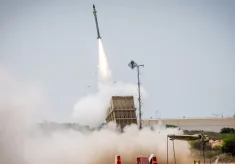
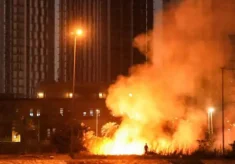
After the bombardments during the Twelve-Day War in June 2025, carried out by Israel and the USA against Iran, the Islamic Republic has been rocked by widespread anti-regime demonstrations since late December. The protests first erupted in Tehran before spreading across the country, fuelled mainly by inflation and the skyrocketing cost of living. The rapid diffusion of the unrest reflects deep-seated economic grievances rather than isolated political mobilisation.
The epicentre of the unrest has been the capital’s Grand Bazaar, where shopkeepers and merchants have rallied to express their anger after the Iranian rial hit a record low, plunging to 1,42 million against the US dollar. Given the Bazaar’s historic role as both an economic and political barometer of regime stability, its involvement is particularly significant.
Exacerbated by crippling sanctions imposed by the US under the maximum-pressure policy adopted by President Donald J. Trump, the economic crisis has visibly alienated wide segments of the powerful merchant class. Unable to profit from the import of goods and services, many have turned against the authorities, resorting to violent repression. While Supreme Leader Ayatollah Ali Khamenei has vowed to crack down hard on demonstrators, President Masoud Pezeshkian has urged security forces to exercise restraint, although condemning agitators and foreign agents. These nuances underscore persistent political tensions within the Islamic Republic’s dual power structure.
The multilayered nature of the Islamic Republic, which has so far benefited from nationalism following Israeli and US attacks, highlights the ongoing power struggle between variable alliances involving Pasdarans (IRGC), sectors of the armed forces, bureaucrats, foundations, business, clerics and powerful families. The regime has weathered several storms in the past, most notably in 2022, when the Women, Life, Freedom movement challenged its survival. However, growing pressure on both the domestic and international fronts may finally prove to be the straw that breaks the camel’s back.
Against the backdrop of the sudden removal from power of Venezuelan President Nicolás Maduro, captured by US forces on the 3rd of January 2026 in what has been qualified as a law-enforcement operation, Trump’s warnings to the Islamic Republic were clearly perceived in Tehran. The episode has reinforced perceptions that Washington is willing to employ force when it deems its interests at stake.
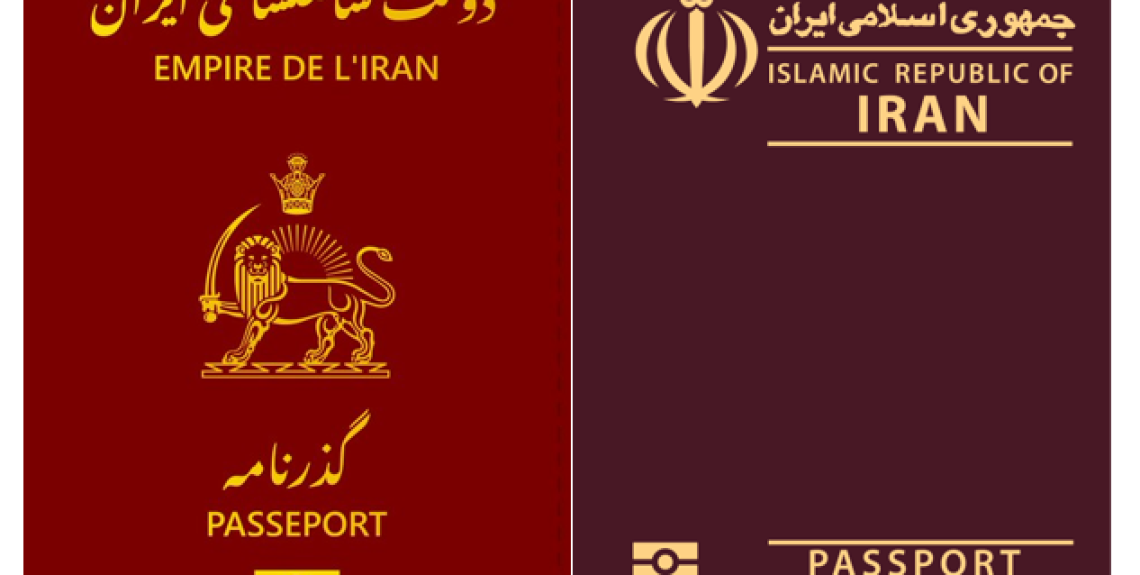
Until now the Venezuela has case shown that regime modification is preferred over regime change. Iran has a different ideology and power structure, which may suggest the return of emigré political figures, like Crown Prince Reza Pahlavi, whose name has been also used in the demonstrations. The Pahlavi dynasty was a staunch ally of the West prior to the 1979 Revolution. That said, a chaotic collapse of the Islamic republic of Iran would be a serious problem and the return of a possible constitutional monarchy an unknown.