
In a region destabilised by the military confrontation between Israel, the United States and Iran, the UAE’s decision to withdraw from the Organisation of the Petroleum Exporting Countries (OPEC) represents a historic watershed. Announced on the 28th of April 2026, just before a consultative meeting of the Gulf Cooperation Council (GCC) in Riyadh, the withdrawal took effect on 1 May. Critically, this exit extends to the broader OPEC+, severing Abu Dhabi’s decade-long coordination with non-OPEC actors such as Russia.
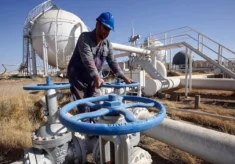
By walking away, Abu Dhabi effectively deprives the oil cartel of its third-largest producer. Prior to the regional escalation, the UAE contributed approximately 3,4 to 3,6 million barrels per day (b/d), roughly 12% of OPEC’s internal output. For years, Abu Dhabi has chafed under strict production quotas negotiated in Vienna, which artificially capped returns on a massive US$150 billion domestic energy expansion programme.
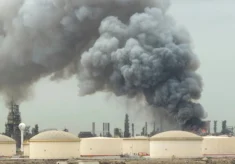
Unconstrained by cartel discipline, the UAE intends to aggressively monetise its resources, targeting a production capacity of 5 million b/d by 2027. While Energy Minister Suhail al-Mazrouei framed the exit as a strictly commercial and sovereign policy decision, rather than one driven by political considerations, the strategic timing is undeniable. With the Strait of Hormuz facing severe operational disruptions, the short-term market impact of the UAE’s withdrawal from OPEC is likely to remain limited, cushioned by physical shipping constraints.
Nevertheless, the implications of the move are quite significant. From a broader perspective, the withdrawal, alongside rumours that the UAE may reconsider its role in other regional organisations such as the GCC, speaks volumes about the ailing state of multilateralism. In the UAE’s specific case, these groupings have proven unable to rise to contemporary challenges or provide a unified security umbrella against asymmetric warfare, forcing Abu Dhabi to pursue a highly individualised and transactional foreign policy.
On closer inspection, however, the UAE’s decision to go its own way represents the culmination of an escalating, multi-front systemic competition with Saudi Arabia, which leads the oil cartel. The economic and political interests of the two Gulf powers are now openly diverging across several theatres. The rivalry emerged into the open in Yemen last December, but now extends to a wide range of issues, from the ongoing civil war in Sudan to the differing postures adopted towards Iran.
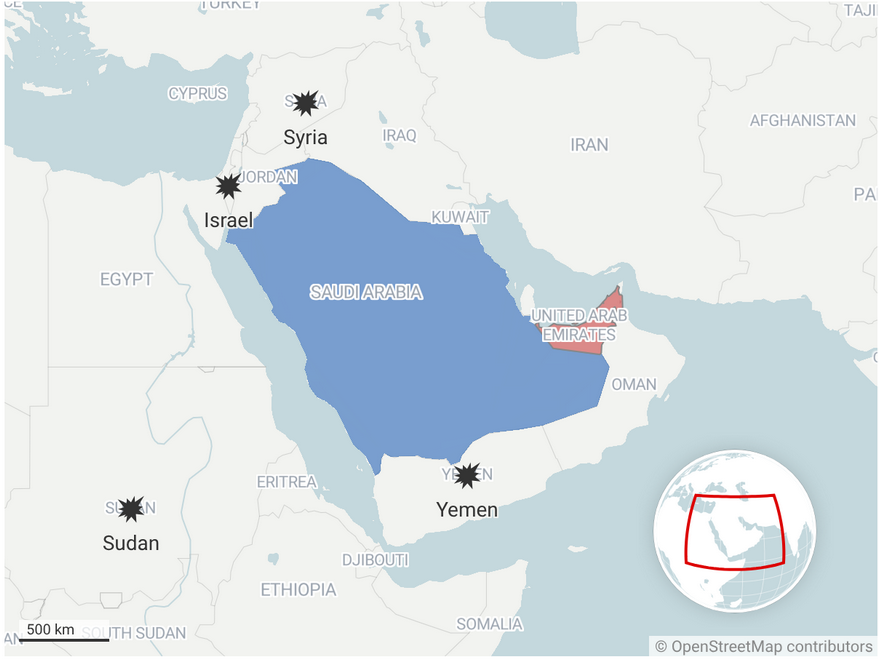
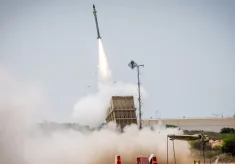
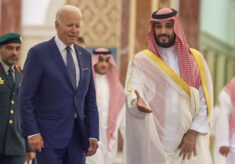
In this context, while Saudi Crown Prince Mohammed bin Salman al-Saud favours defensive de-escalation and diplomatic mediation, alongside regional powers such as Egypt, Pakistan and Türkiye, President Mohammed bin Zayed al-Nahyan has adopted a more assertive and muscular approach in response to Iranian threats. Abu Dhabi’s security calculus is increasingly aligned with a proactive defensive partnership with Israel and the US aimed at neutralising Iranian ballistic and drone threats.
The decoupling of Saudi Arabia and the UAE contributes to an increasingly fragmented regional order, still searching for a tentative reconfiguration in times of crisis. The potential ramifications of this growing divide could destabilise NATO’s Southern Neighbourhood, hollowing out regional organisations such as the GCC, especially if the Emiratis’ threat to leave materialises. Such an eventuality would induce the North Atlantic Alliance to a substantial reassessment of its next engagements.
For now, with the two regional powerhouses at odds, OPEC has become merely the latest casualty. Weakened by the UAE’s departure, the diminished oil cartel also faces structural challenges stemming from the energy transition, which will undoubtedly be accelerated by the Gulf war. As oil prices reach record highs, the UAE may have seized a finite window of opportunity to maximise revenues and strengthen its economy. This capital injection will directly fund Abu Dhabi’s aggressive pivot towards artificial intelligence, defence technology and global supply chain infrastructure, while simultaneously dealing a blow to a cumbersome neighbour.