“The spirit of our endeavour is, To strive, to seek, to find and not to yield”

Alessandro Minuto-Rizzo, President

China and the Hormuz crisis

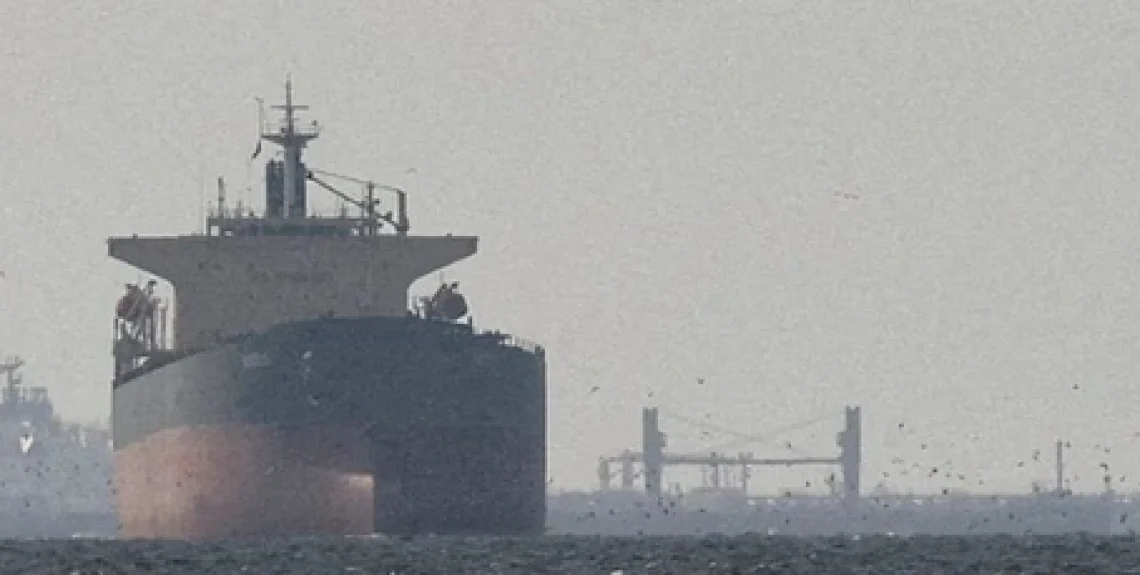
Source: StratNews Global.
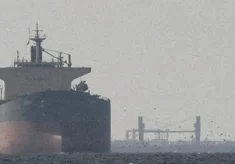
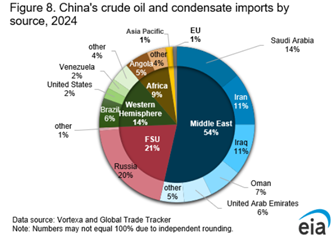
China consumes roughly 15% of global daily oil demand, but produces only about 5%, leaving its economy heavily reliant on imports. Driven largely by a manufacturing sector that accounts for at least 55% of national energy use, the country’s growth is closely tied to secure energy supplies. In this context, the Strait of Hormuz, together with the even more important Strait of Malacca, handles more than half of China’s total oil imports. Although China’s strategic reserves could last for around seven months, any disruption to supplies from Iran is forcing Beijing to seek alternative sources.
Following the closure of the Strait of Hormuz, the Chinese government imposed a total ban on fuel exports and intervened twice to halt fuel price increases, aiming at preserving social stability and counter an economic slowdown. At the same time, Beijing has long encouraged consumers to purchase electric vehicles through subsidies that have made them more affordable than petrol or diesel alternatives.
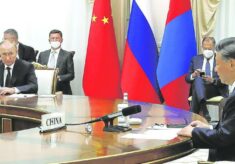
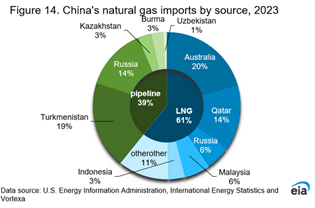
So far, these measures have helped sustain public confidence, as living standards for most Chinese workers have not experienced significant changes. However, in anticipation of a worst-case scenario, involving a prolonged disruption in the Strait of Hormuz, China has been developing a long-term strategy centred on closer energy cooperation with Russia and Central Asian states.
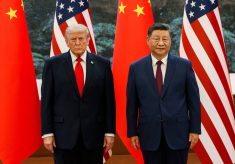
Although Chinese foreign policy avoids direct involvement in armed conflicts, indirect support remains a common practice, as shown by Xi Jinping’s assistance to Putin in the Russia–Ukraine war. Similarly, there are indications that Iran may have used Chinese satellite technology to strike US bases in the Middle East, although Donald Trump was quick to deny such claims. This may suggest that the US president is unwilling to jeopardize relations with China. For his part, President Xi Jinping has also refrained from escalating tensions and remains open to hosting Trump in China for a state visit, an opportunity that could also help the US president in bolstering his public image ahead of the midterm elections. This dynamic highlights how, in the current climate of uncertainty, Beijing is carefully weighing the balance between energy insecurity and its relationship with the United States.
At the same time, cooperation with the United States over the Strait of Hormuz crisis represents for China a mixed bag of outcomes. On the one hand, Beijing’s conciliatory stance towards Washington risks being perceived as a breach of its comprehensive strategic partnership with Iran, originally designed to circumvent US sanctions. On the other, Xi’s cooperation with Trump to bring the conflict in Iran to an end could significantly strengthen China’s position as a global superpower, an objective central to his vision of the “great rejuvenation” of the Chinese nation. It is therefore likely that China will attempt to pursue both approaches in a carefully calibrated balance.

Share on

Subscribe to our newsletter

Newsletter