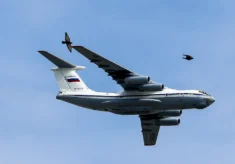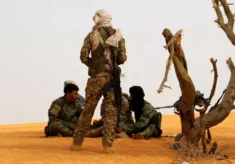
The protracted civil war in Libya has so far offered ample opportunities to foreign meddlers willing to establish a military presence in North Africa to expand their influence or project power. The fighting in 2019–2020 shed light on the conspicuous presence of Russian mercenaries from the Wagner Group, now redubbed Africa Corps (Afrikansky Korpus) after the death of its founder and leader, Yevgeny Prigozhin, in 2023. Recent estimates put the total number of Russian operatives in Libya at up to 2.000, mainly present in and around air and military bases in the east and south of the country, from where they back the forces led by Gen. Khalifa Haftar and his sons, now appointed to the top leadership of the Libyan National Army (LNA).
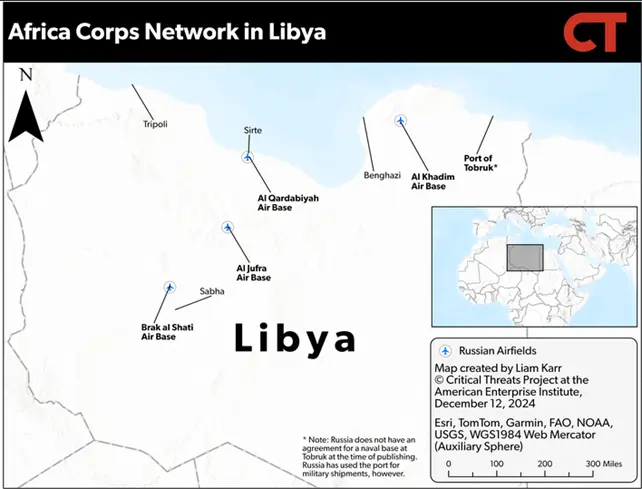
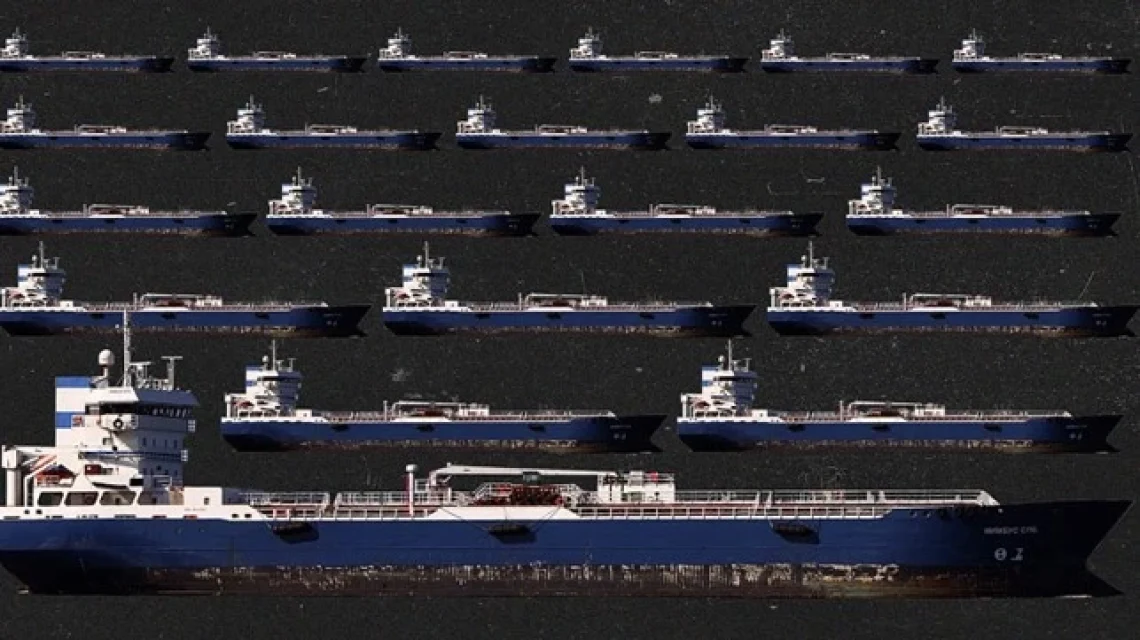
Far less well known until now has been the presence of Ukrainian forces, which, according to recent reports, number around 200 and are mainly located in western Libya, still under the uncertain rule of the internationally recognised Government of National Unity (GNU). According to an agreement with GNU Prime Minister Abdul Hamid Dbeibah, they have been present in Misrata, Tripoli and Zawiya, from where they have been able to launch air and sea drones targeting the so-called shadow fleet of Russia, a vital instrument for Moscow’s beleaguered economy to evade sanctions imposed after the invasion of Ukraine in 2022. An attack in early March seriously damaged the Arctic Metagaz, a sanctioned vessel carrying liquefied natural gas (LNG).
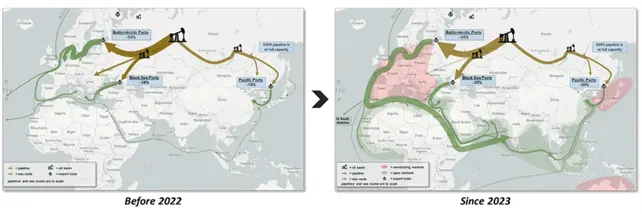
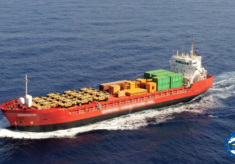
Left dangerously adrift in the Mediterranean Sea, where it poses an environmental and security risk, the gas tanker has reportedly been hit by a Ukrainian unmanned surface vehicle (USV), most likely a Magura V5, while en route from Murmansk, Russia, to Port Said, Egypt. Authorities in Moscow have been quick to blame Kyiv (which has yet to comment on the attack), accusing Ukrainian forces of launching the sea drone from the Libyan coast. If confirmed, it would not be the first incident of this kind: in December 2025, another Russian oil tanker sailing off the coast of Libya, the Qendil, was reportedly hit by a Ukrainian air drone in an unprecedented operation hailed as a success by Kyiv.
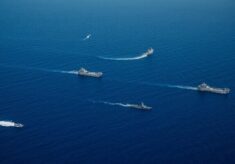
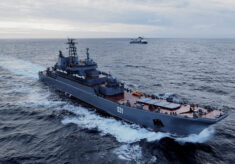
The strategic implications of these incidents are noteworthy. So far limited to the Black Sea theatre (where the Russian navy has suffered frequent blows at the hands of Kyiv’s forces), Ukrainian air and sea drones are now targeting the shadow fleet in open seas, bypassing traditional geographical constraints. They are extending their area of operations not only to the Mediterranean Sea but also to the Atlantic Ocean: the damage to the Mersin oil tanker (linked to the Russian shadow fleet) off the coast of Senegal in November 2025 also bears Ukraine’s hallmarks. As the tempo of the attacks increases, the risk of a direct confrontation between Kyiv and Moscow on the African continent becomes real.