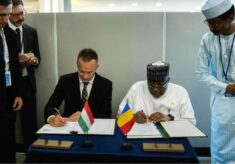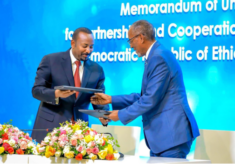
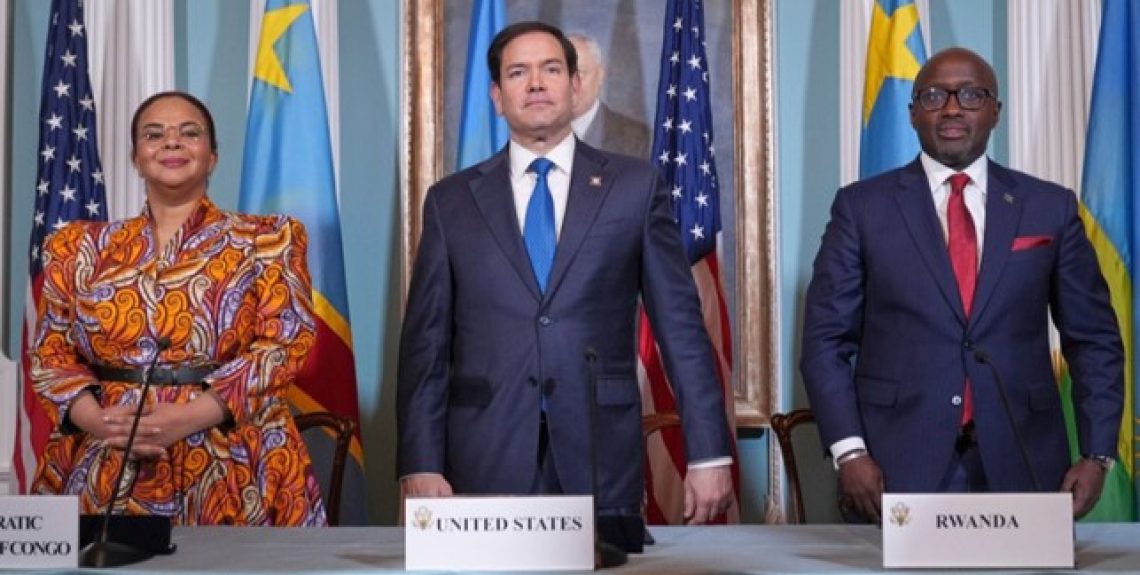
The US-brokered peace deal between Rwanda and the Democratic Republic of the Congo (DRC), signed on the 27th of June, exemplifies a growing trend of “peace-for-resources” diplomacy (Source).
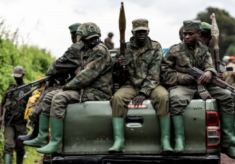
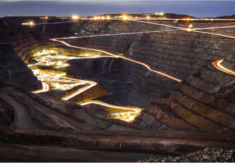
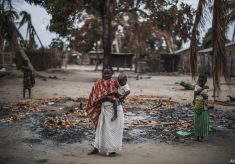
While this provisional agreement aims at ending hostilities, it also explicitly links to American strategic interests in the DRC’s vast mineral wealth (including cobalt, coltan and lithium), all critical for global tech and green transitions. Alongside ethnic tensions and cross-border interference, mineral riches have fuelled the conflict in eastern DRC with the heavy involvement of M23 (a Tutsi militia recently supported by Kigali and Kampala). While presenting itself as a guarantor of peace, the USA seeks privileged access to these minerals to secure supply chains and counter other powers’ dominance in Africa. The deal includes provisions on disarmament, the integration of non-state armed groups, and the return of refugees and displaced persons in eastern DRC.
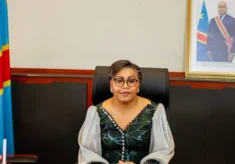
Since coming to power in 2019, President Félix Tshisekedi has shown openness to closer ties with Israel, including support for Israel’s observer status in the African Union (which Tel Aviv lost in 2025) and cooperation on security. Israeli businessman Dan Gertler has played a major role in the Congolese mining sector, maintaining close ties with political elites and controlling extensive mining concessions. Sanctioned by the USA in 2017 for allegedly opaque and corrupt mining deals that caused major losses to the Congolese state, Gertler saw these sanctions quietly eased by the Trump administration in 2021. Consequently, the United States places considerable trust in Tshisekedi.