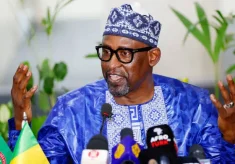
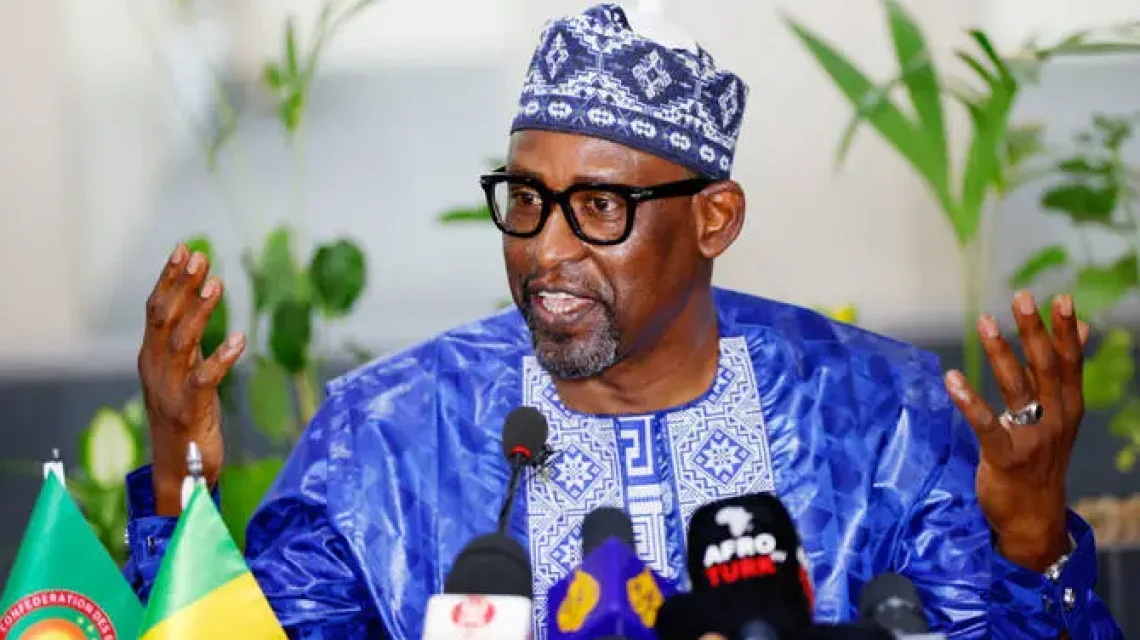
In the latest turn of events, set to complicate geopolitical calculations in the Maghreb, Mali has announced its backing for the Moroccan autonomy plan for Western Sahara. The announcement by Malian Foreign Minister, Abdoulaye Diop, during the official visit of his Moroccan counterpart Nasser Bourita on April 10, is just the latest endorsement of Morocco’s sovereignty over the territory disputed with the Polisario Front, which fought for independence from 1973 to 1991, and again following the collapse of the ceasefire in 2020. Diop also announced that Bamako would no longer recognise the Sahrawi Arab Democratic Republic, the government-in-exile based in Tindouf, Algeria, which receives significant backing from its northern neighbour.
The move has significant implications for Rabat, which secures another important diplomatic success, further consolidating its position following United Nations Security Council Resolution 2797 (2025), which explicitly mentions the 2007 autonomy plan as a basis for conflict resolution. As the Security Council reviews the status of the Mission des Nations Unies pour le Référendum au Sahara Occidental (MINURSO) later this month, Rabat’s strong preference for bilateral agreements is increasingly becoming the de facto driver of the process, shifting the burden of conflict resolution away from traditional multilateralism. The precedent set by the United States administration in 2020 has indeed been followed by many countries, both in the West and the Global South.
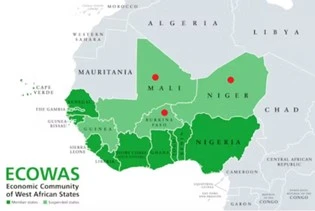
Unlike earlier expressions of support from Ghana and Kenya, however, the decision of the military rulers in Bamako carries significant weight, as it directly shifts the balance of power in West Africa in favour of Morocco and against Algeria. Relations between Algiers and Bamako have progressively deteriorated following the 2021 coup d’état that brought General Assimi Goïta to power, at the head of a military junta which, in 2024, denounced the Algiers Accord of 2015 between the central government and northern separatists. Since then, Algeria has steadily lost ground across the region, also due to the spread of a local form of “sovereignism” in the Sahel, actively supported by Russia.
The downing last year of a Malian drone in Tinzaouaten, along the Algerian Malian border, further escalated tensions, likely convincing Bamako that it was time to join its partners in the Moscow-backed Alliance des États du Sahel (AES) in recognising Morocco’s sovereignty over Western Sahara. In this context, Rabat has certainly facilitated the diplomatic shift by offering incentives to landlocked Sahelian countries through the Atlantic Initiative – an economic corridor providing sea access via Moroccan ports, including those located in Western Sahara. Coupled with other investments, including an ambitious gas pipeline project, the initiative must have appeared particularly attractive to West African states seeking to remove barriers to trade.