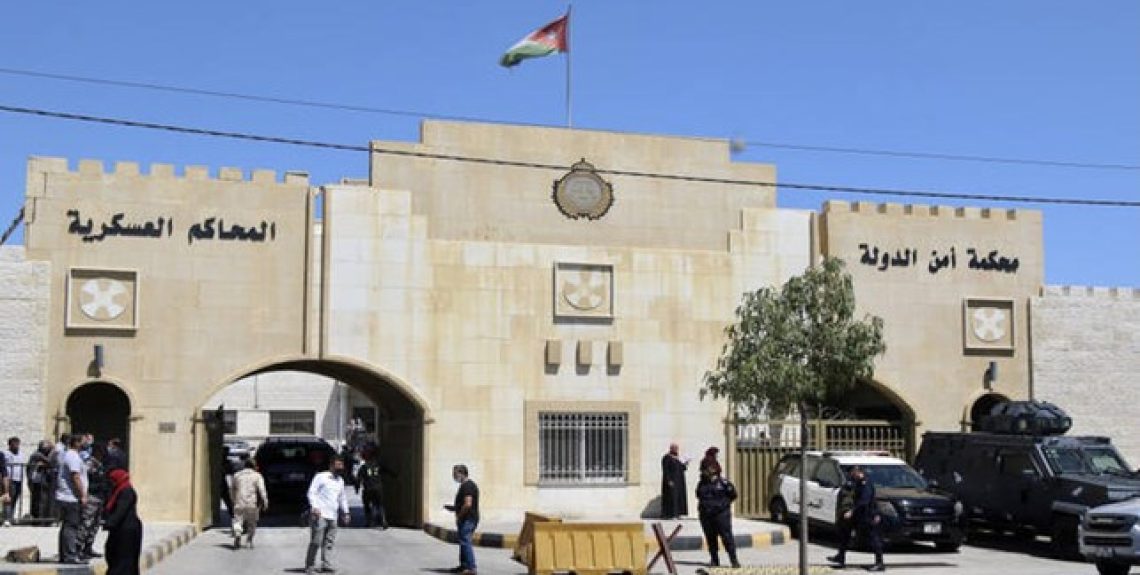
The 29th of September the Public Prosecutor’s Office received files from the State Security Court concerning the Muslim Brotherhood’s fundraising activities and dossiers of 10 accused, already in custody and two still under investigation. The suspects are charged of illegal fundraising for outlawed political organisations, also under the pretext of helping Gaza’s victims. Apparently, in the last eight years the MB collected approximately 30 million Jordanian dinars ($42 million)
In fact, on 23rd April 2025, Jordanian Interior Minister, Mazen Al-Faraya, announced the ban on the Muslim Brotherhood’s (i.e., MB) activities in the country, declaring it an illegal association and later arrested some senior members of the related Islamic Action Front, the largest political group in parliament after the elections in September 2024; it is MB’s political arm in the country.
This decision represents a watershed moment for the politics of the Kingdom. The MB is Jordan’s oldest and largest Islamist organization. In 2024 during the Jordanian general election MB saw their best results ever, winning 31 seats and becoming the single largest political party in the country. Nevertheless, it failed to form a government as the king refused to appoint its leader, Murad al-Adaileh as Prime Minister, instead appointing the independent Jafar Hassan.
On the 23rd of June 2025, Jordanian authorities arrested Murad Al-Adaileh, and other 15 members, were all suspected of preparing terrorist operations on Jordanian soil. Furthermore, under Article 17 of the Jordanian Cybercrime Law, anyone who publishes content related to the Muslim Brotherhood on websites is expected to be sentenced from one to three years in prison.
The banning of the Muslim Brotherhood shows the impact of regional dynamics on the domestic politics of a Kingdom, particularly sensitive to the issue of regional stability. The timing of the Jordanian decision suggests a readjustment of its strategic posture in the region and a posture closer to the Gulf monarchies and Egypt regarding the MB.
For the Jordanian government, the war on Gaza remains a source of instability. In fact, Jordan with a population of 11 million people, whose more than 50% are of Palestinian origin and many refugees from past regional conflicts, has reinforced the perception of the MB as a national security threat. Jordan has heightened domestic pressures on the Muslim Brotherhood’s ideological, historical and the alleged financial and operational ties to Hamas, itself an offshoot of the MB.
Jordan must meet significant challenges such as high unemployment and economic inequality. In addition, the country faces great hurdles in agricultural development due to the scarcity of water, with a cultivable area covering less than 12,5% of its territory. On the 23rd of September, the Jordanian Ministry of Industry and Trade bought 120.000 tons of milling wheat as part of its ongoing efforts to bolster national food security and avoid possible spontaneous uprising against the increase in commodities’ prices.
By Simone Nella – Strategic Analyst on Middle East, North Africa, Pakistan region and Arabist lecturer.