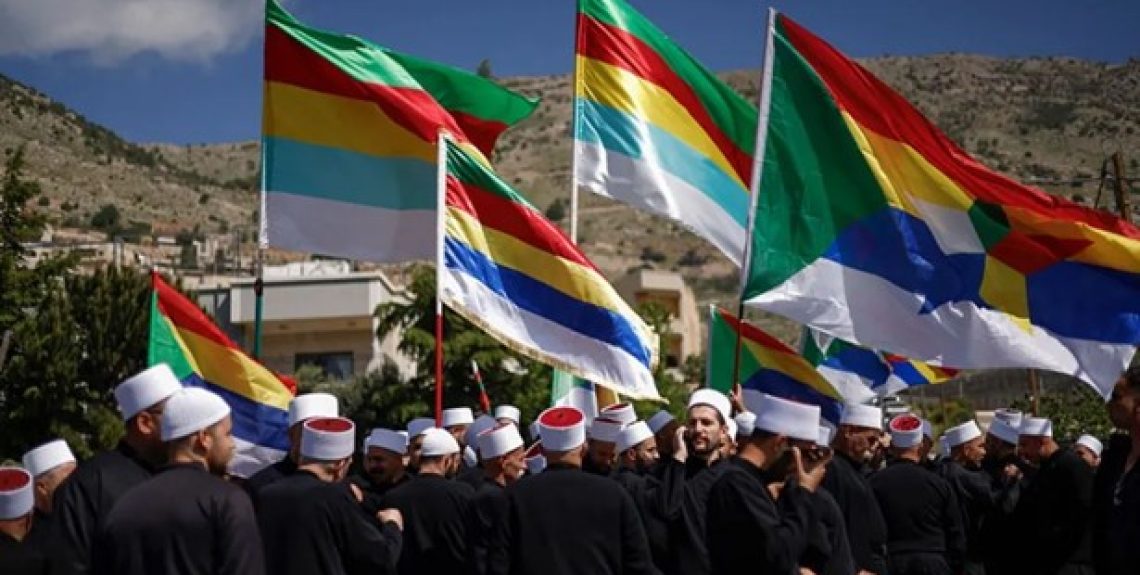
Since the 11th of July, Syria witnessed again a spiral of violence. Clashes erupted between Druze and Bedouin clans in the southern province of Sweida. Although reports on the matter remain uncertain, it appears that the event that triggered the violence was the attack or kidnapping of a Druze merchant by Bedouin gunmen, that led to a series of retaliatory kidnappings, then escalated into conflict.
While the Bedouins are part of the country’s Sunni majority, the Druze are an ethno-religious* minority (but majority in Sweida), mainly present in Syria (700.000), Lebanon (250.000), Israel (120.000) and Jordan (20.000), and remained largely neutral during the Syrian civil war (2011-2024). Tensions between the two groups are historical, stemming from disputes over grazing rights and land issues. This time, however, they are part of the endemic violence of post-Assad Syria.
On 13 July, government forces were deployed to the area to enforce a ceasefire. In contrast, many Druze perceived this move as siding with the Bedouins. Two days later, the situation became increasingly complex. Affirming its duty to protect the Druze, Israel intervened first by striking government tanks in Sweida and then by bombing the presidential palace, the Defence ministry, and the Army command in Damascus.
This intervention responds to both domestic and regional logics and should be framed in the broader context of regional competition. The Druze are an influential minority in Israel, especially due to their contribution to the Israeli Defence Forces (IDF). At the same time, Israel’s actions are consistent with its so-called “periphery doctrine” to build relationships with non-Arab actors and minority groups, such as the Maronite Christians in Lebanon in the past and the Kurds and Druze** in Syria today. In this context, Israel would like to weaken the Syrian new political entity by dividing it and preventing it from controlling the southern border area.
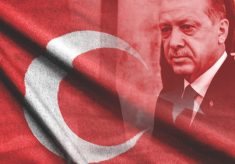
This sparked the Turkish reaction. As one of the main sponsors of the new government and with vital interests in the country, Ankara stated that it will not accept any attempts to fragment Syria or achieve autonomy, threatening direct intervention if necessary.
Looking to the future, the Druze remain divided on the issue of decentralisation and Israeli support. The United States helped mediate the ceasefire and are keen to see a stable Syria at peace with Israel and part of the Abraham Accords. The interim Syrian government has emerged weakened. First, these events, including abuses and summary executions, have demonstrated that it does not yet control the entire territory nor all the armed groups within its coalition. Secondly, and more importantly, its governance model showed significant limits that are increasing mistrust among minorities and could lead to further efforts for autonomy from the Kurds, Druze and Alawites. Such a development would be highly concerning, as it would transform the country into a battleground for regional powers, creating a new area of instability very similar to the situation in Libya.
* The Druze faith, part of the Ismaili Shi’a Islam, is esoteric and closed, highly discouraging marriages outside the group, permitting no conversions to the faith and believing in reincarnation.
** Indeed, the Druze are Arab, but, as highlighted, they represent a minority group with a peculiar identity.