“The spirit of our endeavour is, To strive, to seek, to find and not to yield”


Alessandro Minuto-Rizzo, President

Monthly Journal

August 2025

International Press Review

The most relevant events of the area through international sources

Early presidential elections in the Bosnian Serb entity on 23 November
Reuters
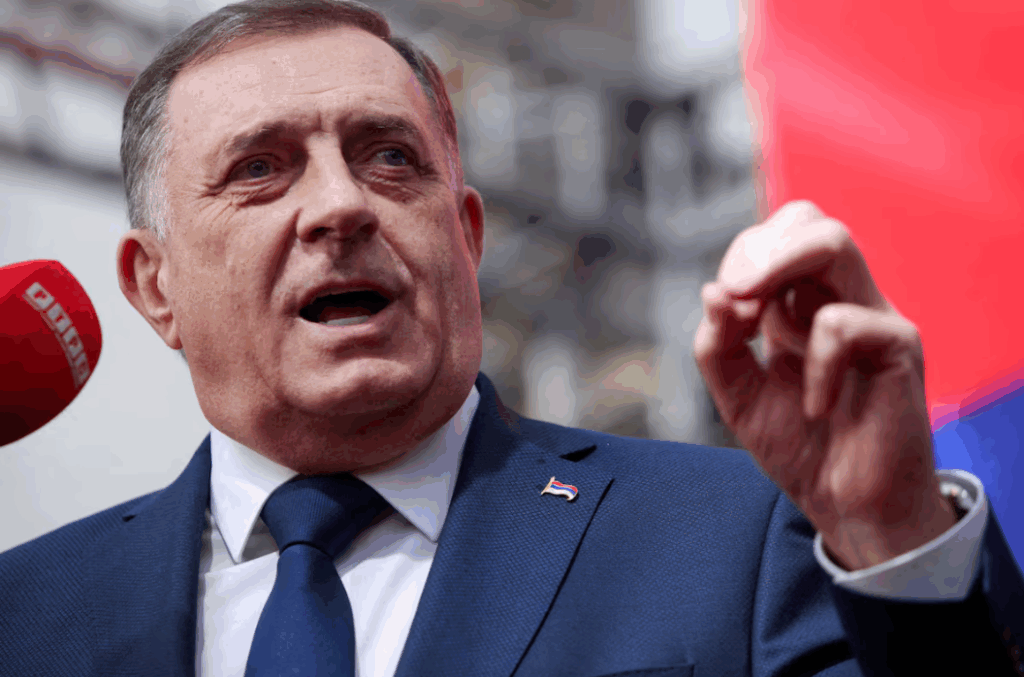
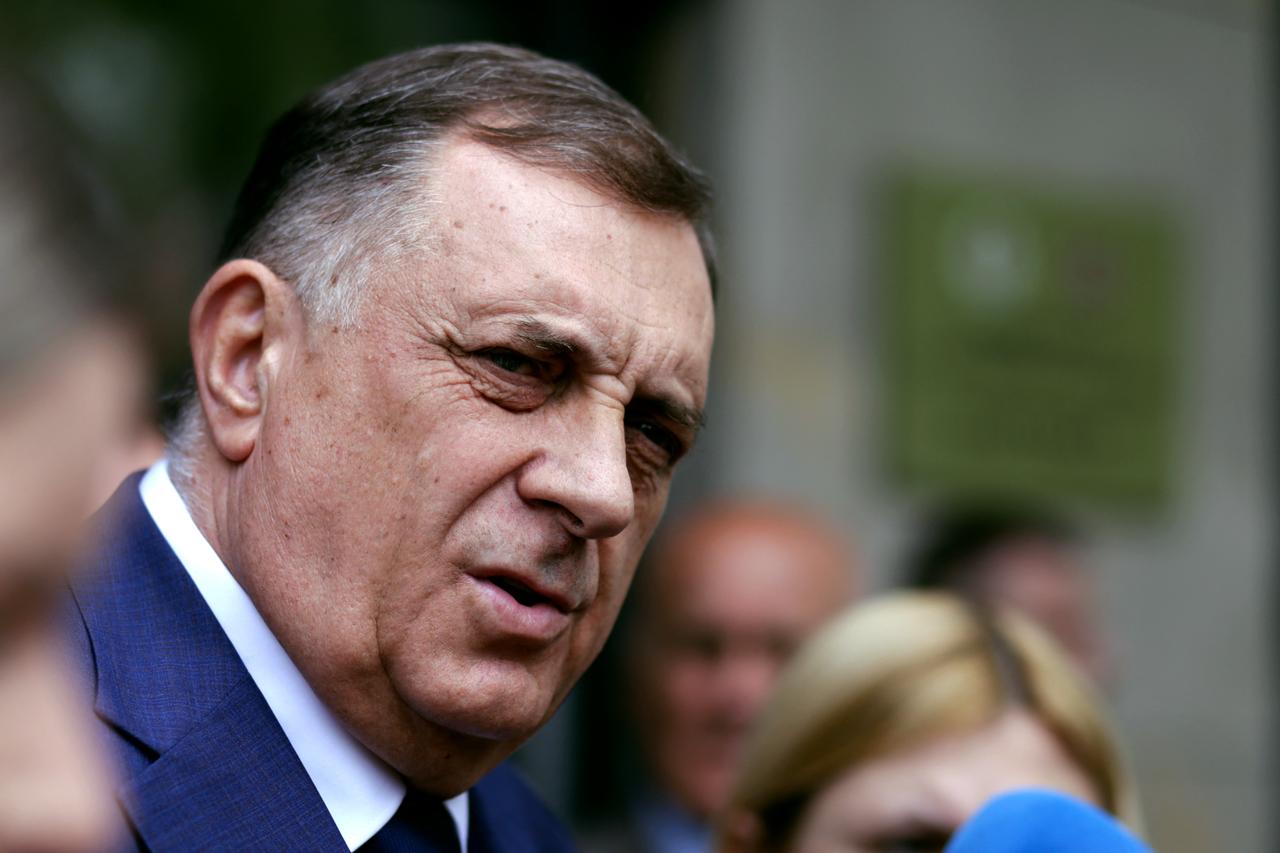
Bosnia’s central election commission set early presidential elections in Republika Srpska (RS), the Bosnian Serb political entity in Bosnia and Herzegovina, for 23 November to elect a new president, despite opposition from Milorad Dodik and the entity’s parliament. Dodik, elected president in 2022, was recently sentenced to one year in jail and banned from politics for six years. Nonetheless, he refused to step down after an appeals court upheld his verdict.
Serbia and Bosnia hardly hit by US tariffs
Balkan Insight
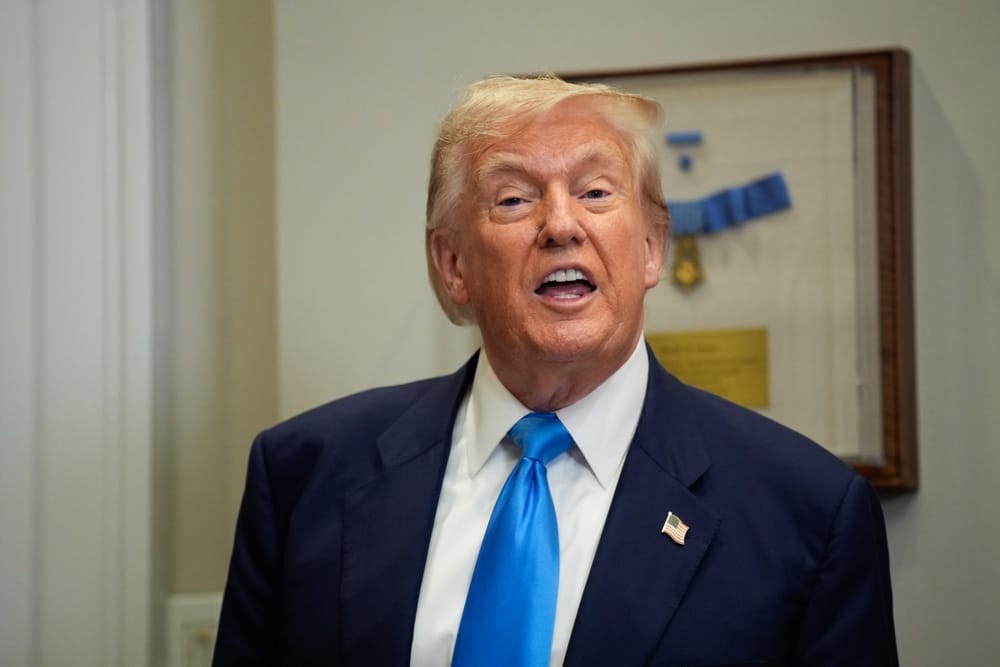
Donald Trump confirmed trade measures that left Serbia and Bosnia and Herzegovina among the hardest hit by US tariffs in the Balkans, after his executive order introduced new duties on multiple countries in August. The United States imposed a 35% tariff on Serbian exports and a 30% tariff on goods from Bosnia and Herzegovina. Meanwhile, Kosovo’s caretaker prime minister, Albin Kurti, announced that Pristina would abolish its 10% tariff on American imports, effectively securing a customs duty waiver.
France’s Macron underlines importance of stability in the Balkans
NIN
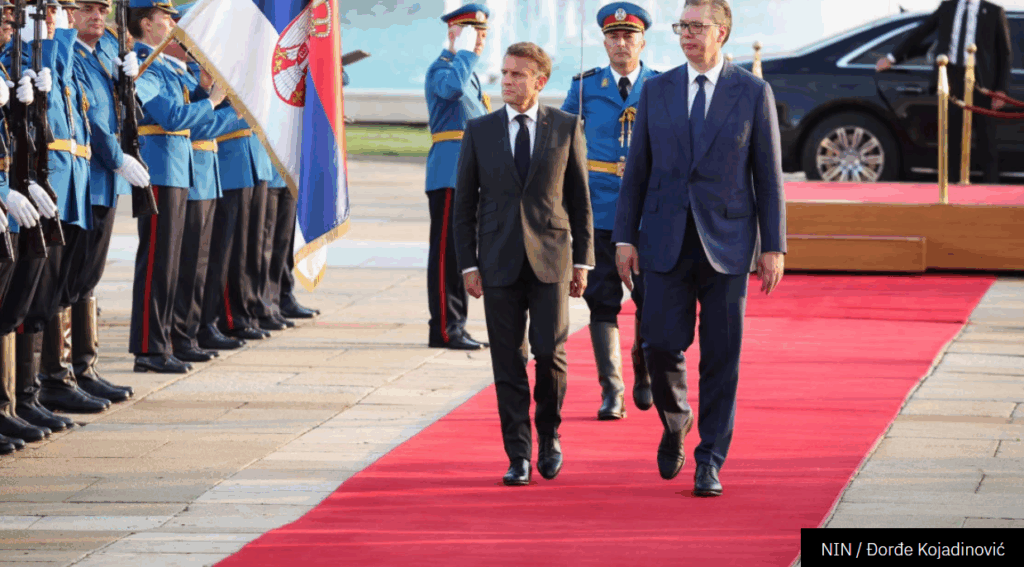
Serbian President Aleksandar Vučić held a telephone conversation with French President Emmanuel Macron in August, focusing on bilateral relations and regional developments in Bosnia and Herzegovina and Kosovo. Macron underlined that Serbia’s European path remained the right direction and stressed the importance of dialogue with Kosovo, as well as respect for sovereignty and the rule of law in Bosnia and Herzegovina. Macron noted that France attached strong importance to the stability, unity and sovereignty of Bosnia and Herzegovina, alongside adherence to democratic standards.
Bosnian Serb PM surprisingly resigns
BNE Intellinews
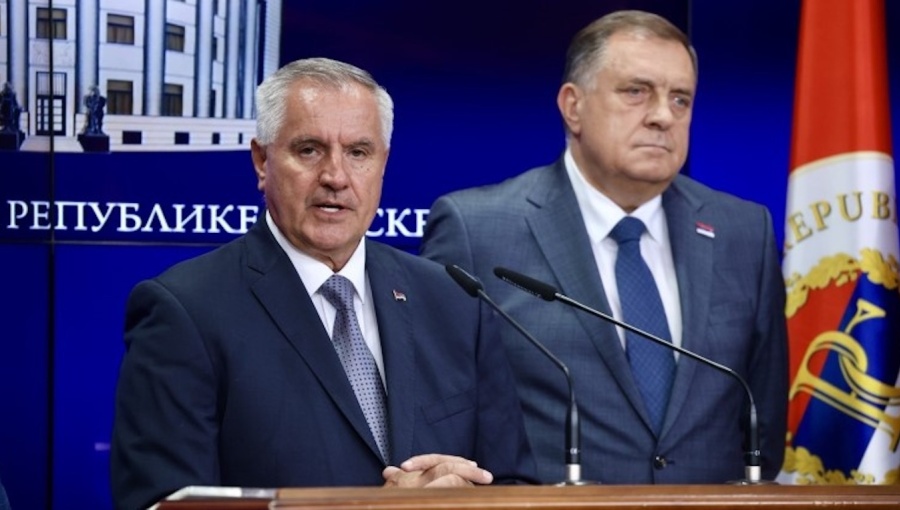
Radovan Visković, prime minister of Bosnia’s Serb entity, Republika Srpska, resigned in August after nearly seven years in office, in a move coordinated with the entity’s leadership ahead of a tense political season marked by a controversial referendum and upcoming presidential elections. His resignation came after arrest warrants were issued in March against him and other officials accused of undermining the constitutional order. Bosnian Serb president Milorad Dodik thanked Visković and announced consultations on forming a new government, despite having been formally removed from office by the national electoral commission and lacking, at least in theory, the constitutional authority to conduct such consultations.
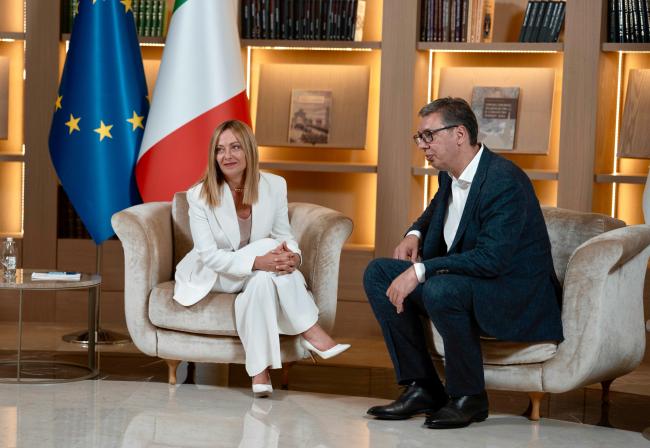
Source: governo.it
Italian PM Meloni met Vucic in Belgrade
ANSA
Italian Prime Minister Giorgia Meloni met Serbian President Aleksandar Vucic in Belgrade, where she reaffirmed Italy’s full backing for Serbia’s EU membership path and the reforms linked to it. The talks focused on strengthening bilateral ties and cooperation in key areas. They also addressed international and regional issues, including the war in Ukraine and the Western Balkans, with both leaders stressing support for stability and the EU-facilitated Belgrade–Pristina dialogue. The visit took place during an escalation of the street protests in the Balkan country.
Serbia asks for removal of EU rapporteur
Yahoo News
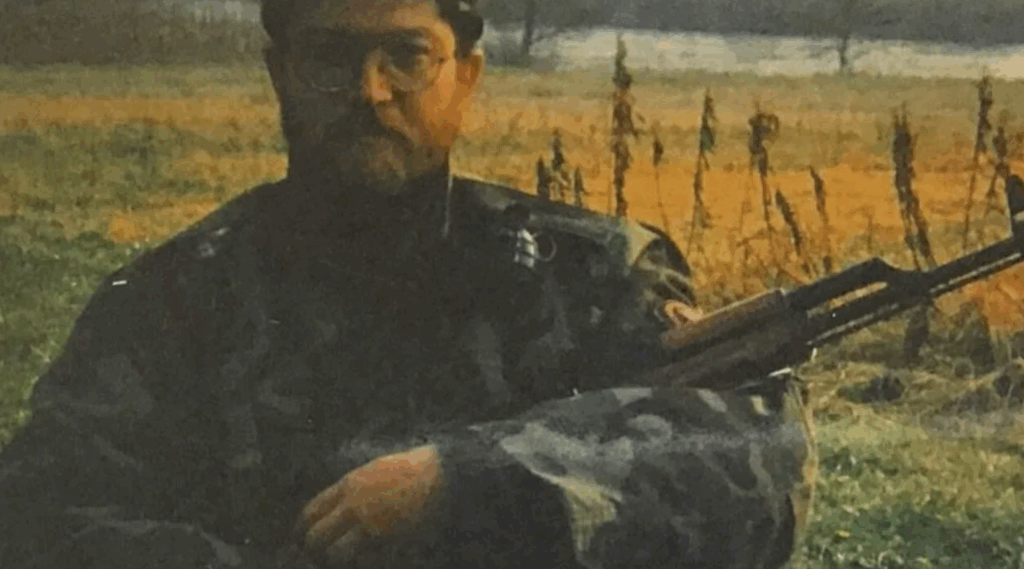
A social media post by the Croatian MEP Tonino Picula, the European Parliament’s rapporteur for Serbia, caused uproar after he marked the 30th anniversary of Croatia’s Operation Storm by sharing a photo of himself in uniform holding a Kalashnikov. Picula, from Croatia’s centre-left SDP, said his service in the Croatian army was always public knowledge and denied bias. Serbian media, authorities in power and opposition leaders reacted strongly, with SSP chief Dragan Djilas arguing Picula compromised his role.
Kosovo opens new controversial bridge in divided Mitrovica
Balkan Insight
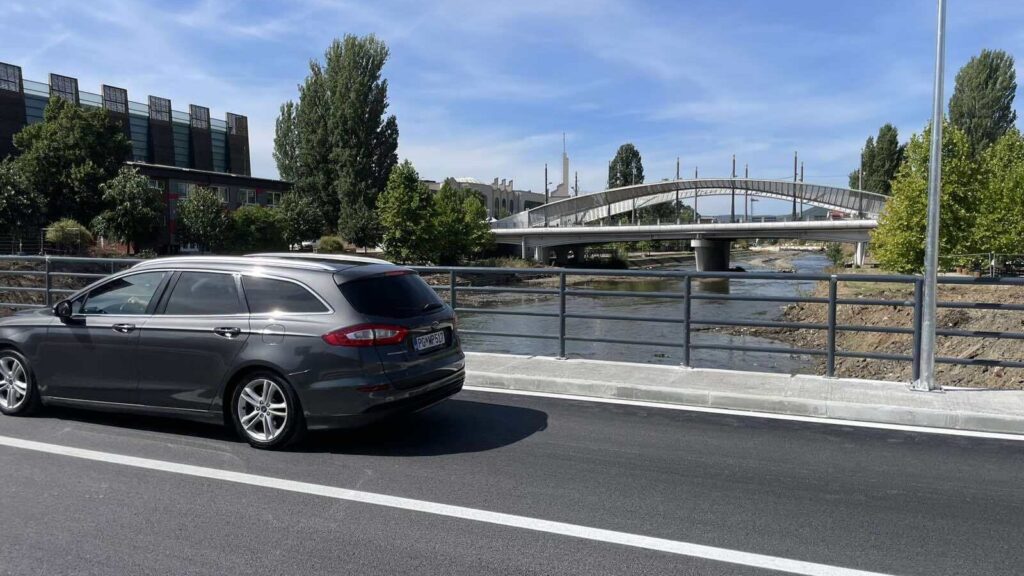
Kosovo’s Acting Prime Minister Albin Kurti announced the opening of a new bridge for vehicles in Mitrovica and said another pedestrian crossing would be finished by autumn. Kosovo Serbs and Belgrade considered the move a security risk, fearing it could encourage ethnic Albanian settlement in the Serb-majority north, while Western allies warned that unilateral steps might raise tensions. The EU reminded Pristina that all bridge-related agreements in the Belgrade–Pristina dialogue must be respected.
Croatia, Albania and Kosovo towards joint procurement of weapons
Kossev
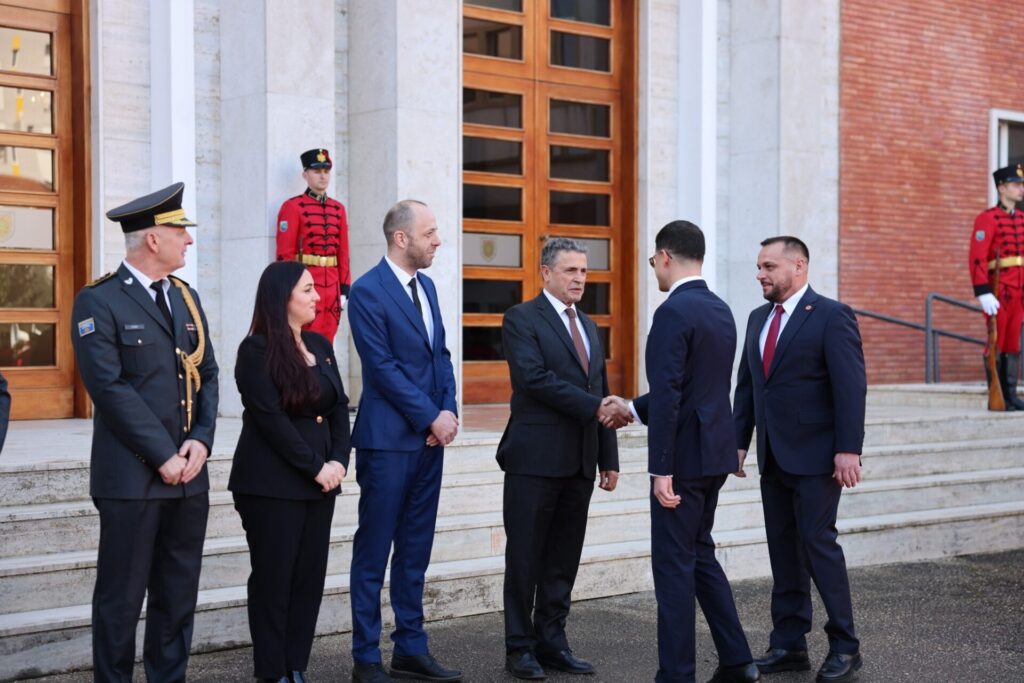
Kosovo, Albania and Croatia allegedly moved forward with their defence cooperation agreed in March, when their ministers signed a joint declaration in Tirana. Defence ministries in Pristina and Tirana confirmed that expert groups worked on the implementation plan, with an operational meeting held in July in Tirana. Albania’s ministry said the guide would be presented for approval in September. The first obligation in the declaration was the joint purchase of weapons, mostly US-made.
Vucic excludes the introduction of the state of emergency
Newsmax Balkans
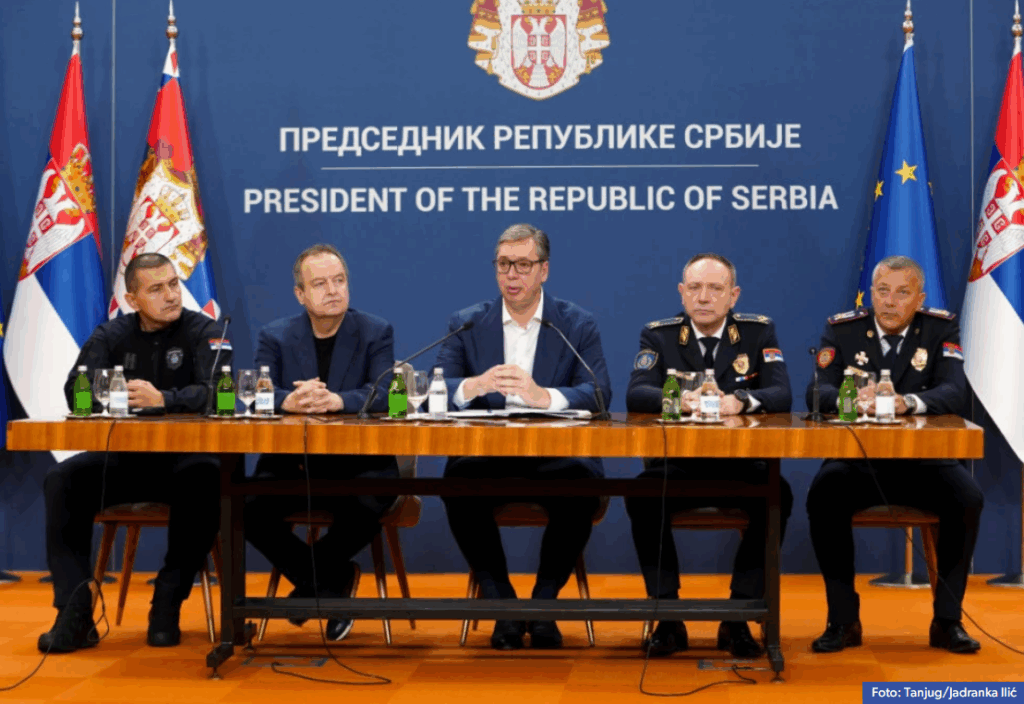
Serbian President Aleksandar Vucic said a state of emergency was not being considered, describing it as a last resort, even though the scale of protests is increasing in the country. Asked by a journalist if such a measure was possible, he explained that the procedure required approval from both the president and the prime minister and a vote in the National Assembly.  Vucic added that Serbia already had sufficient legal instruments to respond to the situation without resorting to extraordinary steps.
EU asks for de-escalation in Serbia
BETA
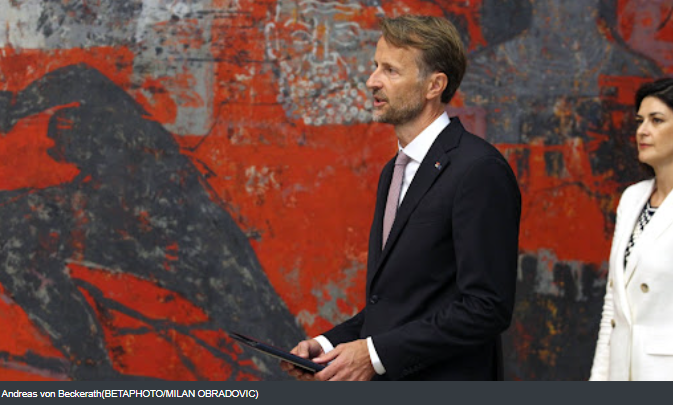
EU Ambassador Andreas von Beckerath, the EU Chief of the Delegation in Belgrade, met Serbian parliament speaker Ana Brnabic and Quint representatives on 18 August, condemning violence against political opponents, police brutality and attacks on journalists. He urged all sides to respect fundamental rights, avoid inflammatory rhetoric and de-escalate tensions. Von Beckerath stressed that police action must remain proportionate, and abuses investigated, adding that Serbia’s EU path offered solutions through reforms in rule of law, media and elections.
Serbian PM calls for dialogue
BNE Intellinews
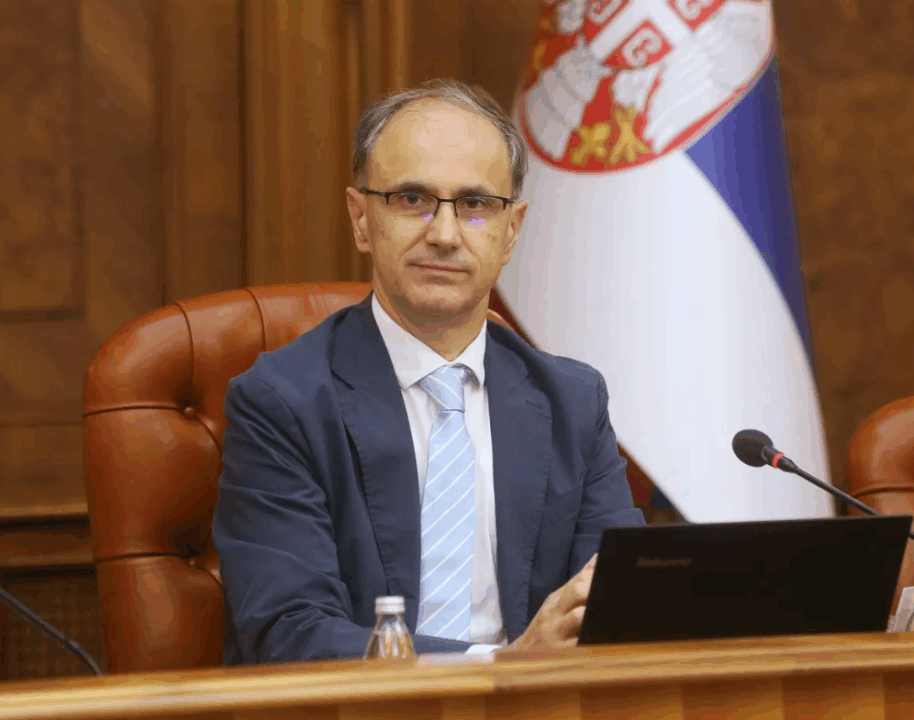
Serbian Prime Minister Djuro Macut condemned the violence registered at protests in several Serbian cities in August, warning that problems could only be solved through dialogue and respect for the law. Macut rejected all forms of violence and undemocratic behaviour, calling on political actors and citizens to ease tensions with patience and mutual respect. Macut said the authorities would act within the law to guarantee security and that decisions on Serbia’s future must be taken by institutions and at elections.

The Insight Angle

Insight angle

Adnan Huskic

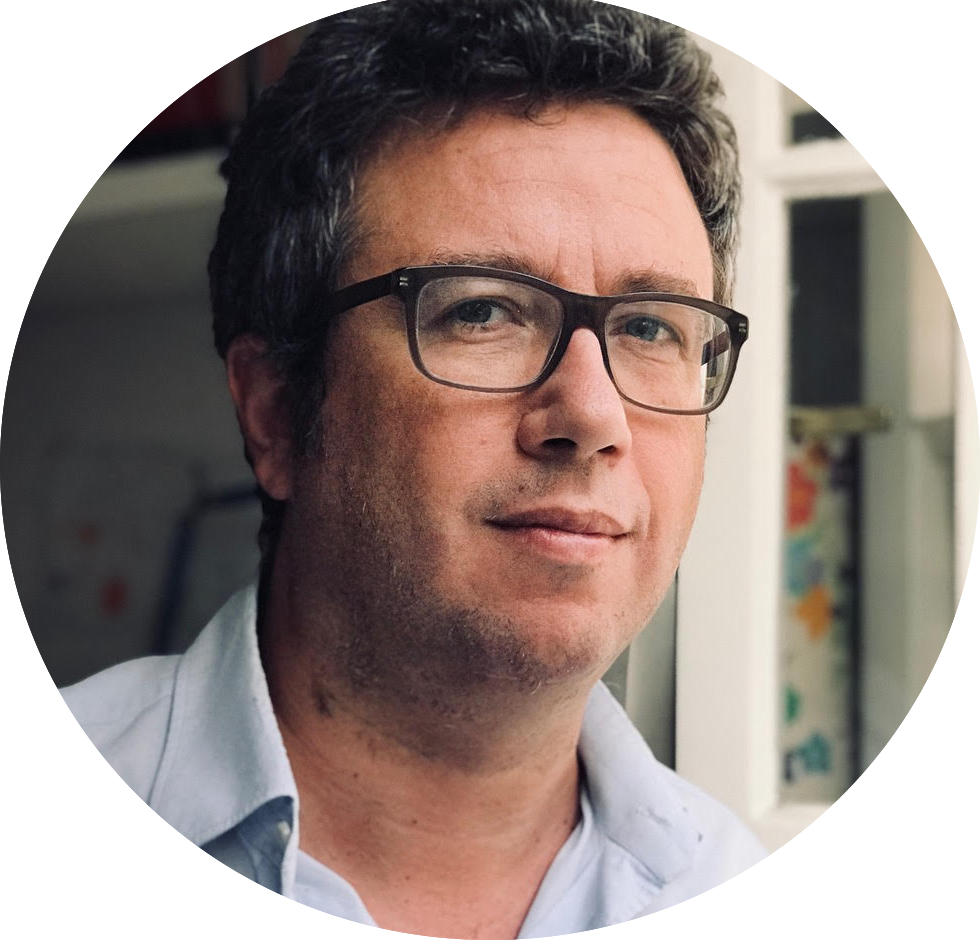
Adnan Huskic is a Political and Security Analyst and commentator, Christian Schwarz Schilling Professor at Sarajevo School of Science and Technology, Project Manager of Friedrich Naumann Foundation in BiH and member of the expert pool of the European Center of Excellence for Defence Against Hybrid Threats (Hybrid CoE).

Bosnia and Herzegovina was once again jolted this month by the confirmation of the verdict against Bosnian Serb leader Milorad Dodik, who defiantly refuses to step aside and has even threatened a referendum on his position as President of Republika Srpska (RS). How do you read the weight of this final judgement, especially the six-year ban on Dodik from political office? Is this the beginning of the end of Dodik’s grip on power and a step toward resolving the crisis, or could it instead ignite a dangerous escalation?
It is the end of him, no doubt about it. Dodik concentrated enormous amount of informal power over years that allowed him to control all the processes and to amass great wealth for himself and his family. But his informal power concentration has always been accommodated in a formal position, be it the President of RS, or Prime Minister of RS, or even as Serb member of the Presidency of Bosnia and Herzegovina (BiH).
If we interpret the six-year ban in such a way that Dodik cannot occupy any positions that is wholly or partly funded by public money, then his only option is to remain as party leader, but only because his party stopped receiving public money as a punitive measure by the High Representative (HR). He then initiated the adoption of the law in the RS prohibiting any political parties from getting any public money, meaning that under these circumstances, he might remain in the position of party President. Should the HR reverse his decision and reinstate funding for SNSD (Dodik’s party, editor’s note), he would have to leave that post too.
All of this does not mean he is going to go down without a fight, and he is and will continue to cling on to whatever he has got to remain relevant, be that a referendum or any other attempt to negotiate his way out of this.
 
Serbia, Hungary, and Russia rushed to Dodik’s defence, with Moscow even declaring that a point of no return had been reached. How troubling is the role of these countries—Russia above all—in fanning the flames in Bosnia?
Extremely troubling. Each of them is seeking to destabilise the county by lending Dodik a helping hand. Hungary does it by blocking any attempt by the EU to sanction Dodik and co., Serbia by meddling into affairs of the opposition parties in the RS rendering them disunited and weaker in the process, and Russia by doing advocacy on an international level in various fora.
What we are seeing here is the illiberal axis in action. The one that seeks to undermine the normative power of EU both within and without.
 
Few believe Dodik will go quietly. Do you see him fighting to the bitter end, or even pulling the “Gruevski way” and fleeing abroad? What do you expect in the months ahead, and should Europe brace itself for the very survival of Bosnia and Herzegovina being put to the test?
Dodik stands to lose everything, and that is what makes him dangerous still, but he has apparently chosen a negotiated way out of this. He is working very hard to have US sanctions against him and his family eased so that he can re-establish control of some of his assets. He backpedalled on his attempt to destroy the state judiciary be showing up in court, and by paying the one-year prison term he was sentenced to. On his social media accounts, he meanders between defiance and full compliance, sometimes offering the same statement in two languages using markedly different terms. And he was brought into this position by US sanctions, and several EU member states that followed, namely Austria and Germany.
Image what is would be like had the EU targeted Dodik and his enablers. But no, the EU sanction mechanism is now a toy in Orban’s hand, and all this in the moment when EU seeks to reinvent and re-establish itself as a geopolitical actor. What an irony.
 
The EU often speaks of its commitment to Bosnia, but is Brussels really doing enough to confront this crisis? What concrete steps could it take—beyond statements of concern—to restore stability in Sarajevo and push the country back on track toward EU integration?
EU cannot assume a different position regarding BiH and the region (or the rest of the world), without a fundamental reorganization of the way the EU works. Stepping stone towards affirming the EU as a geopolitical actor is formulating clear and unified position towards the Western Balkans. This is a low-hanging fruit. All the countries in the region willingly accept the EU’s authority and are expressly in favour of membership in the EU. How do you think it will be possible for EU to assume serious geopolitical posture globally when it is unable to deal with the Western Balkans where its influence in sought and welcomed? Hic Rhodus, hic salta.

The Key Story

Strategic trends 

Source: turkiyetoday.com

Dodik formally destituted, but Bosnian Serb leader sticks to power and announces a referendum

Bosnia and Herzegovina appears to be sliding towards its most perilous institutional and political crisis in recent memory, a development with unpredictable consequences for both the country’s stability and its integrity.
The fragile state, still burdened by the legacy of war and ethnic divisions, is facing an escalation that many observers considered unprecedented since the signing of the Dayton peace accords. At the centre of the storm stands Milorad Dodik, the Bosnian Serb leader long seen as the key architect of the current tensions and the driving force behind the growing challenge to the country’s institutions.
On the 6th of August, the electoral commission of Bosnia announced that Milorad Dodik, president of the Bosnian Serb entity, was officially removed from his position after being sentenced to one year in prison and barred for six years from holding public office. The Republika Srpska leader had received this penalty for disregarding the decisions of the international envoy supervising the peace agreement that ended the 1990s conflict, the High Representative Christian Schmidt.
Commission member Suad Arnautović explained that the body acted in line with the law, which prescribed that any elected official automatically lost the mandate, if given a prison sentence longer than six months.
Following the ruling, Dodik, who had led in different positions Republika Srpska since 2006 and kept very close ties with Russia, Hungary and Serbia, denounced the appeal court verdict as a political process and an attack against the Serb entity and the Serbian people, claiming it had been directed by the European Union.
After the sentencing, Dodik moved quickly to outline a new strategy of resistance, repeating that he did not recognise the ruling and that he remained the democratically elected president of Republika Srpska.
The most striking development came in the entity’s National Assembly, which voted in favour of holding a referendum, a step strongly pushed by Dodik, asking citizens whether they accepted the state court’s verdict against him. The question, due to be put before Serb voters in October, asks whether they accept the decisions of Christian Schmidt, described in the text as an unelected foreigner, together with the rulings of what was labelled an unconstitutional Court of Bosnia and Herzegovina, and the move by the Central Election Commission to remove Dodik from office.
The referendum is scheduled for the 25th of October, just days ahead of potential fresh elections for Republika Srpska’s presidency. In the lead-up to the Assembly’s vote, Dodik delivered lengthy speeches in which he again dismissed the authority of state-level institutions, declared he would not leave his post and lashed out at opposition deputies, branding them foreign agents and enemies of Republika Srpska for not supporting the referendum. Furthermore, Dodik vowed that the entity would not permit the organisation of early presidential elections.
To heighten the tension, Moscow immediately voiced support for Dodik, declaring that the ruling of the Bosnian court, which barred the separatist Serb leader from political life for defying the international peace envoy, placed at risk the very survival of Bosnia and Herzegovina as a united state. Russian officials warned that Sarajevo could not afford to commit what they called a historic mistake, repeating that the country’s continued existence was in danger. Orban’s Hungary and Vucic’s Serbia also expressed strong support for Dodik as the legitimate leader of Bosnian Serbs.
The clash over Dodik’s mandate threatens to push Bosnia and Herzegovina into uncharted territory, deepening mistrust between the country’s institutions and its entities. With the controversial referendum looming, the standoff risks not only prolonging the paralysis of the political system but also feeling fears about the durability of the post-war settlement that had kept the fragile state together for nearly three decades.

Further News and Views

Protests in Serbia escalate with episodes of violence
Sources: Radio Free Europe, The Guardian, TVP World, Balkan Insight
By August the protest movement that had started in Serbia the previous November, after the collapse of the roof at the Novi Sad railway station, entered a violent and potentially dangerous stage.
Tensions escalated on 12 August, when students and anti-government demonstrators in the towns of Vrbas and Backa Palanka were attacked with stones, flares and bottles by organised groups of hooligans, allegedly close to the authorities in power. That confrontation opened a chain of violent incidents across the country, spreading quickly to Novi Sad, Valjevo, Belgrade, Kragujevac, Nis and Cacak. In several places the protests turned into direct clashes not only between demonstrators and government supporters, but also with the police. In some cases, the security forces stayed passive, in others they acted with force, leaving almost one hundred demonstrators and dozens of police officers injured. The most dramatic scenes were seen outside offices of the ruling Serbian Progressive Party, with several SNS offices damaged or even set on fire.
These events triggered demonstrations in many towns and cities, adding momentum to a movement that had already attracted students and opposition activists. Allegations of police brutality gave new energy to the street actions and further weakened trust in the state institutions.
The protesters kept calling for early elections, presenting them as the only way out of the crisis. However, President Vucic and the government refused to accept such demands, reinforcing the standoff. With September approaching, Serbia appears to be entering a decisive period, with an open confrontation between authorities and the protest movement.
Political stalemate ends in Kosovo, but crisis is not over
Sources: Balkan Insight, Reuters
Kosovo’s parliament finally elected a new speaker, ending a months-long blockade that had paralysed its institutions after the inconclusive February elections.
Dimal Basha, a 45-year-old MP from Vetevendosje, secured the post with 73 votes in favour, 30 against and eight abstentions. His election followed two Constitutional Court rulings and dozens of failed sessions since mid-April, as the winning party struggled to gather cross-party support. The choice of speaker technically allowed parliament to move forward by naming deputy presidents, opening the way for President Vjosa Osmani to start consultations on forming a government.
However, acting Prime Minister Albin Kurti still faced obstacles in building a majority, raising the prospect that Kosovo might be pushed once again towards early elections, underlining the current fragility of the country’s political system, and further hindering the restart of the Serbia-Kosovo dialogue, stalled since months.

EU - NATO

EU’s new Envoy tries to restart dialogue between Serbia and Kosovo
Sources: European Western Balkans, Kosovo Online, Gazeta Express
With negotiations between Serbia and Kosovo stalled for months, the new EU envoy for dialogue, Peter Sørensen, appeared to step up efforts to restart the process.
Sørensen, the EU Special Representative for the Belgrade–Pristina talks, visited Belgrade, where he held separate meetings with President Aleksandar Vučić, Foreign Minister Marko Đurić and European Integration Minister Nemanja Starović. After the talks, he underlined that normalisation was essential for the people of both countries.
Vučić, for his part, stressed that the dialogue had to return to its core principles, above all the obligation to create the Association of Serb Municipalities. Analysts, however, offered contrasting readings of Sørensen’s mission. Political scientist Ognjen Gogic described the visit as a first sign of breaking the ice, while Milos Pavkovic, strategic director at the Centre for European Policies, judged that the envoy’s rounds in Belgrade and Pristina had produced no tangible results.


ECONOMICS

Depopulation in the Balkans reach record-leves
Source: Bruegel
A new Bruegel study showed that depopulation, driven by emigration and declining birth rates, had become a structural challenge across the Balkans and other candidate states.
With the exception of Montenegro, which gained migrants from countries like Russia, all others lost population between 2003 and 2023. Bosnia and Herzegovina recorded the steepest fall with a 24% drop, followed by Ukraine at 22%, Moldova at 16%, Serbia at 12%, Albania and North Macedonia at 10% each, Georgia at 6% and Kosovo at 4%.
Similar losses were seen in new EU members, with Bulgaria down 18%, Romania 12% and Croatia 11%. The report linked these declines to falling fertility, limited gains in life expectancy and persistent outflows of people. Fertility rates converged towards the EU average, remaining well below replacement level, while Kosovo, Georgia and Albania experienced slower declines compared to their peers.

Subscribe to our newsletter

Newsletter