Bosnia and Herzegovina appears to be sliding towards its most perilous institutional and political crisis in recent memory, a development with unpredictable consequences for both the country’s stability and its integrity.
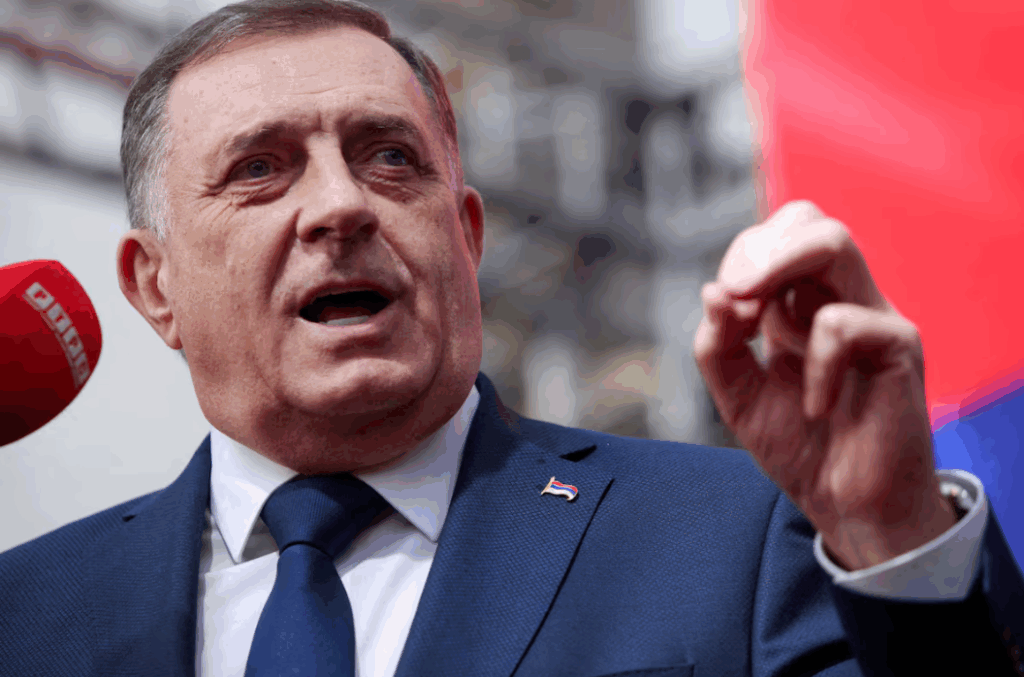
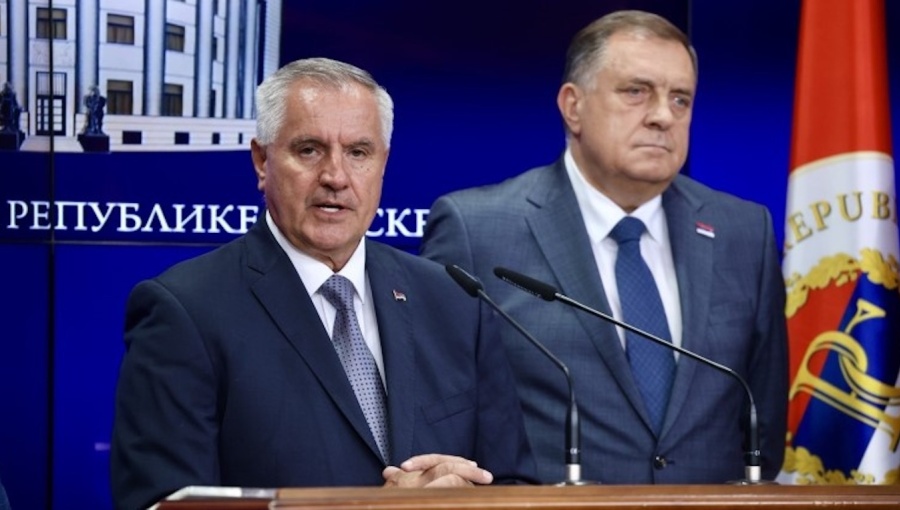
The fragile state, still burdened by the legacy of war and ethnic divisions, is facing an escalation that many observers considered unprecedented since the signing of the Dayton peace accords. At the centre of the storm stands Milorad Dodik, the Bosnian Serb leader long seen as the key architect of the current tensions and the driving force behind the growing challenge to the country’s institutions.
On the 6th of August, the electoral commission of Bosnia announced that Milorad Dodik, president of the Bosnian Serb entity, was officially removed from his position after being sentenced to one year in prison and barred for six years from holding public office. The Republika Srpska leader had received this penalty for disregarding the decisions of the international envoy supervising the peace agreement that ended the 1990s conflict, the High Representative Christian Schmidt.
Commission member Suad Arnautović explained that the body acted in line with the law, which prescribed that any elected official automatically lost the mandate, if given a prison sentence longer than six months.
Following the ruling, Dodik, who had led in different positions Republika Srpska since 2006 and kept very close ties with Russia, Hungary and Serbia, denounced the appeal court verdict as a political process and an attack against the Serb entity and the Serbian people, claiming it had been directed by the European Union.
After the sentencing, Dodik moved quickly to outline a new strategy of resistance, repeating that he did not recognise the ruling and that he remained the democratically elected president of Republika Srpska.
The most striking development came in the entity’s National Assembly, which voted in favour of holding a referendum, a step strongly pushed by Dodik, asking citizens whether they accepted the state court’s verdict against him. The question, due to be put before Serb voters in October, asks whether they accept the decisions of Christian Schmidt, described in the text as an unelected foreigner, together with the rulings of what was labelled an unconstitutional Court of Bosnia and Herzegovina, and the move by the Central Election Commission to remove Dodik from office.
The referendum is scheduled for the 25th of October, just days ahead of potential fresh elections for Republika Srpska’s presidency. In the lead-up to the Assembly’s vote, Dodik delivered lengthy speeches in which he again dismissed the authority of state-level institutions, declared he would not leave his post and lashed out at opposition deputies, branding them foreign agents and enemies of Republika Srpska for not supporting the referendum. Furthermore, Dodik vowed that the entity would not permit the organisation of early presidential elections.
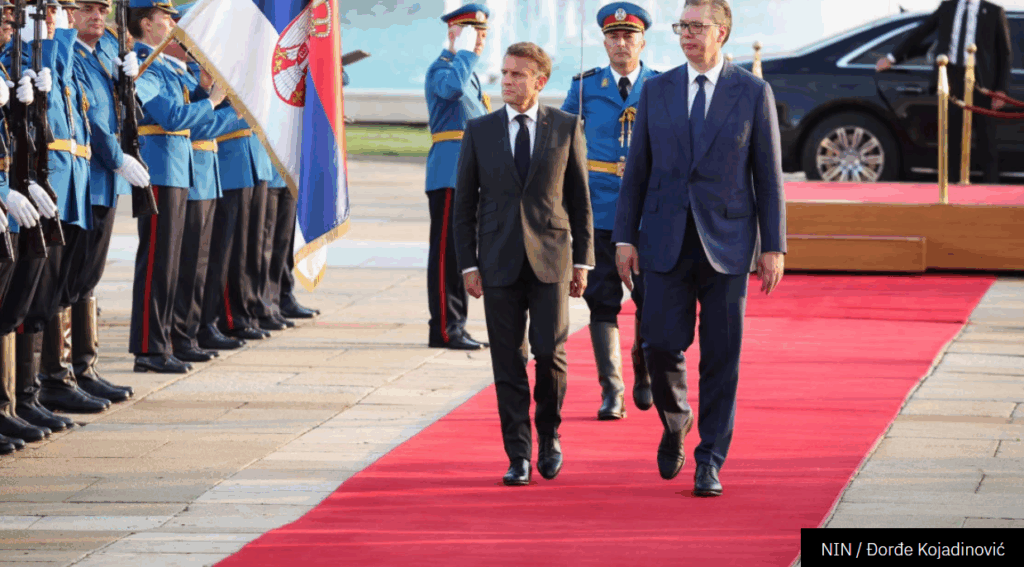
To heighten the tension, Moscow immediately voiced support for Dodik, declaring that the ruling of the Bosnian court, which barred the separatist Serb leader from political life for defying the international peace envoy, placed at risk the very survival of Bosnia and Herzegovina as a united state. Russian officials warned that Sarajevo could not afford to commit what they called a historic mistake, repeating that the country’s continued existence was in danger. Orban’s Hungary and Vucic’s Serbia also expressed strong support for Dodik as the legitimate leader of Bosnian Serbs.
The clash over Dodik’s mandate threatens to push Bosnia and Herzegovina into uncharted territory, deepening mistrust between the country’s institutions and its entities. With the controversial referendum looming, the standoff risks not only prolonging the paralysis of the political system but also feeling fears about the durability of the post-war settlement that had kept the fragile state together for nearly three decades.