
The most relevant events of the area through international sources
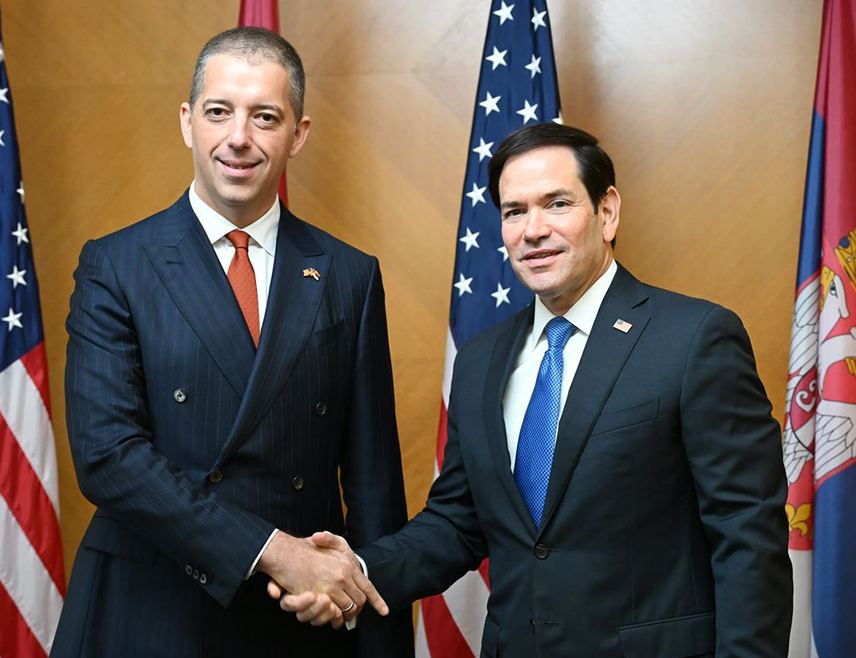
The United States and Serbia launched their first ‘Strategic Dialogue’ in Washington, pledging closer cooperation on security, energy, trade, technology and education. The two sides signed an energy memorandum and identified the Djerdap III hydropower project on the Danube as an initial priority. Washington also announced a $50 million loan guarantee to support Telekom Serbia’s 5G rollout using trusted US suppliers. The two countries also agreed to deepen military ties and academic exchanges. Serbia decided to join the Artemis Accords, while the United States reaffirmed its participation in Expo 2027 Belgrade.

Serbia’s Interior Ministry filed a criminal complaint against military analyst Aleksandar Radić over his claim that authorities had used a sonic weapon (also called Long-Range Acoustic Device LRAD) to disperse protesters at a mass anti-government rally in Belgrade in March 2025. The ministry accused him of spreading false information and causing public alarm. Radić, one of the most authoritative security commentators in Serbia, had been among the first experts to identify the noise heard during the protest as a powerful acoustic device. Authorities denied using such equipment, despite later acknowledging that police possessed long-range acoustic devices.
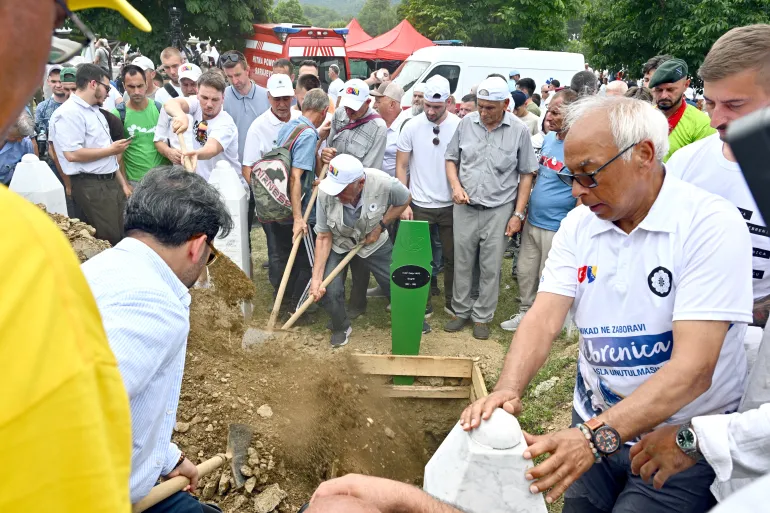
Thousands of mourners, survivors, foreign dignitaries and religious leaders gathered at the Srebrenica-Potočari Memorial Centre, in Bosnia and Herzegovina, to mark the 31st anniversary of the 1995 genocide. Ten newly identified victims were buried after the annual peace march. Bosnian Serb forces had killed more than 8,000 Bosniak men and boys after overrunning the UN-declared safe area in July 1995. More than 1,000 victims remained missing. Speakers stressed the importance of education, remembrance and resisting dehumanisation.

The European Commission expressed concern over reports that spyware and mobile-phone forensic tools may have been misused to monitor journalists and activists in Serbia. Responding to a Human Rights Watch investigation, Brussels said any unlawful access to citizens’ data would be unacceptable and urged national authorities to investigate. Documents showed that Bulgarian company Circles BG had been licensed to export surveillance equipment to Serbia, although HRW could not confirm whether the transfer reallty occurred.
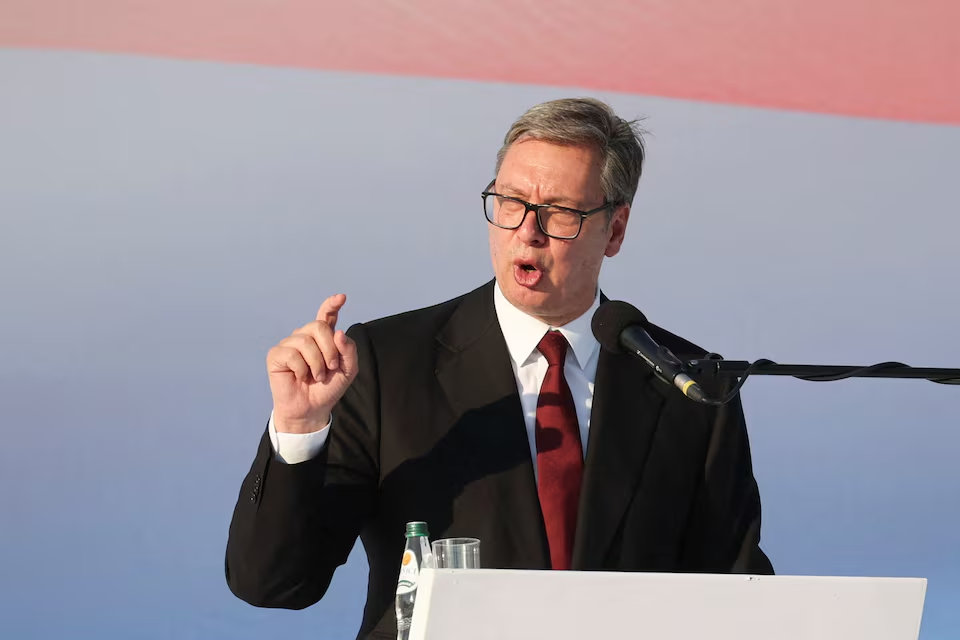
Serbian President Aleksandar Vučić pledged further financial, medical and energy assistance to Ukraine during a visit to Kyiv, including support for rebuilding an unspecified town. However, he declined to endorse a declaration at the end of the regional Southeast Europe–Ukraine Summit calling for military and security support for Ukraine and greater pressure on Russia. Serbia reaffirmed Ukraine’s territorial integrity and backed its EU membership bid, but maintained its refusal to join Western sanctions against Moscow, reflecting Belgrade’s continuing effort to balance its European ambitions with longstanding ties to Russia.
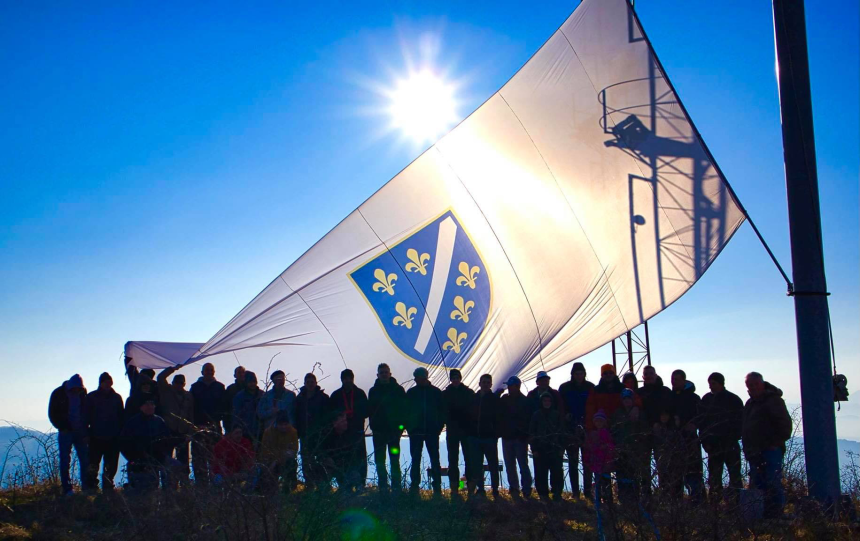
Republika Srpska’s National Assembly amended the Bosnian Serb entity’s Criminal Code to ban the public display, production or distribution of symbols linked to the Army of the Republic of Bosnia and Herzegovina, the Bosnian army during the war in the 90s. Offenders face prison terms, rising to two to five years where unrest or violence followed. Bosniak representatives announced a Constitutional Court appeal, arguing that the law’s vague wording could also be used against the former state flag with the fleur-de-lis. Critics warned that turning the offence from a misdemeanour into a crime could expose individuals to prolonged proceedings, and detention.
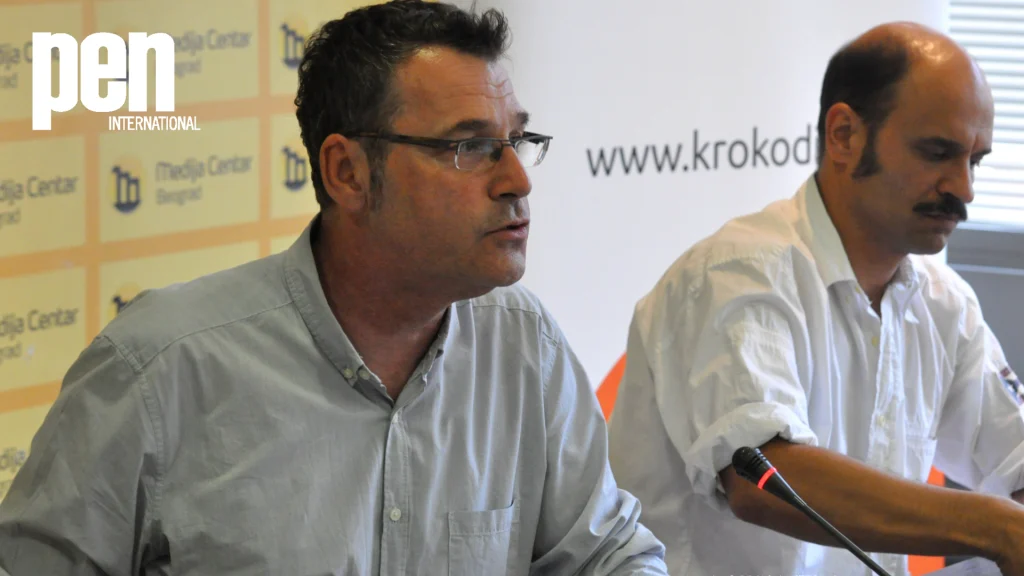
The Serbian writer and publisher Vladimir Arsenijević was attacked by 20–30 youths in Belgrade on the 11th of July. The incident occurred as his Krokodil association prepared a commemoration of the Srebrenica genocide in the Serbian capital. The assailants injured him, stole his phone and sprayed graffiti glorifying war criminals. PEN International said the attack reflected a wider deterioration in freedom of expression and persistent impunity for violence against writers, journalists and cultural figures in Serbia.
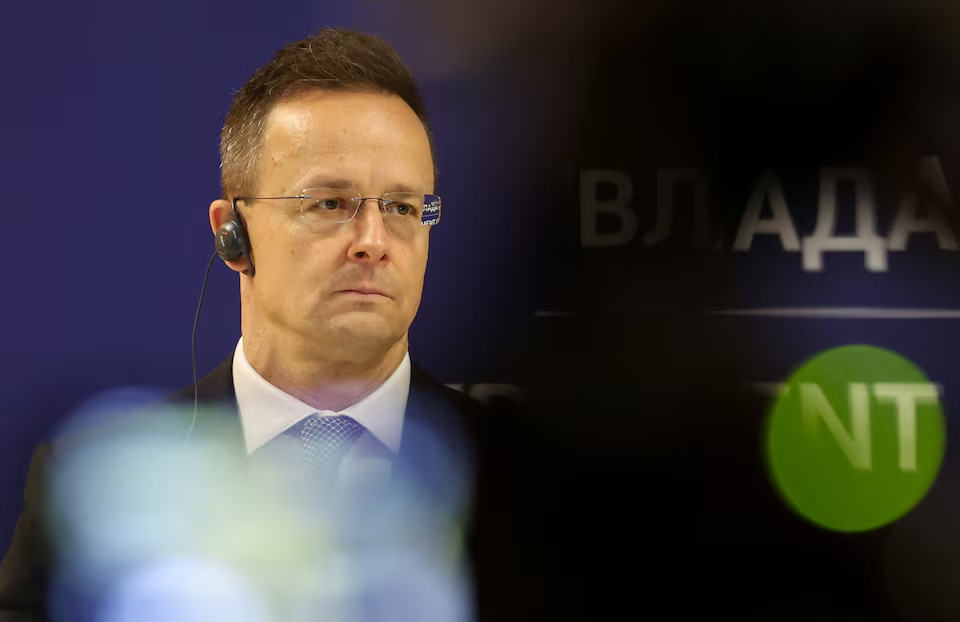
Croatia’s Parliament adopted a resolution calling for stronger political representation for Croats in Bosnia and Herzegovina and supporting electoral reform that would allow each constituent people to choose its own representatives. The right-wing Homeland Movement-sponsored text listed a separate electoral unit for Croats as one possible solution, but stopped short of endorsing a third entity. Supporters said Zagreb could not remain passive while Bosnian Croats were outvoted in the Federation, while critics in Bosnia denounced the resolution as interference in the country’s internal affairs and a challenge to its sovereignty.
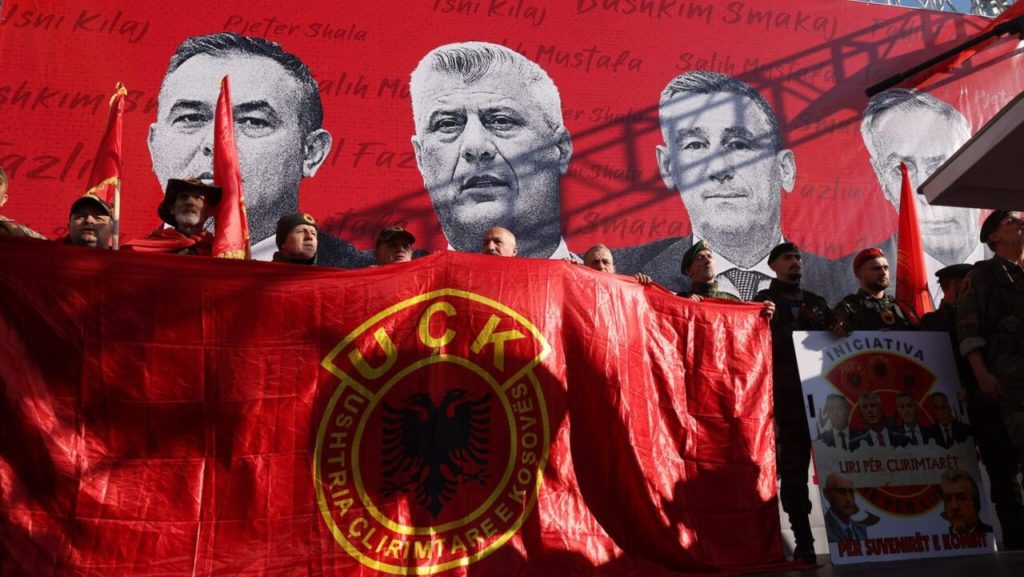
The Kosovo Specialist Chambers again postponed the verdict in the war crimes trial of former President Hashim Thaçi and three other former Kosovo Liberation Army leaders until 16 September. The decision, which followed an earlier delay to July, triggered sharp criticism in Kosovo, where officials and supporters of the defendants described the prolonged proceedings as unjust and humiliating. Thaçi, Kadri Veseli, Rexhep Selimi and Jakup Krasniqi have denied the charges, which include persecution, murder, torture and enforced disappearance.

Ian Bancroft is a writer and former diplomat with extensive experience in the Balkans, particularly in Bosnia and Herzegovina, Kosovo, and Serbia. Among other things, he is the author of the novel Luka, inspired by Bosnia and Herzegovina and the wars in the former Yugoslavia, and of the non-fiction work Dragon’s Teeth: Tales from North Kosovo. He has written widely on the region for The Guardian, Balkan Insight, Aramco World, and a range of other publications. His new book, ‘The Bosnian Straitjacket,’ contains thoughts and reflections from Bosnia-Herzegovina thirty years on from the end of the war.
Your book portrays the Dayton framework as having entrenched division and institutional paralysis. Thirty years on, do you see any realistic pathway for reform within the existing constitutional order, or does Bosnia and Herzegovina require a more fundamental reconfiguration to overcome what you describe as a “straitjacket”?
The problem with reconfiguring Bosnia-Herzegovina (BiH) is that it requires consensus amongst political leaders who have fundamentally divergent visions of the country. Bosnia’s Croats continue to push for a third entity, for instance, whilst Republika Srpska repeats calls for secession. The Bosniaks, meanwhile, generally prefer greater centralisation. These positions have remained incompatible.
There has been no serious attempt at constitutional reform since the failure of the April 2006 package (which failed by only a couple of votes), despite repeated verdicts by the European Court of Human Rights about discriminatory provisions. It simply isn’t a debate that is being had, despite the obvious shortcomings of Dayton.
Reforms to rationalise the institutional framework and strengthen the functioning of the state can only happen if there is a tangible prospect that BiH can join the EU. In the interim, measures required by the Reform Agenda to unlock substantial funding will hopefully assist the country’s green and digital transitions, whilst helping to develop the private sector and strengthen the rule of law. Then there might be a better socio-economic environment in which compromise could be reached, though similar approaches have been tried previously without achieving the desired results.
The notion of Bosnia and Herzegovina as a space of “negative peace” runs throughout the book. In your view, what are the key obstacles preventing a transition towards a more substantive, positive peace – particularly in terms of reconciliation, education, and collective memory?
The divided education system is a fundamental problem. Young people are learning different versions of history and often growing up in mono-ethnic communities. They are not exposed to the diversity of opinions that helps foster critical and analytical thinking, making them more vulnerable to the hostile, nationalistic rhetoric of many of BiH’s politicians.
There are, however, notable exceptions that offer grounds for optimism: young people who are confronting BiH’s history through alternative approaches to memorialisation, or those who are resisting further segregation in education. There are artists, writers, musicians, filmmakers and others – several of whom feature in my book – tackling topics related to war and nationalism, deconstructing the past to help build a better future.
They are the generation who are beginning to hold up a mirror to contemporary Bosnian society, posing questions about the war and how it is remembered. In a context where genocide and war crimes are denied, and war criminals celebrated, this is an important development; one that challenges the prevailing narratives that BiH will inevitably be divided.
The fundamental question, however, is how many people will choose to build their lives in Bosnia-Herzegovina. If young people continue to leave, this new energy and conception of the future will be lost.
Several contributions suggest that inconsistent or insufficient international engagement has enabled political stagnation and regression in the country. How should the EU and wider international community recalibrate their approach to Bosnia and Herzegovina to avoid perpetuating the status quo while still safeguarding stability?
The EU perspective has long had an overbearing influence on the sense of what is possible in BiH. If there is no prospect of membership, nothing can be achieved, or so the adage goes. Politicians don’t take responsibility for difficult decisions, preferring instead to blame the international community, whilst their electorates don’t hold them accountable.
One fundamental problem today is that many leaders in the Western Balkans are calculating that the EU will decide to enlarge on geopolitical or geostrategic grounds, rather than because these countries have fulfilled the accession criteria. This debate has emerged from Ukraine’s own membership bid and the accelerated timeframes under discussion, further undermining the conditionality tool that Brussels attempts to wield in BiH.
With respect to Trump, the administration’s dropping of sanctions against former Republika Srpska president Milorad Dodik shocked many in BiH. Having been stripped of the presidency, Dodik looked politically vulnerable, his financial room for manoeuvre restricted by US measures. Instead, he has been welcomed to Washington with open arms and high-level meetings. The concern in Sarajevo is that the US will side with the Banja Luka perspective and push for a revision of Dayton that favours the latter.
Bosnia continues to grapple with enduring challenges to its state institutions and the resurgence of secessionist rhetoric from Republika Srpska. This has raised concerns about potential escalation even though Dodik no longer holds office. Drawing on your experience, how serious is the risk of institutional rupture or destabilisation today? Furthermore, which domestic or external factors are most likely to determine whether Bosnia and Herzegovina moves towards crisis or containment?
The risk of destabilisation is pronounced, especially in an election year. Dodik’s political future rests upon the continued dominance of his party, the SNSD, in Republika Srpska, through which he maintains de facto control over the entity. The race for the presidency, i.e. to replace Dodik after he was stripped of the post, was tighter than expected. This has given hope to the opposition. Dodik will endeavour to make the campaign about what he alleges are injustices against himself and the entity.
The question is how far Dodik will go to assert Republika Srpska’s autonomy. The opening of an Office for International Cooperation is a direct challenge to the state’s foreign policy competencies (where there has been substantial divergence on relations with Israel and Hungary). Institutional frictions will continue on various fronts, with repeated calls for Serbs to boycott state-level institutions. Dodik has previously threatened to prevent BiH’s law enforcement and judicial and prosecutorial bodies from operating in Republika Srpska, whilst there could also be attempts to harden the invisible Inter-Entity Boundary Line. The international community must be prepared for a range of scenarios.
With the current institutional and political power structure in place, is there any hope that Bosnia and Herzegovina will focus on the future, particularly EU integration and overcoming ethnic divisions?
Bosnia-Herzegovina’s future will ultimately depend upon the enlargement dynamics of the entire Western Balkans, otherwise it is hard to see how the lack of progress of the last decade or so can be overturned. If Serbia were to advance, along with Albania and others (including ultimately Kosovo), BiH would surely be carried along in a positive wave. Part of this process would inevitably include the closing of the Office of the High Representative, an almost permanent fixture of BiH politics since the end of the war.
There are fundamental issues such as state property that remain outstanding, despite years of debate. The question of who owns public lands (rivers, forests and, most importantly, what lies beneath) is one of the key issues facing BiH. There are various mining (including lithium) and hydro projects earmarked in Republika Srpska that could generate sizeable revenues for the entity. Without a compromise on this question, and that of military property, progress on other fronts will likely remain gridlocked, and BiH will remain unstable.
Strategic trends
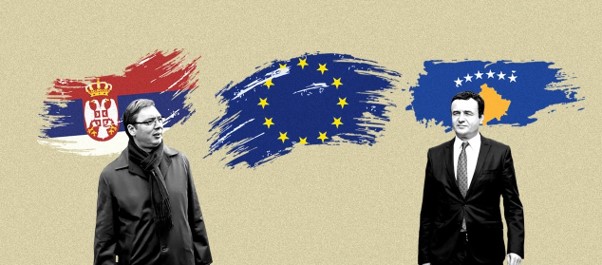
July gave fresh momentum to the EU enlargement process, delivering concrete gains in particular for Montenegro and Albania, as well as for Ukraine and Moldova. Yet it also confirmed that enlargement is no longer proceeding at the same pace. The distance between the frontrunners and those losing ground is becoming increasingly visible, with Serbia among the countries most at risk of being left behind. This creates a serious risk for the EU of losing Belgrade to other external powers.
The clearest indication of this scenario came on 14 July, when the EU held accession conferences with Ukraine, Montenegro, Moldova and Albania. Brussels described the meetings as important milestones on each country’s path towards membership and, collectively, as a significant step forward for enlargement. More importantly, these meetings demonstrated that the process could still yield results for candidates able to maintain political commitment and translate it into reforms.
In particular, the EU opened negotiations with Moldova and Ukraine on Cluster 6, covering external relations and foreign, security and defence policy. Albania again recorded the most striking advance. Brussels and Tirana provisionally closed negotiations on science and research, education and culture, and external relations. Albania has now opened all 33 negotiating chapters and provisionally closed three, an exceptionally rapid progression through the accession process.
Montenegro, meanwhile, remained the clear frontrunner in the Western Balkans. Podgorica provisionally closed negotiations on competition policy and the customs union, bringing the number of provisionally closed chapters to 18 out of 33. Its progress, coupled with Albania’s acceleration, reinforced a broader trend: enlargement is regaining credibility, but primarily for those candidates capable of meeting the EU’s political and technical conditions.
For all the positive developments recorded in July, however, events over the past few weeks also showed that accession trajectories across the Balkans and beyond are diverging ever more sharply.
The most politically sensitive case remains Serbia. Belgrade’s accession process has effectively stalled, with no new negotiating chapter opened since the end of 2021. Although the European Commission had long maintained that Serbia had met the technical benchmarks for opening Cluster 3 on competitiveness and inclusive growth, member states once again failed to reach the unanimity required to move forward in July. A renewed Commission push in early July was not enough to secure an accession conference, leaving Serbia at a standstill while Albania and Montenegro advanced.
The reasons for the blockage in Serbia’s accession process were plainly political rather than technical. According to media reports and diplomatic sources, eight member states remained dissatisfied with Serbia’s record on the rule of law, judicial independence, media freedom and democratic governance. Progress in the EU-facilitated Dialogue with Kosovo also continued to influence the overall pace of negotiations. Belgrade’s limited alignment with EU foreign policy, most notably its refusal to impose sanctions on Russia, further weakened the case for opening the cluster. Serbia’s failure to advance thus exposed the growing distance between its formal commitment to membership and the reforms and strategic choices increasingly expected by the EU.
Bosnia and Herzegovina’s accession process also remains firmly stalled. Although the European Council agreed in 2024 to open membership negotiations, deep institutional divisions and successive political crises, most of them centred on Republika Srpska, prevented that decision from generating sustained reform momentum. By July, Bosnia and Herzegovina had already lost €108 million in EU Growth Plan funding and risked losing a further €370 million. The dispute over the future of the Office of the High Representative introduced yet another layer of uncertainty.
North Macedonia’s trajectory is no less frustrating. Accession negotiations formally began in 2022, but substantive progress remained blocked by the requirement to amend the constitution and recognise Bulgarians among the country’s constituent peoples. The government in Skopje continued to resist moving forward without further guarantees from Sofia, while the EU insisted that the agreed condition was not open to renegotiation. Albania’s rapid progress, following the separation of the two countries’ accession paths, made North Macedonia’s paralysis all the more visible. What began as a bilateral dispute had become an increasingly serious strategic disadvantage.
Kosovo remains even further from formal accession. Despite submitting its membership application in December 2022, it continued to be regarded by the EU only as a potential candidate, not least because five member states did not recognise its independence. Domestic political delays had also slowed the adoption of EU-related reforms, while further progress remained tied to the normalisation of relations with Serbia and the implementation of commitments made through the EU-facilitated dialogue.
The outcome is an increasingly two-speed enlargement process. On one track, Albania and Montenegro have shown that sustained reforms and political alignment can still be rewarded. On the other, Serbia, Bosnia and Herzegovina, North Macedonia and Kosovo remain held back by democratic shortcomings, institutional paralysis, bilateral disputes or unresolved questions of status.
This differentiation carries clear strategic risks. Leaving some candidates behind indefinitely could deepen public disillusionment, reinforce nationalist narratives and create greater space for external influence. The challenge for Brussels will therefore be to preserve the merit-based character of enlargement without allowing differentiation to harden into permanent fragmentation. Progress by the frontrunners should serve as an incentive for the rest of the region, not as a prelude to its abandonment.
Foreign ministers from the so-called ‘Friends of the Western Balkans’ group and their regional counterparts met in Rome on 10 July and endorsed an Italian-sponsored ‘Rome Charter,’ which called for a credible, predictable and unified enlargement process and the swift integration of the Western Balkans into the EU.
The initiative was backed by Austria, Croatia, the Czech Republic, Greece, Hungary, Italy, Slovakia and Slovenia, alongside the six Western Balkan partners. With this initiative, Rome sought to give fresh political impetus to the region’s accession and to prevent future members from being confined to a weaker or differentiated form of participation.
The accompanying non-paper, entitled ‘One Union, one finish line’, was not made public but was circulated among journalists. It argued that enlargement should preserve both rigorous conditionality and the principle of equality among member states. It rejected candidate-specific restrictions that could create a permanent second tier within the Union and insisted that any safeguards or transitional arrangements should remain proportionate, temporary and linked to clearly identified needs. It also warned against introducing new political hurdles during negotiations, which could undermine the credibility of the European perspective and weaken the EU’s influence in its neighbourhood.
The document acknowledged that future accession treaties would have to respond to a more difficult security environment. It proposed modernised safeguards against foreign interference, economic coercion and other hybrid threats, while stressing that these measures should help candidates integrate into the Union’s security and resilience instruments rather than impose additional burdens on them.
Chaired by Italian Foreign Minister Antonio Tajani, the Rome meeting linked enlargement more closely to European strategic autonomy, connectivity, resilient supply chains and energy and digital integration. Italy intended to carry the charter’s principles to Brussels. Its practical impact, however, depended on whether the coalition could persuade a broader group of EU member states.
The Peace Implementation Council failed again on 14 July to agree on a successor to Christian Schmidt as High Representative for Bosnia and Herzegovina, prolonging uncertainty over the leadership of the Office of the High Representative.
Peter Sørensen, whose name had recently circulated in diplomatic discussions, was not formally proposed, while the previously mentioned candidates, Antonio Zanardi Landi and René Troccaz, also failed to secure sufficient backing, according to media reports. EU member states were therefore expected to search for a new candidate capable of winning support from the United States as well as the other members of the Council’s Steering Board.
Pending an agreement, Principal Deputy High Representative Louis J. Crishock was set to continue carrying out the OHR’s mandate in an acting capacity.
The deadlock reflected broader disagreements among Western partners over the institution’s future direction, at a time when Bosnia and Herzegovina remained burdened by political paralysis, tensions surrounding Republika Srpska and stalled EU-related reforms. Although the OHR’s immediate continuity was preserved, the failure to settle its leadership risked weakening international coherence and further complicating efforts to stabilise the country’s institutions.
NATO Secretary General Mark Rutte confirmed at the Ankara Summit that Albania would host the Alliance’s next leaders’ meeting, although the date had yet to be fixed. The decision represents a diplomatic success for Tirana and gives the Western Balkans a prominent place on NATO’s political calendar. It would be the first NATO summit hosted by Albania since the country joined the Alliance in 2009.
The confirmation dispelled doubts that had emerged shortly before the Ankara Summit. Reuters reported on 30 June that the plan faced resistance from the Trump administration and concern among some allies over Albania’s low defence spending.
A draft summit statement had reportedly omitted any reference to Tirana, despite an earlier understanding that Albania would follow Türkiye as host. The Albanian government responded by announcing measures that would raise defence and security-related expenditure to 2,6% of GDP in 2026, including 2,2% for so-called core defence.
The European Commission is preparing to redistribute unspent funding from the Reform and Growth Facility for the Western Balkans towards countries that had met their reform commitments, according to media reports. Montenegro, Albania and North Macedonia are expected to benefit most, while Bosnia and Herzegovina, Kosovo and Serbia risk losing funds after missing agreed deadlines. The Commission said it would conduct a comprehensive and objective assessment of reform steps before deciding how much money would be reallocated.
Created in 2024, the €6 billion facility linked financial support to reforms required for EU membership and aimed to help double the region’s economies within a decade. Yet only around €673 million had been released, almost all of it to three beneficiaries.
Brussels stressed that the mechanism was designed as an incentive rather than an automatic entitlement: governments received funds only after delivering agreed reforms.

Journalist based in the Balkans since 2005, he covers Central- and Eastern Europe for a wide range of media outlets, including the Italian national news agency ANSA, and the dailies La Stampa and Il Piccolo.
This website uses cookies to enhance your experience. Some are essential for site functionality, while others help us analyze and improve your usage experience. Please review your options and make your choice.
If you are under 16 years old, please ensure that you have received consent from your parent or guardian for any non-essential cookies.
Your privacy is important to us. You can adjust your cookie settings at any time. For more information about how we use data, please read our privacy policy. You may change your preferences at any time by clicking on the settings button below.
Note that if you choose to disable some types of cookies, it may impact your experience of the site and the services we are able to offer.
Some required resources have been blocked, which can affect third-party services and may cause the site to not function properly.