
“The spirit of our endeavour is, To strive, to seek, to find and not to yield”


Alessandro Minuto-Rizzo, President

Monthly Journal

March 2026

International Press Review

The most relevant events of the area through international sources
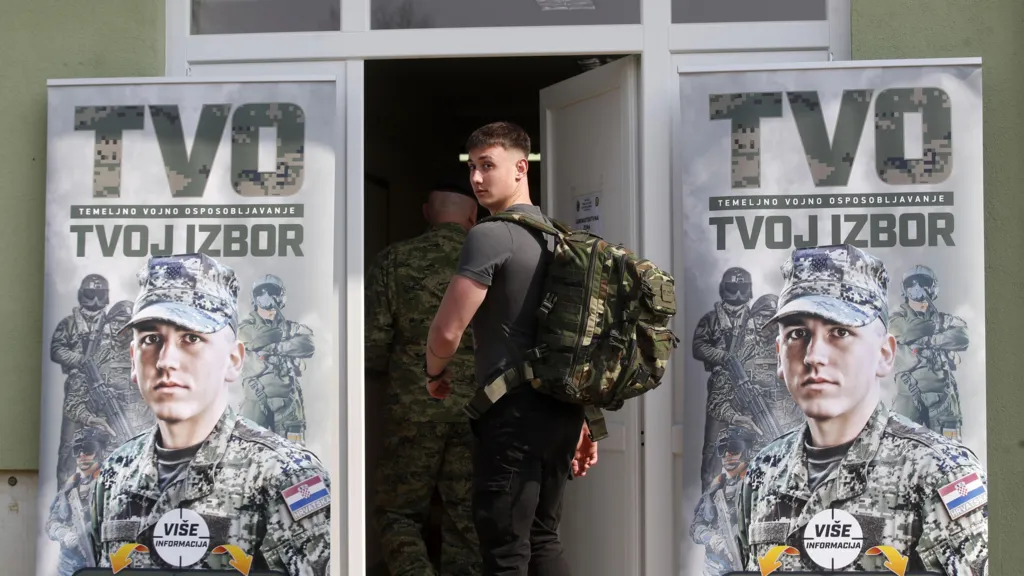
Croatia reinstates conscription amid regional tensions
BBC
Croatia resumed mandatory military service for the first time in 17 years, with 800 recruits beginning two months of basic training as part of a broader effort to strengthen national defence amid growing concern over security in Europe and the Western Balkans. The scheme, approved last October, drew a mixed public response, though most of the first intake volunteered and only a handful sought civilian service. Officials said conscripts would receive military training, financial incentives and advantages in future public-sector employment.
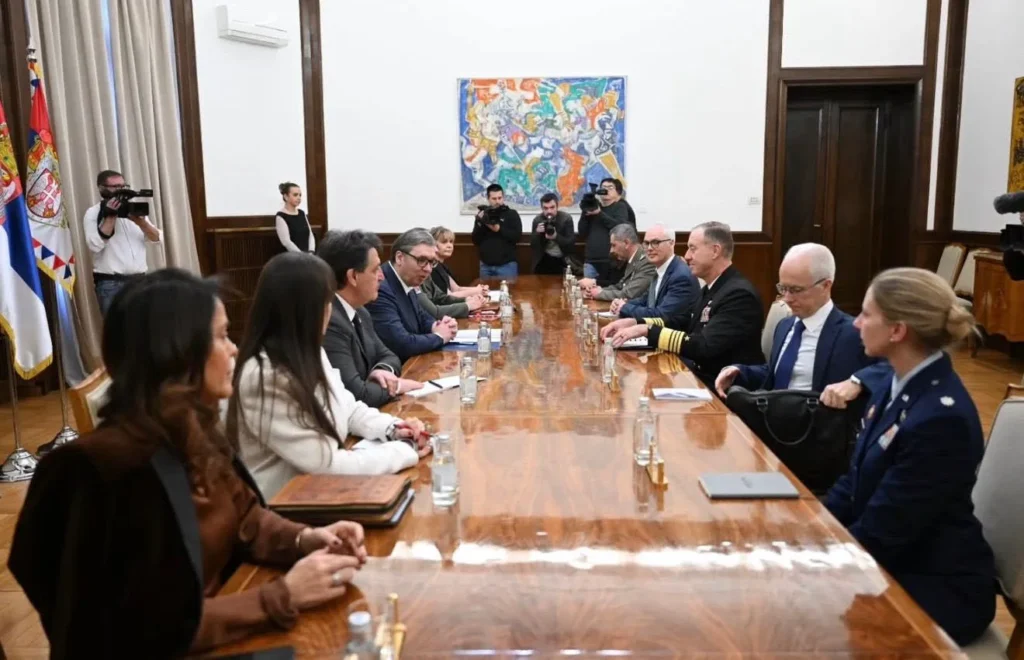
Serbia invites NATO to hold joint exercise at Borovac
Allied Joint Force Command
NATO said the Western Balkans remained a region of strategic importance and welcomed the chance for Serbian and Allied military personnel to train together in Serbia in May. Allied Joint Force Command Naples said the exercise would take place at the Borovac Training Area, used by the Serbian Armed Forces to prepare units for international missions, including UN peacekeeping operations. It added that the activity would be held at Serbia’s invitation, in line with its policy of military neutrality, and would strengthen interoperability, practical cooperation and regional stability.
Romania authorises US use of air base for Iran operations
Stars and Stripes
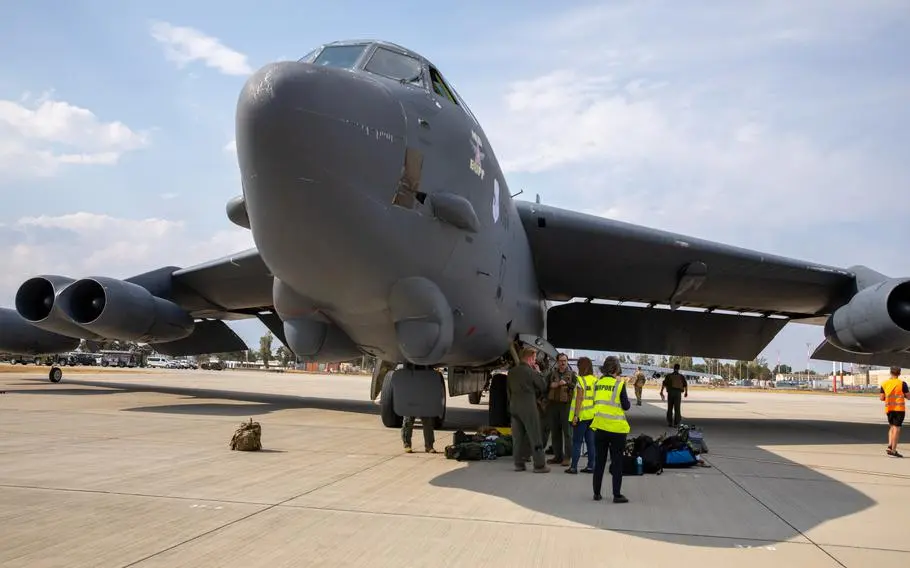
Romania authorised the United States to use the Mihail Kogălniceanu air base on the Black Sea for non-combat operations linked to Iran after a meeting of the country’s Supreme Defence Council. The request involved the temporary deploying of US fighter aircraft at the base, which has hosted American forces since 1999 under NATO access agreements. Romanian officials reviewed the security implications of the Middle East crisis, while the Pentagon confirmed the deployment but declined to provide operational details for security reasons. The USA also maintains a separate NATO missile defence site at Deveselu. The Base 99 hosts since 2016 an Aegis Ashore air defence system (RIM-161 Standard Missile 3m Block IIA interceptors) against the growing threat posed by the proliferation of ballistic missiles outside the Euro-Atlantic area; i.e. against Iranian missiles, according to media leaks at the time.
EU warns against admitting states vulnerable to foreign influence
ANSA
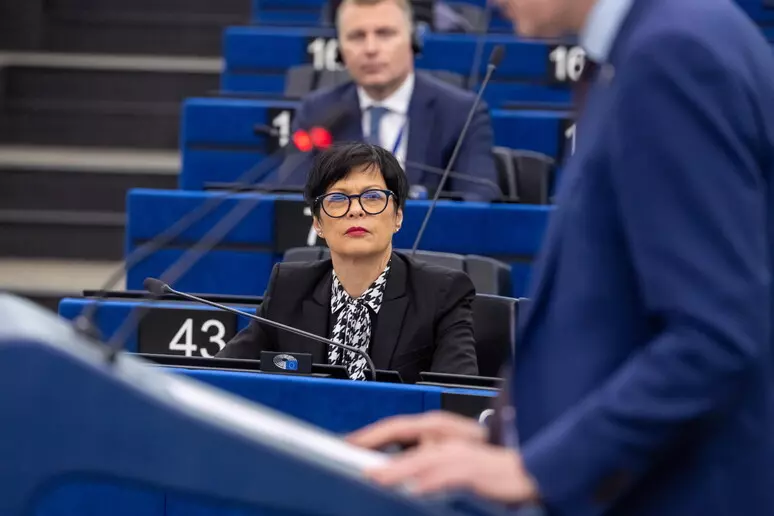
EU Enlargement Commissioner Marta Kos warned that countries undermining the Union from within would not be admitted as member states. She did not mention any country in particular. Speaking at the European Parliament plenary session in Strasbourg, she stressed that candidate countries must demonstrate strong democratic institutions capable of resisting external influence, particularly from Russia. Kos emphasised that accession required genuine reforms and that there could be no shortcuts in the process. At the same time, she noted that the EU must honour its own commitments, arguing that credible enlargement depended on both sustained reforms by candidates and consistent delivery by the EU.
Kurti meets with Macron in Paris
Gazeta Express
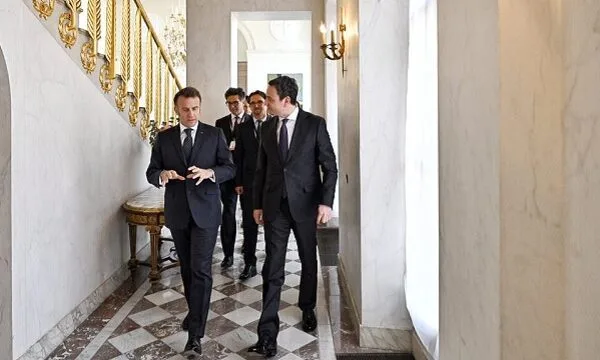
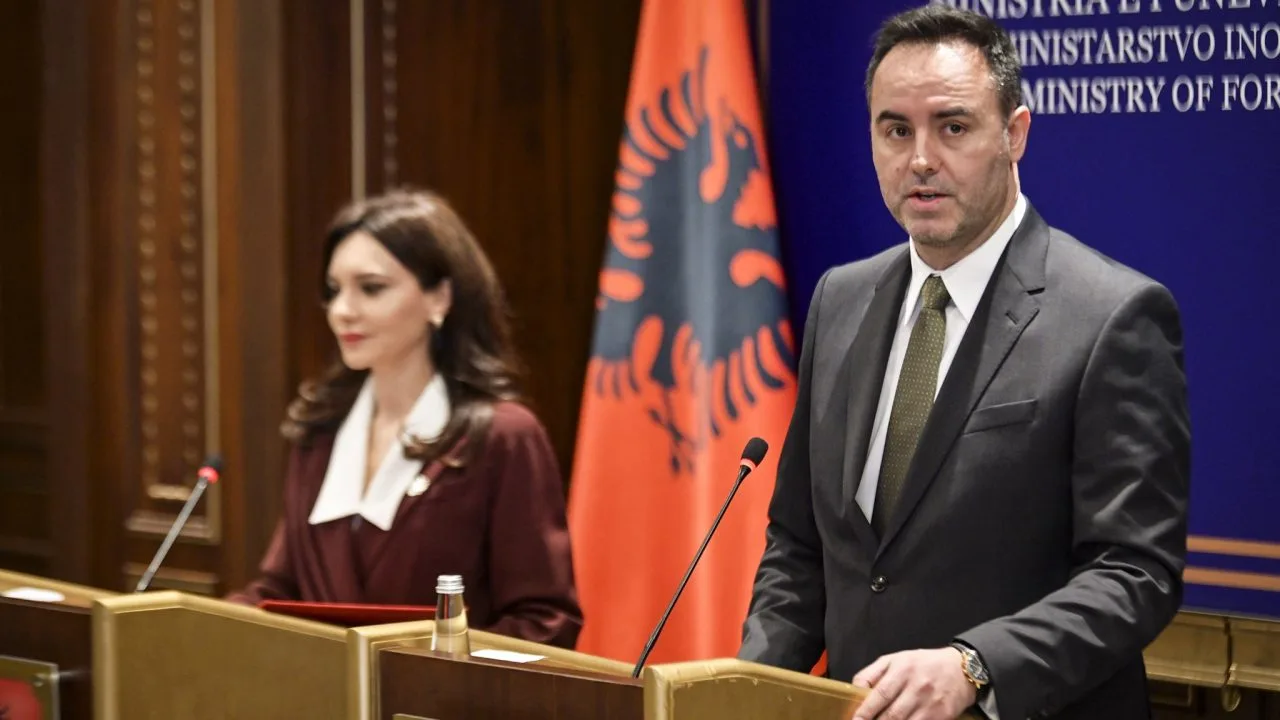
Prime Minister Albin Kurti said he had held a two-hour meeting and working lunch with French President Emmanuel Macron focused on cooperation, European integration, security, defence, the economy and development. Kurti said the talks had covered Kosovo’s path towards membership of the EU and other international organisations, as well as NATO’s role in Kosovo, cooperation with North Atlantic allies and regional security in the Balkans. He added that strengthening defence capabilities had also been discussed.
Bosnia to acquire Turkish drones
A5 Dergi
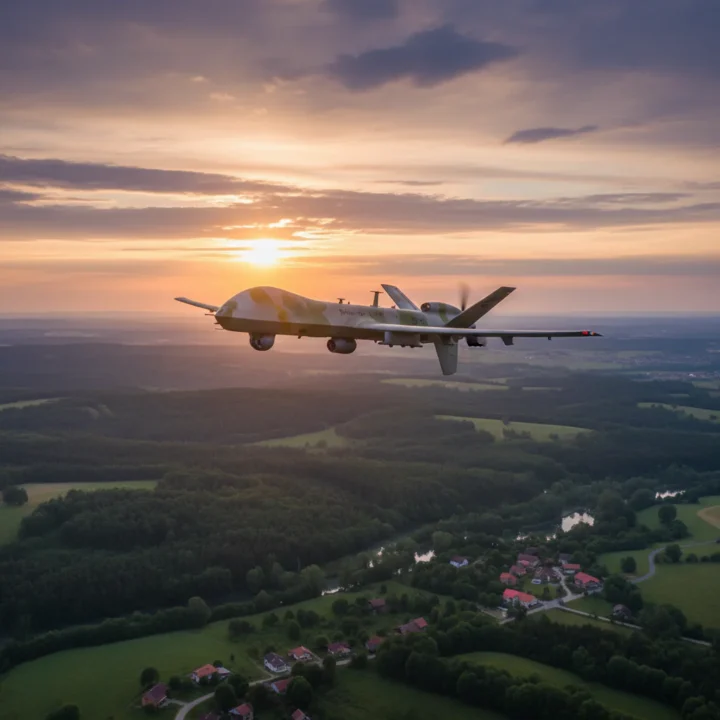
Bosnia and Herzegovina agreed to acquire Baykar’s Bayraktar TB2 armed drones, with deliveries due to begin later this year. The deal marked a significant step in strengthening Bosnia’s defence capabilities and reflected closer military cooperation with Türkiye. Bosnian officials said the UAVs would be integrated into the armed forces inventory, while Türkiye would also support training during the delivery phase. The agreement underlined Ankara’s wider push to expand defence exports and deepened strategic ties between the two countries, and in the Balkans.
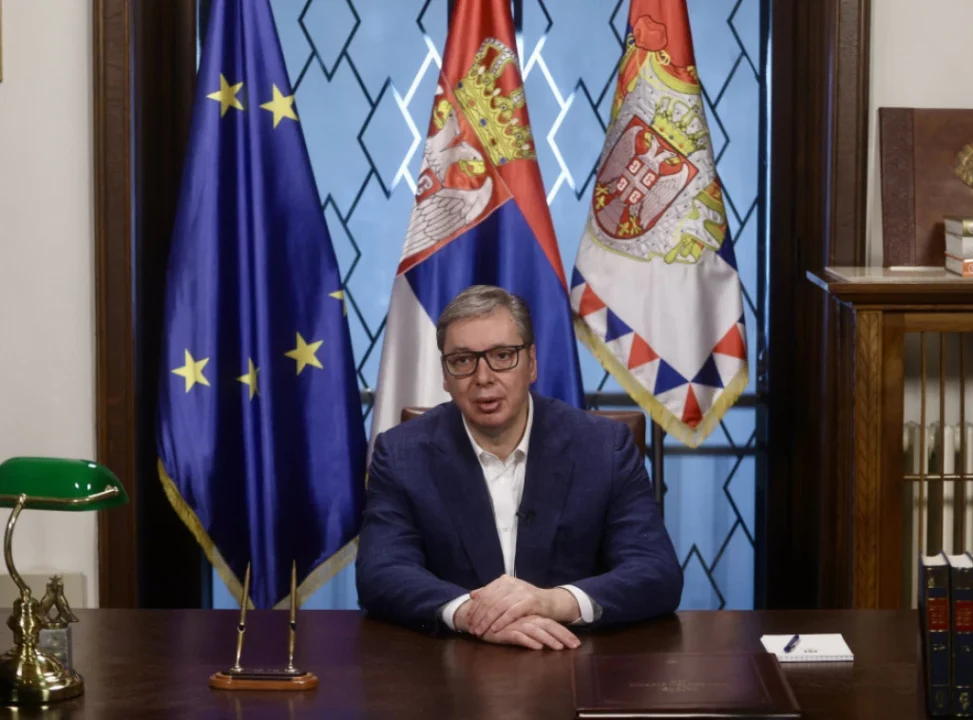
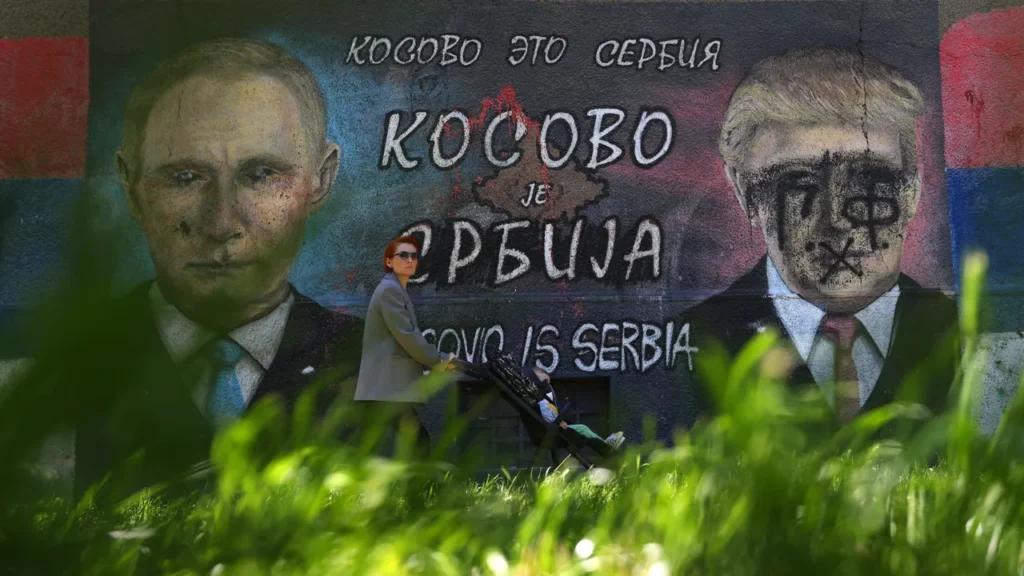
Vucic secures new gas deal with Putin
Tanjug
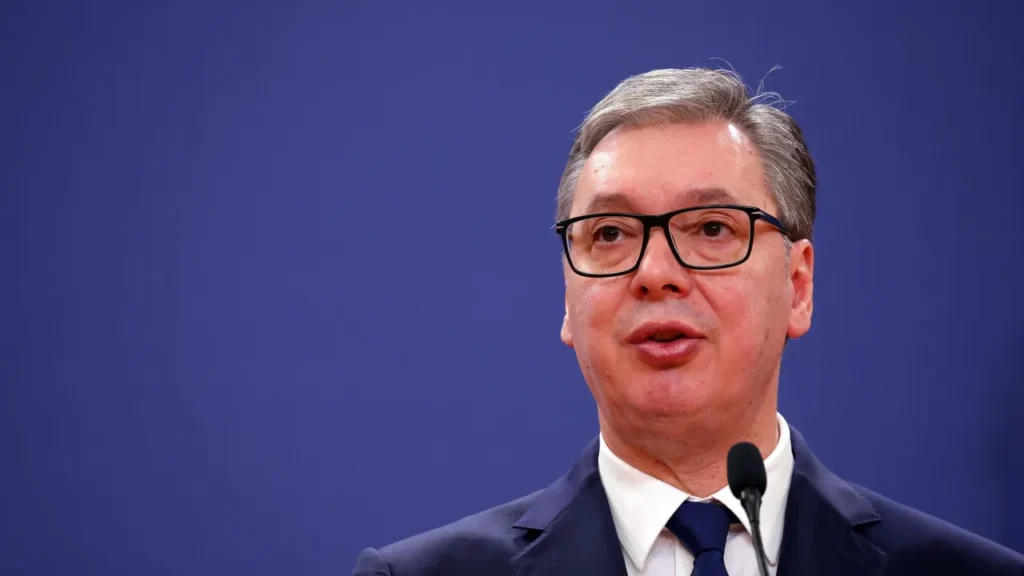
President Aleksandar Vucic said he had spoken with Vladimir Putin and secured a three-month extension of Serbia’s gas agreement with Russia on very favourable terms. He said the deal had been a key issue in their talks and thanked the Russian president for the extension. Vucic added that the arrangement was flexible and that the gas price would continue to be calculated under an oil-linked formula.
US report warns of Balkan instability due to Russian influences
BGNES
US intelligence agencies warned in their 2026 Annual Threat Assessment that the Western Balkans remained vulnerable to political tension, entrenched ethnic divisions and destabilising external influence. The report said Russia had encouraged instability between Serbia and Kosovo and backed secessionist moves by Republika Srpska in Bosnia and Herzegovina. It added that unresolved regional disputes, disinformation, cyber threats, organised crime and terrorism continued to pose risks, while the Balkans remained a sensitive arena in the wider confrontation between the West, Russia and China.
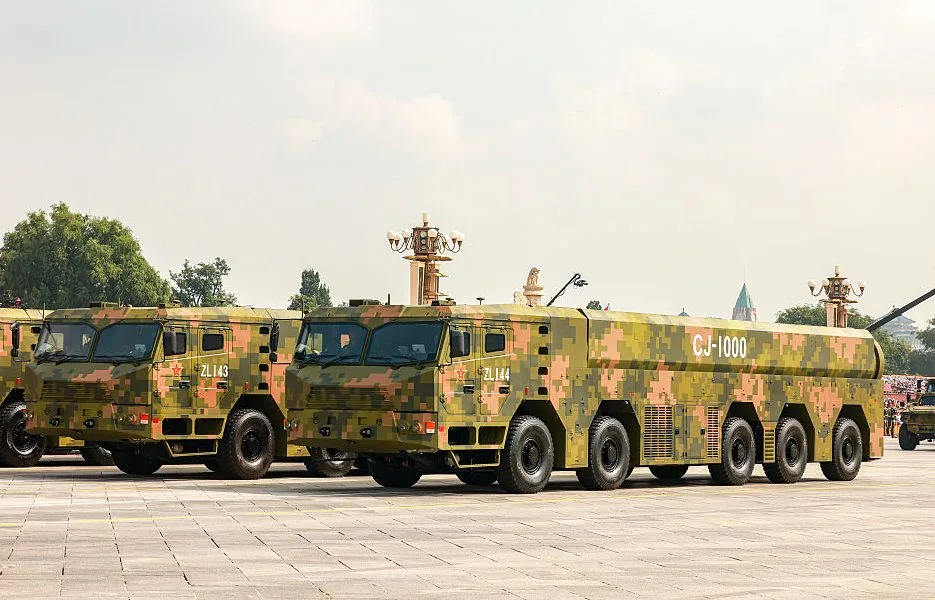
Serbia adopts Chinese supersonic missiles
Euractiv
Serbian President Aleksandar Vucic confirmed that Serbia possesses Chinese supersonic surface-attack cruise missiles (CM-400AKG) after images of the weapons mounted on MiG-29 fighter jets circulated online. He said Serbia had a significant number of the missiles and planned to acquire more, describing them as costly and highly effective. The revelation drew concern in neighbouring Croatia, where Prime Minister Andrej Plenkovic said he would raise the issue with NATO.
Serbia deploys troops to protect key gas infrastructure
Serbian Office for Public and Cultural Diplomacy
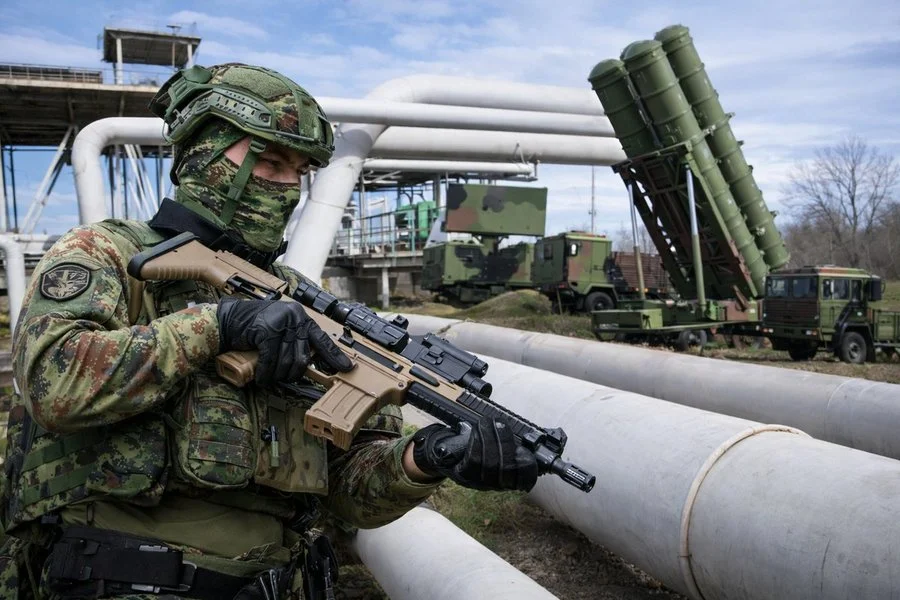
Serbia stepped up security around the TurkStream/Balkan Stream gas pipeline, a key route carrying Russian gas from Türkiye through Serbia towards Hungary and other European markets. The authorities deployed units from the 72nd Special Operations Brigade and the 250th Air Defence Missile Brigade to protect the Velika Plana compressor station near Zabari, described as a critical hub for onward transit. The move underlined Belgrade’s concern over safeguarding strategic energy infrastructure amid wider regional and European security tensions.
Thaci’s defence seeks acquittal and release
Gazeta Express
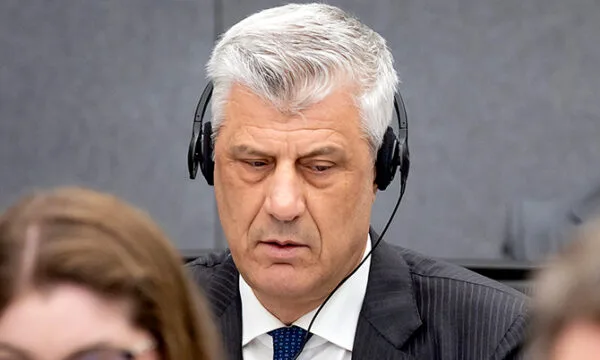
Hashim Thaci’s defence said the war crime trial in The Hague had entered its final phase after more than 33 months of hearings and evidence. In its closing brief, the defence argued that the prosecution had failed to produce convincing evidence linking former Kosovo’s president to the charges and asked the court to acquit him on all counts and order his immediate release. It said none of the witnesses had testified that Thaci exercised effective command over KLA structures or had ordered illegal acts. The defence also maintained that senior international officials had described him as a political, not military, figure. The case now awaits a first-instance verdict.
Croatia calls off Balkan summit citing Vucic’s statements
BGNES
Croatian President Zoran Milanovic cancelled the annual Brdo-Brijuni summit for the Western Balkans, in agenda in May, arguing that recent statements by Serbian President Aleksandar Vucic had undermined regional peace and stability and made a visit to Croatia untenable. He said the forum would only resume under new conditions and after consultations with Slovenian President Natasa Pirc Musar. The initiative, launched by Croatia and Slovenia in 2013, had brought together eight Balkan presidents each year to foster cooperation and EU integration. Vucic had recently accused Croatia, Albania and Kosovo of forming a military bloc against Serbia.

The Insight Angle

The Insight Angle

Jovana Marović

Jovana Marović served as Montenegro’s Deputy Prime Minister and Minister for European Affairs and is a recognised expert on EU enlargement, democracy, the rule of law, anti-corruption and regional cooperation. Earlier in her career, she worked as an adviser in Montenegro’s Ministry of Foreign Affairs and in the municipality of Budva before moving into policy research. She later held senior roles at the think tanks Institute Alternative and Politikon Network and briefly served as a special adviser to the Minister of Labour and Social Welfare. She has been a member of BiEPAG since 2015.
The Insight Angle 2

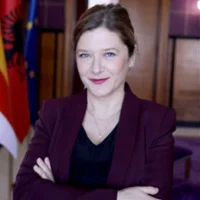
Odeta Barbullushi

Odeta Barbullushi is a foreign policy expert, academic and former diplomat, and currently a Resident Professor at the College of Europe’s Tirana campus. She previously served as Sherpa and adviser to Albania’s Prime Minister on EU integration and regional cooperation, overseeing regional initiatives, bilateral relations with neighbouring countries and preparations for EU–Western Balkans summits. From 2015 to 2019, she was Deputy Minister of Foreign Affairs and Chief of Cabinet to the Minister for Europe and Foreign Affairs. Earlier, she was Lecturer and Vice Rector for Research at the European University of Tirana. Her research focuses on the EU Reform and Growth Plan, regional cooperation, EU enlargement, state building in Southeast Europe and Albania’s foreign policy.

In your policy brief (How Accession Treaties Can Strengthen Europe) you argue that monitoring candidate countries’ reform progress has important shortcomings and that financial conditionality should play a stronger role. Why do you consider this more effective and how should it be applied in the Western Balkans?
For years, the EU has documented rule-of-law problems in candidate countries, often without having the tools to ensure that its recommendations translate into genuine reforms. A similar challenge exists within the EU itself: once countries become members, conditionality weakens significantly. Even newer instruments, such as the annual rule-of-law reports for member states, can be circumvented when compliance is reduced to technical requirements rather than substantive institutional change. The core issue therefore remains enforcement.
As a result, governments can formally comply with EU requirements while delaying deeper structural reforms. In candidate countries this is even more problematic, as rule-of-law progress often remains limited while there are no firm guarantees that reforms will ultimately lead to membership.
Financial conditionality is more effective because it creates immediate and tangible incentives. Access to EU funds is highly valued by governments and societies in the Western Balkans, so linking disbursements to measurable progress in areas such as judicial independence, anti-corruption and public administration reform makes incentives clearer and stronger. This is precisely where there is an opportunity to strengthen rule-of-law reforms, which requires a much stronger link between key institutional reforms and financial conditionality.
In practice, financial support should be tied to clearly defined rule-of-law benchmarks, with funds released only after reforms are implemented and verified. Conditionality must also be applied consistently and transparently so that governments clearly understand that financial benefits depend on sustained progress in democratic governance. Importantly, similar mechanisms should continue to apply after accession and should be embedded in accession treaties to prevent backsliding.
 
How significant is the EU Growth Plan for the Western Balkans in relation to financial conditionality benchmarks? Can it meaningfully influence reforms and the rule of law?
The EU Growth Plan represents a potentially important step because it creates a more structured link between financial support and reform commitments. Unlike earlier funding instruments, which were often perceived as loosely conditional, the plan connects financial assistance with specific reforms and with the gradual integration of Western Balkan economies into parts of the EU single market.
However, there are also limitations. The Growth Plan is a separate financial instrument, and the measures related to the rule of law remain relatively limited. At the same time, progress in integrating the Western Balkans into the EU single market, which is one of the central ideas behind the plan, has been relatively slow. Because of this, the impact of the instrument will depend heavily on how consistently the EU links financial support to meaningful reforms.
 
Montenegro and Albania are advancing toward accession, especially Montenegro. What concrete steps should be taken in future enlargement rounds to avoid scenarios similar to those seen in Hungary, Romania, or Bulgaria?
The key point is that enlargement should not be delayed. The EU should move forward with enlargement while strengthening mechanisms that protect the rule of law, because this challenge is not limited to candidate countries, it is also present within the Union itself. Further delays would only weaken the EU’s credibility and its capacity to shape reforms in the region.
One important step would be stronger post-accession monitoring mechanisms linked to financial conditionality. Continued access to certain EU funds could remain conditional on maintaining rule-of-law standards, ensuring that governments cannot backslide without consequences. Accession treaties should also include safeguard clauses allowing the EU to suspend certain benefits of membership if fundamental principles such as judicial independence or democratic governance are seriously undermined.
The goal is to ensure that reforms are durable and institutionalised rather than purely formal conditions fulfilled at the moment of accession.
 
You have expressed scepticism about ideas of two-tier EU membership, which have recently been discussed by leaders such as Vucic and Rama. Why do you view this approach critically? What about the proposal to admit the Western Balkans without veto power and commissioners?
The main concern with two-tier membership is that it risks institutionalising inequality between member states. If countries are admitted without full political rights, such as voting power, they could remain permanently in a secondary category within the Union.
Such arrangements could also weaken incentives for genuine democratic and rule-of-law reforms, as governments might present partial membership as a political success while avoiding deeper institutional transformation.
A more credible approach is to maintain the credibility of the accession process while strengthening incentives and enforcement mechanisms during the pre-accession phase. The objective should remain full membership based on durable reforms rather than institutional arrangements that risk creating long-term second-class membership.
 
Enlargement in the Western Balkans remains slow, with Montenegro and Albania currently the most advanced. Do you think the EU is treating enlargement as a strategic objective again? If not, what are the risks?
Initiatives such as the Growth Plan and renewed political attention to enlargement suggest that the enlargement is high at the EU agenda.
However, progress remains slow and uneven, which risks undermining the credibility of the EU’s commitment. If candidate countries begin to believe that accession will be indefinitely postponed regardless of reforms, incentives for transformation weaken and public support for the EU may decline.
There is little benefit for anyone in delaying enlargement further. Prolonged stagnation risks increasing political frustration in the region and opening space for other external actors to expand their influence. Maintaining a credible enlargement perspective supported by clear incentives and consistent conditionality is therefore essential both for the Western Balkans and for the EU itself.

The Key Story

Strategic trends 

Source: EUalive.net

Kosovo’s deadlock deepens after presidential vote failure triggers a constitutional crisis

After seemingly emerging from a year-long crisis with the election of Albin Kurti’s third government in February, Kosovo slipped back into institutional paralysis in March. The immediate trigger was procedural, related to the election of the new president, but the causes ran deeper, exposing the structural limits of the country’s post-election governance and the persistent fragmentation of its political landscape.
The trigger was initiated on the 5th of March, when the Kosovo’s Assembly failed to elect the new Kosovo’s president within a constitutional deadline. Prime Minister Albin Kurti’s Vetëvendosje had secured enough support to form a government only weeks earlier, but it lacked the broader parliamentary participation required for the presidential ballot. Opposition parties, unwilling to back the ruling party’s nominee, stayed away and thereby denied the needed quorum.
The assembly session for electing the president was adjourned shortly before midnight on the 5th of March, when the deadline to elect the new president expires. If the chief of state is not elected, the incumbent has to dissolve the assembly and call snap elections, the rules state. “I adjourn the session. We don’t have a quorum for voting,” parliamentary speaker Albulena Haxhiu said, adding that the session will be continued. However, the opposition boycotted the session and only MPs of the ruling Vetëvendosje party were present in the parliament. At that stage, it was not clear whether President Vjosa Osmani will call elections the day after or wait for the assembly session to formally end.
Osmani decided however to intervene soon after and escalated the new crisis. The current president, whose term is due to expire in April, dissolved Kosovo’s parliament after lawmakers failed to agree on a new head of state, paving the way for the country’s third general election in little more than a year. The deadlock appeared to thrust the Balkan state back into a new political crisis, after inconclusive general election early last year ultimately led to a snap poll in December. Osmani said that, under the constitution, she had no alternative but to dissolve the Assembly after the failed vote, adding that the date of the new election would be announced after consultations with the political parties.
After spending a couple of weeks in institutional limbo, Kosovo and its political forces were jolted by the Constitutional Court’s ruling that Osmani’s decree had breached the rules. The judges struck down the decree issued by Osmani for dissolving parliament and paving the way for fresh elections. In a statement, the court said the decree had no legal effect, upholding the challenge brought by Prime Minister Albin Kurti. According to the ruling, deputies were given 34 days from the date of the judgment to elect a new president. Failing that, early elections would have to be called within 45 days.
The court effectively restored parliament’s opportunity to resolve the impasse from within. As of 31 March 2026, however, the underlying problem remained unresolved: Vetëvendosje still lacks a consensual candidate acceptable to the opposition. And Kosovo remains caught between renewed negotiations and the prospect of yet another snap election.

Further News and Views

Fuel price shock spread across the Balkans
Sources: Reuters, Xinhua, European Western Balkans, Balkan Insight
Over the past month, the war against Iran sent fuel prices sharply higher across the Balkans, turning the new conflict into an immediate economic pressure point for households, transport companies and governments in a region already impoverished since the Ukraine war.
The Balkans did not face outright shortages, but the rise in crude prices and tighter supplies of diesel, petrol and other refined products quickly fed through to local markets, reviving inflation concerns and exposing dependence on imported energy.
In Serbia, the government moved fastest to contain the pressure. Diesel was kept under state-regulated pricing at around €1,79 per litre, while Belgrade cut excise duties, released oil from strategic reserves and capped diesel prices for farmers. It also prolonged a ban on crude oil and fuel exports to shield the domestic market.
In Albania, where fuel was already among the most expensive in Europe relative to incomes, diesel rose to about €2,22 per litre from roughly €1,77-€1,82 before the shock. Tirana responded by reactivating market controls and cutting excise tax on diesel by 20%.
In Bosnia and Herzegovina, the shock was felt most visibly at the pump, where diesel prices climbed from around €1,30 per litre in early March to above €1,50 in some areas. That increase raised alarm over transport and food costs and pushed the authorities to consider excise relief and tighter market inspections. Montenegro also saw a marked rise, with diesel reaching about €1,50 per litre, and further increases followed later in the month, prompting debate over temporary state measures to cushion consumers.
Croatia remained somewhat better protected because of state intervention, but not untouched. The government extended its fuel price cap as international prices rose, allowing only limited increases in fuel and diesel prices. Even so, queues at filling stations before the new prices took effect showed how sensitive the public had become to further rises.
Kosovo postpones controversial foreign citizens’ law
Sources: European Western Balkans, Balkan Insight, DW
Kosovo Prime Minister Albin Kurti announced that the government would postpone for 12 months the enforcement of new entry regulations for foreign nationals, in a move aimed at avoiding political fallout with ethnic Serbs and Belgrade.
The so-called Law on Foreigners had stipulated that all foreign nationals entering Kosovo for reasons ranging from employment to family reunification would need to obtain a residence permit. It also barred vehicles with foreign license plates from remaining on Kosovo’s roads for more than three months. The local Serbian community warned the measures will have a severe negative impact on the Serbian minority. Additionally, the measure risked further straining relations with neighbouring Serbia.
After an early meeting with the EU envoy for the Belgrade-Pristina dialogue, Peter Sørensen, Kurti said his government would offer Serb workers and students a temporary 12-month residence permit, with the possibility of extension. Saying that the EU had held intensive discussions with the Kosovo government over recent weeks on the issue, Sørensen said the postponement had been agreed in order not to disrupt the provision of health and education services in Serb-majority areas.
EU foreign policy chief Kaja Kallas described the decision as an important step forward for the benefit of all people in Kosovo.

EU - NATO

Debate over KFOR destiny continues
SourceCEPA
Unconfirmed reports that Washington is thinking about pulling US troops out of KFOR are worrying many in the US and Europe. Lawmakers, NATO Allies, and regional governments all warned that any early withdrawal could make the Western Balkans less stable and give Serbia and Russia more power, CEPA wrote.
The US contingent, which has about 600 troops, is still a key part of the NATO-led mission in Kosovo, and provides intelligence, logistics, and command support.
Critics warned that the US presence is still an important deterrent in Kosovo.
The debate happened during a larger US review of its military commitments abroad and calls in Washington for European allies to take on more responsibility. But members of both parties in Congress warned that a smaller role of the US could have bigger effects on the region, such as in Bosnia and Herzegovina.
European countries agreed with these worries, CEPA noted. They saw KFOR as not only a way to keep the peace, but also as a sign of Washington’s long-term commitment to stability in the Balkans.

ECONOMICS

Parts of Western Balkans already benefitting from SEPA integration
Source: World Bank
The Western Balkans’ entry into SEPA marks a major step in financial integration with Europe, sharply reducing the cost of cross-border euro payments for businesses and citizens, the World Bank noted in March.
Albania, Montenegro and North Macedonia joined the system in October 2025, allowing banks to process euro transfers more quickly, cheaply and fully online. According to World Bank data, business-to-business transfer costs fell by up to tenfold, with Montenegro’s average payment dropping from €73,4 in 2024 to just €6,15 after accession.
The reform, backed by the World Bank and European Commission, was presented as part of a broader effort to modernise payment systems, deepen regional coordination and accelerate economic convergence with the EU.
In parallel, fast payment systems are expected to be introduced across Albania, Bosnia and Herzegovina, Montenegro, North Macedonia and Kosovo.
Serbia is expected to join SEPA in May 2026.

Stefano Giantin

Journalist based in the Balkans since 2005, he covers Central- and Eastern Europe for a wide range of media outlets, including the Italian national news agency ANSA, and the dailies La Stampa and Il Piccolo. 

Archive

Subscribe to our newsletter

Newsletter