

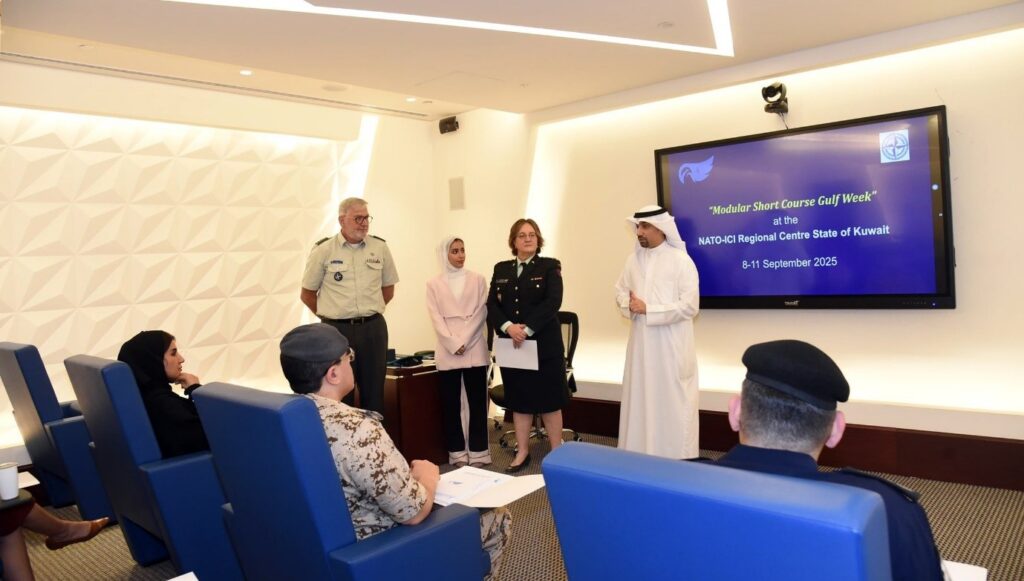
As hybrid threats reshape the global security landscape, traditional alliance models are increasingly inadequate to manage risks below the threshold of armed conflict – particularly in the maritime domain. For NATO and the Gulf Cooperation Council (GCC), defence diplomacy provides a practical response to this challenge.
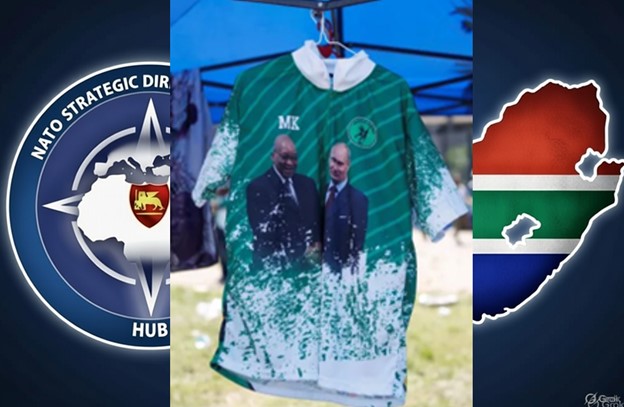
South Africa’s democratic openness, combined with developmental ambition and diplomatic reach, creates opportunities but also heightens exposure to foreign influence. These vulnerabilities align with NATO’s concerns over the grey zone, where influence and coercion operate just below the threshold of war or crisis.
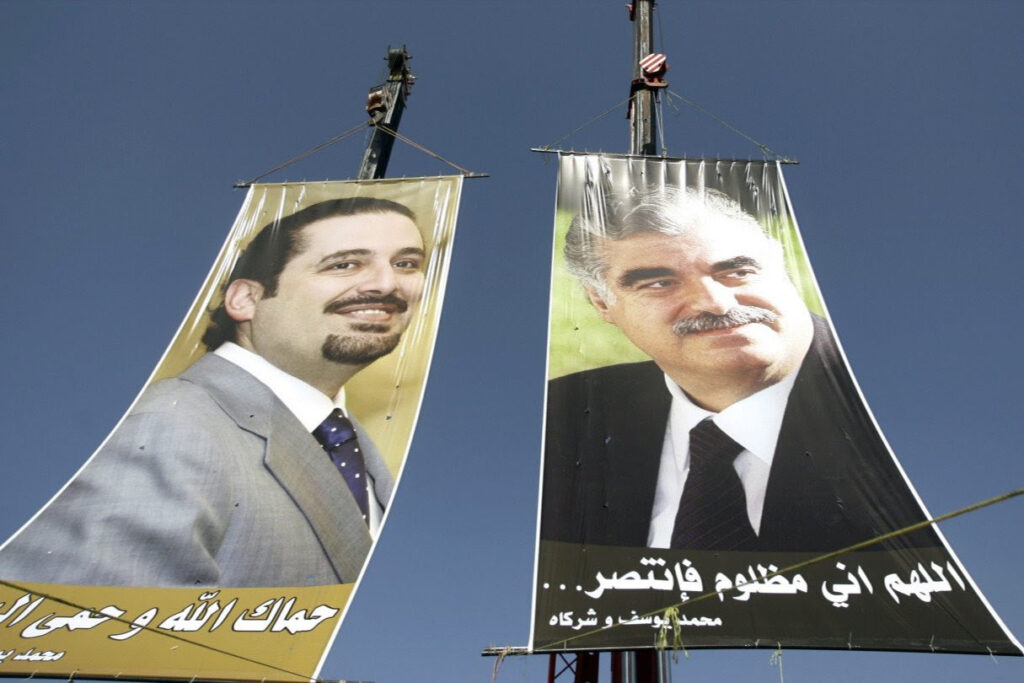
Saad Hariri is hinting at a possible political comeback in Lebanon with the upcoming May general election providing a potential platform for his return after a four-year absence, as he seeks to revive his Future Movement party and reassert influence in a fragmented Sunni political landscape.
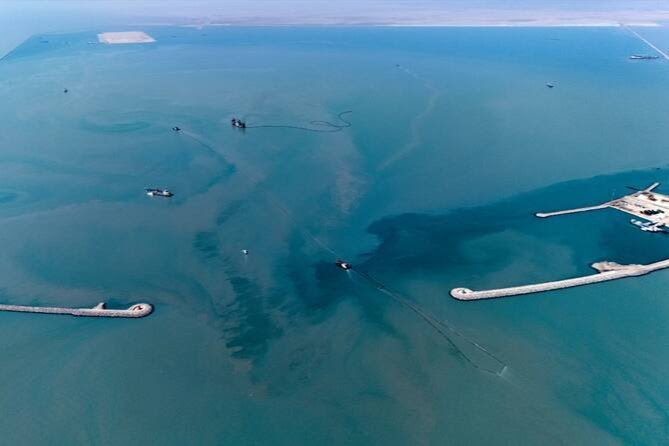
Saudi Arabia has rejected Iraq’s submission to the UN outlining new maritime boundaries, arguing that the proposed coordinates infringe on Kuwait’s sovereignty and affect areas jointly managed by Riyadh and Kuwait, where resource rights are governed by binding bilateral agreements.
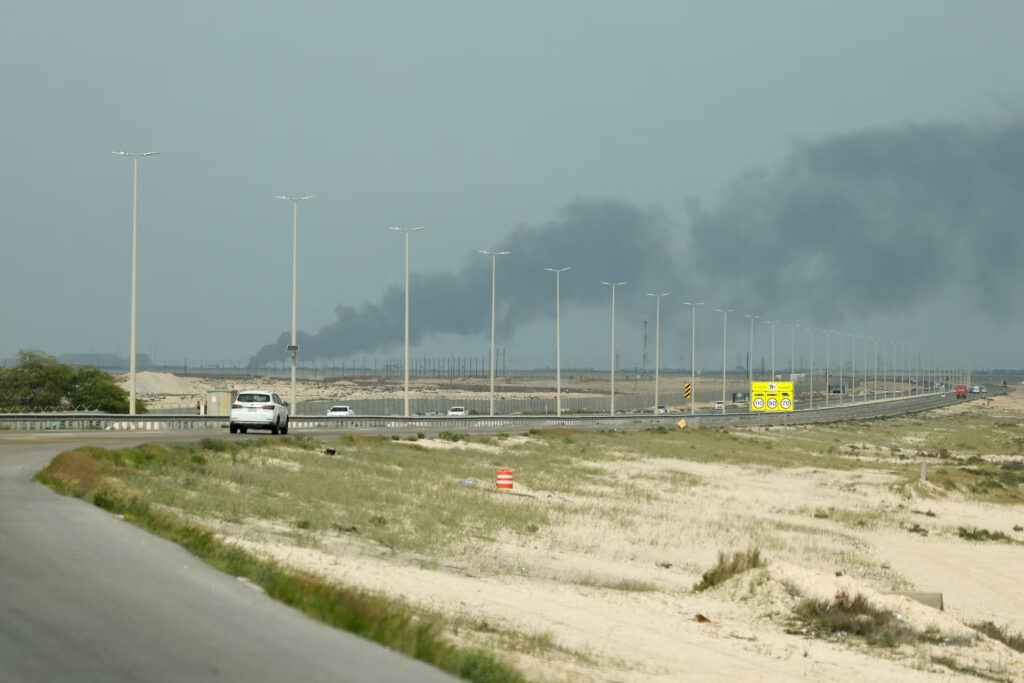
A wave of strikes linked to escalating Iran related tensions has forced major energy shutdowns across the Middle East, disrupting global oil and gas supply chains. Qatar halted LNG production while Saudi Arabia shut parts of the Ras Tanura refinery after a drone strike.
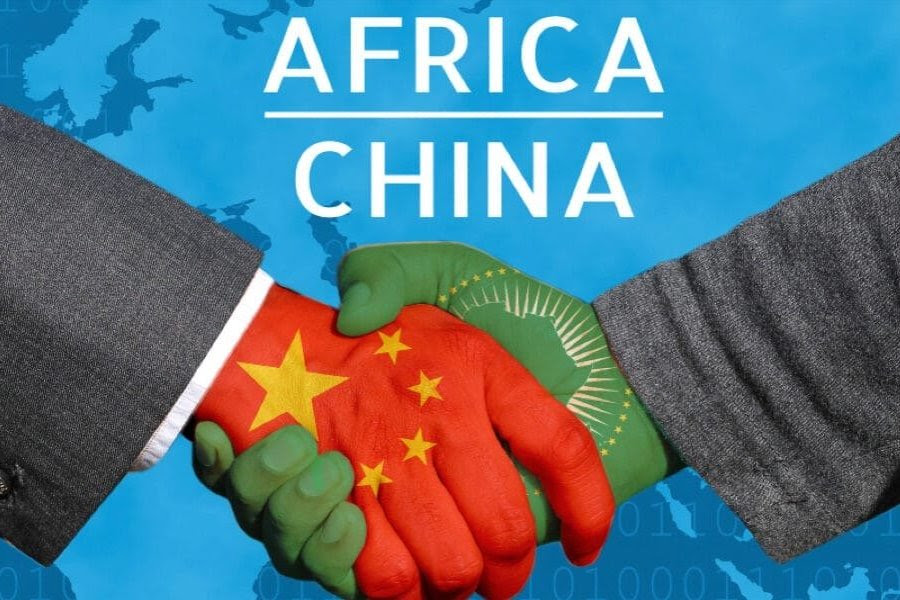
China has announced it will eliminate tariffs on imports from 53 African countries starting May 1, 2026, in a sweeping trade policy shift designed to deepen economic cooperation and open Beijing’s vast market to African exports.
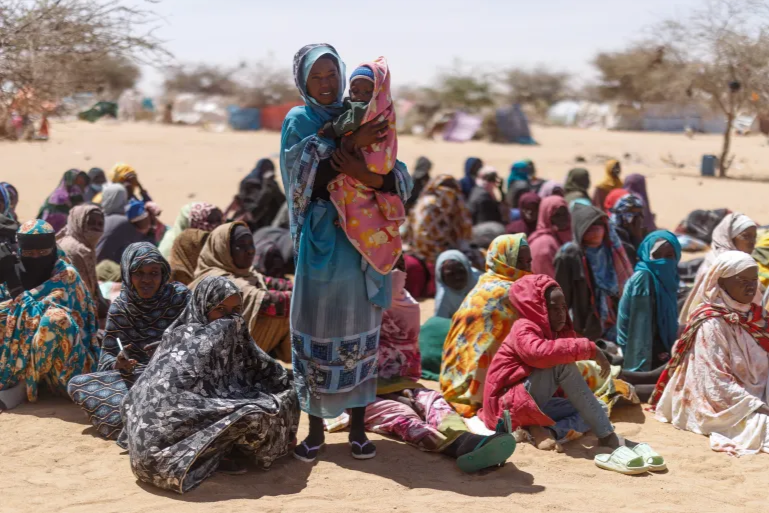
The UN Security Council has voiced deep concern over escalating violence in Sudan, urging an immediate ceasefire and condemning attacks on civilians and humanitarian workers. The war continues to fuel mass displacement and famine risks.
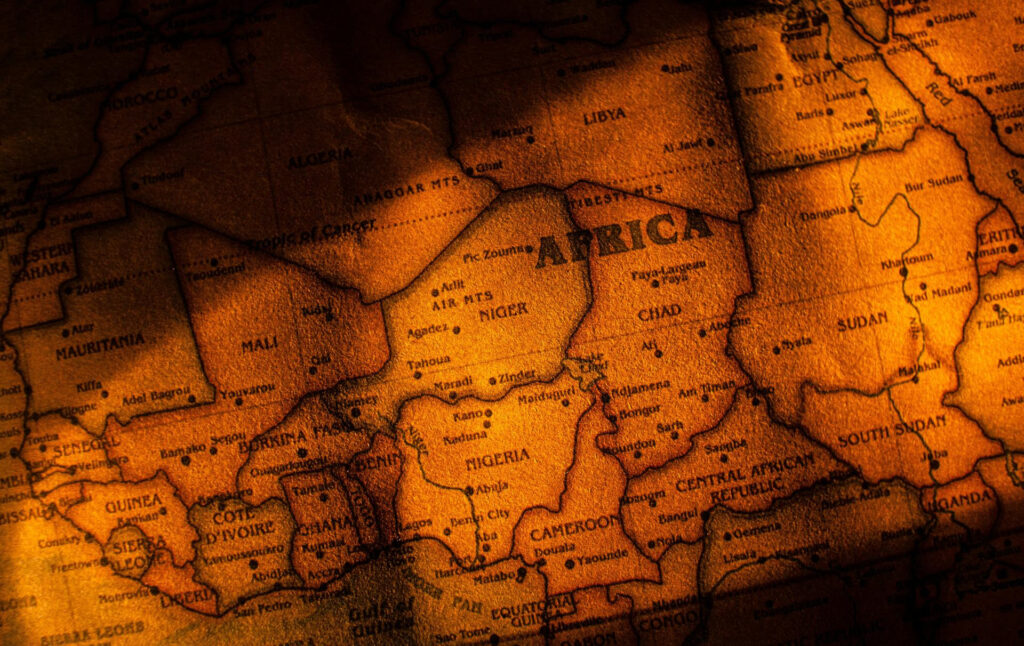
The spread of synthetic drugs in West Africa shows illicit markets contribute in the Sahel to blended threats outpacing weak governments through state actors’ interference and non state organised crime, terrorism and corruption.
This website uses cookies to enhance your experience. Some are essential for site functionality, while others help us analyze and improve your usage experience. Please review your options and make your choice.
If you are under 16 years old, please ensure that you have received consent from your parent or guardian for any non-essential cookies.
Your privacy is important to us. You can adjust your cookie settings at any time. For more information about how we use data, please read our privacy policy. You may change your preferences at any time by clicking on the settings button below.
Note that if you choose to disable some types of cookies, it may impact your experience of the site and the services we are able to offer.
Some required resources have been blocked, which can affect third-party services and may cause the site to not function properly.