

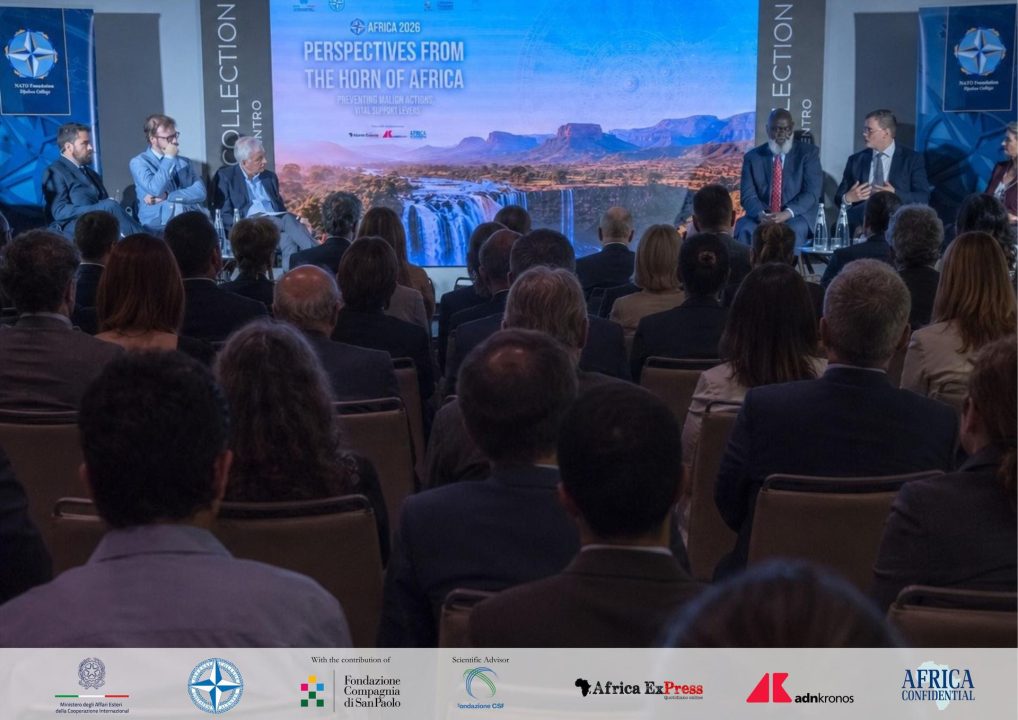
What does the Horn of Africa teach us about the future of European security? The workshop Perspectives from the Horn of Africa, brought together practitioners and analysts to assess a region at breaking point. With the Strait of Hormuz cutting oil transit by roughly 70% and the Bab el-Mandeb still disrupted by Houthi activity and resurgent piracy, the Horn has become the epicentre of compounding maritime crises with direct implications for European security. Participants flagged the end of US funding for UNSOS logistics as an urgent concern, warned of a possible domino effect stretching from Tigray to Chad, and stressed that military force alone cannot substitute for African-owned political solutions and stronger NATO-EU-AU-IGAD coordination.
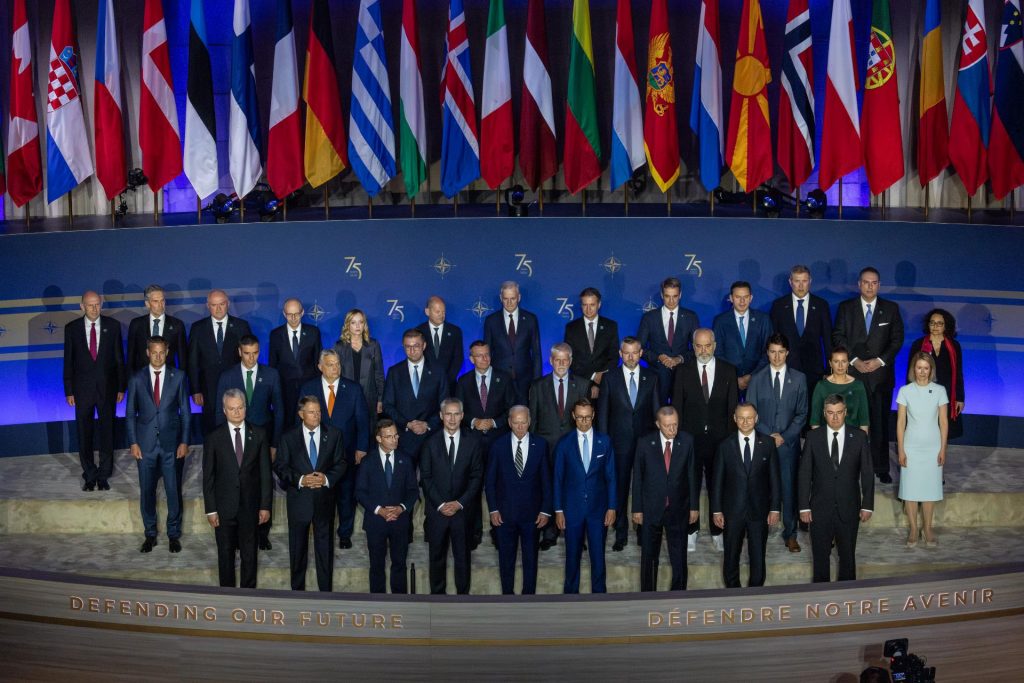
Despite public tensions over contentious bilateral issues, the Ankara Summit delivered what NATO summits need most: a credible projection of unity to adversaries in Beijing and Moscow, while reaffirming Turkey’s role as an indispensable ally at the crossroads of Europe, the Eastern Mediterranean and the Middle East. Jason Pack argues that personal diplomacy among key European leaders proved as strategically decisive as any formal communiqué, quietly steering transatlantic relations back toward the Alliance while keeping focus on defense spending, emerging technologies and hybrid threat resilience.
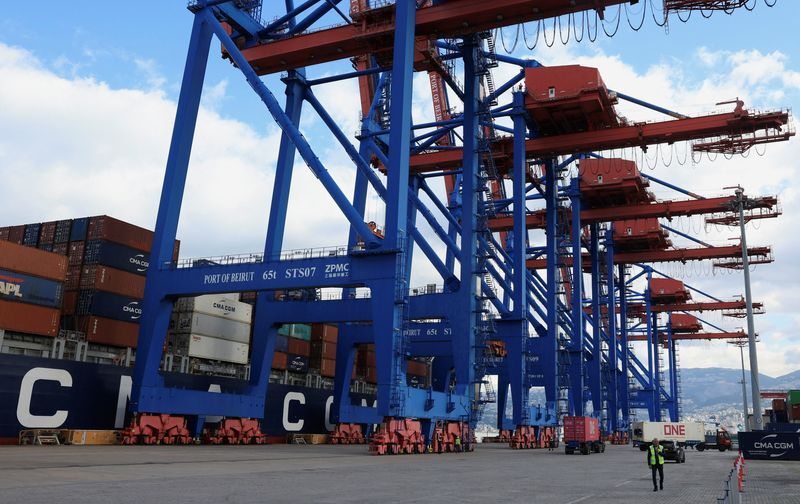
Lebanon and Syria have launched a formal review of over 40 trade agreements dating back to the Assad era, with Beirut’s economy minister describing the bilateral relationship as having the potential to be measured in the billions rather than its current $250 million. The reset, which follows the end of nearly half a century of Assad family rule, aims to revive land transit routes critical to both countries for reaching Jordan and the Gulf, and could eventually lead to a broader bilateral trade deal that addresses longstanding tariff imbalances and logistical barriers.
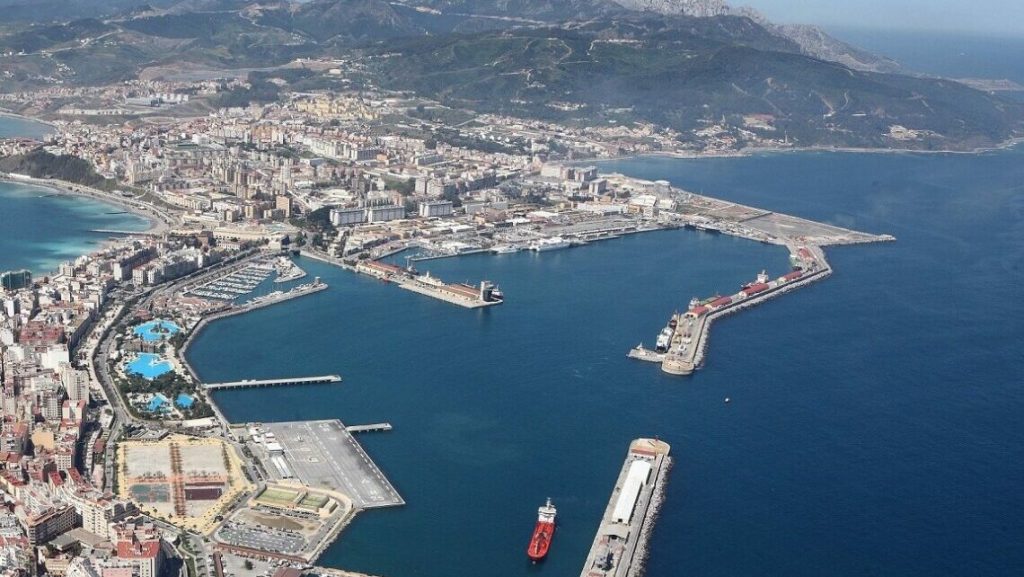
A Spanish intelligence report has credited close Morocco-Spain security coordination with repeatedly preventing terrorist attacks in the enclave of Ceuta, a strategic gateway from North Africa into Europe that has long been a high-priority zone for Spanish security forces. The latest raids exposed a shift toward more diffuse online radicalization networks, harder to dismantle than traditional cells, with Spain recording 37 counterterrorism operations and 68 arrests in the first six months of 2026 alone, a figure that underscores the sustained intensity of the jihadist threat.
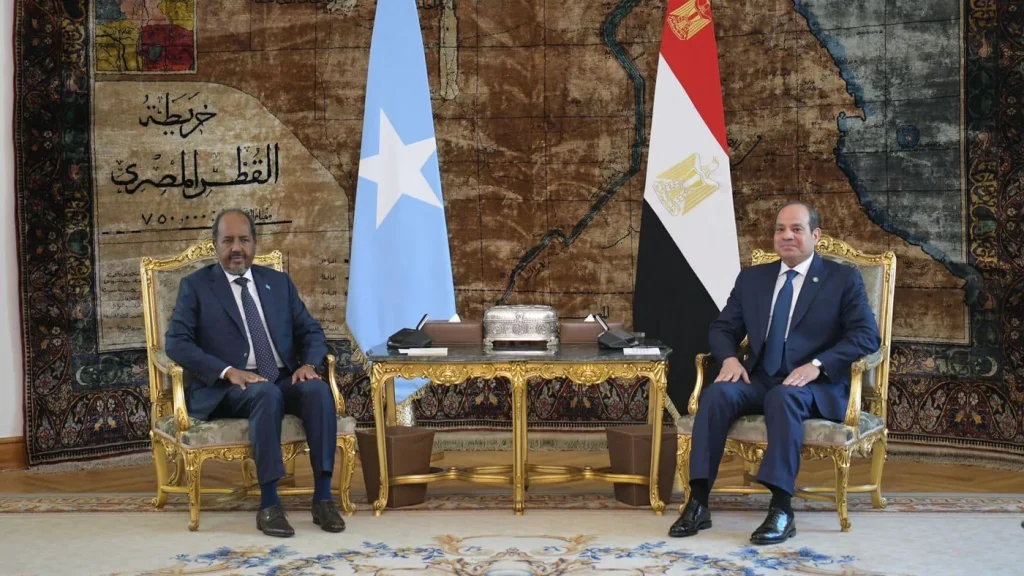
Somalia has signed a maritime MoU with Egypt, extending a growing alignment that now stretches from the Gulf of Suez to the Gulf of Aden and already includes Eritrea following a June defence cooperation summit in Cairo. The partnership, which analysts describe as an emerging axis capable of exerting coordinated pressure on Ethiopia from multiple fronts, compounds Addis Ababa’s frustration over its lack of Red Sea access and the unresolved dispute over the Grand Ethiopian Renaissance Dam.
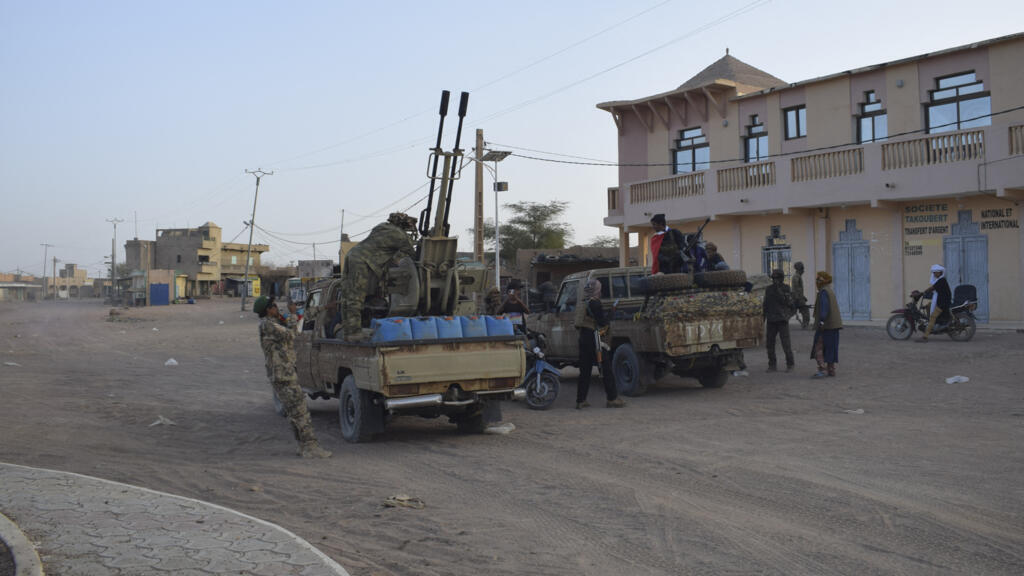
Tuareg separatists and JNIM jihadists have ambushed two successive reinforcement convoys heading to relieve Russian Africa Corps mercenaries and Malian troops besieged at a military camp in Anefis, a town vital to controlling the strategic northern stronghold of Kidal. The attacks, described by FLA as targeting a force composed 90 percent of Russian mercenaries, underscore the deepening crisis for the junta and its Moscow allies following the fall of Kidal two months ago, and raise serious doubts about Russia’s capacity to turn the tide in the Sahel.
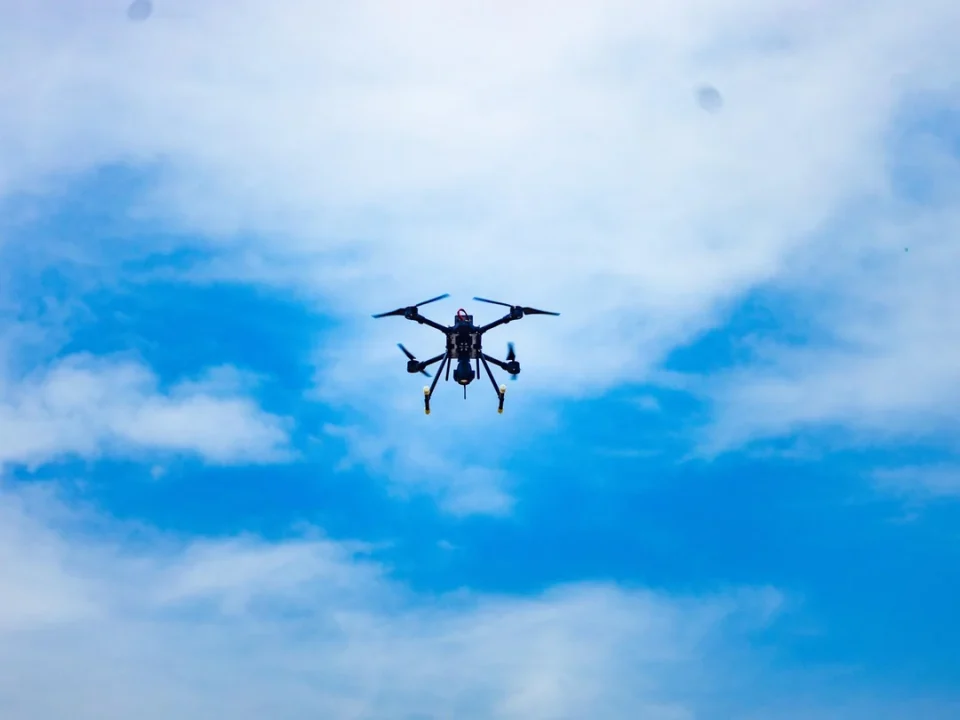
A military flare-up over Sanaa airport has shattered Yemen’s fragile four-year truce, raising the prospect of the Houthis moving to block the Bab al-Mandeb Strait at the very moment the Strait of Hormuz remains effectively closed. A simultaneous shutdown of both waterways would cut off roughly 25 percent of global oil and gas supply, force ships to reroute around the Cape of Good Hope, and neutralise Saudi Arabia’s East-West Pipeline bypass, plunging energy markets into a crisis analysts describe as a calculated pincer movement by Iran and its regional allies.
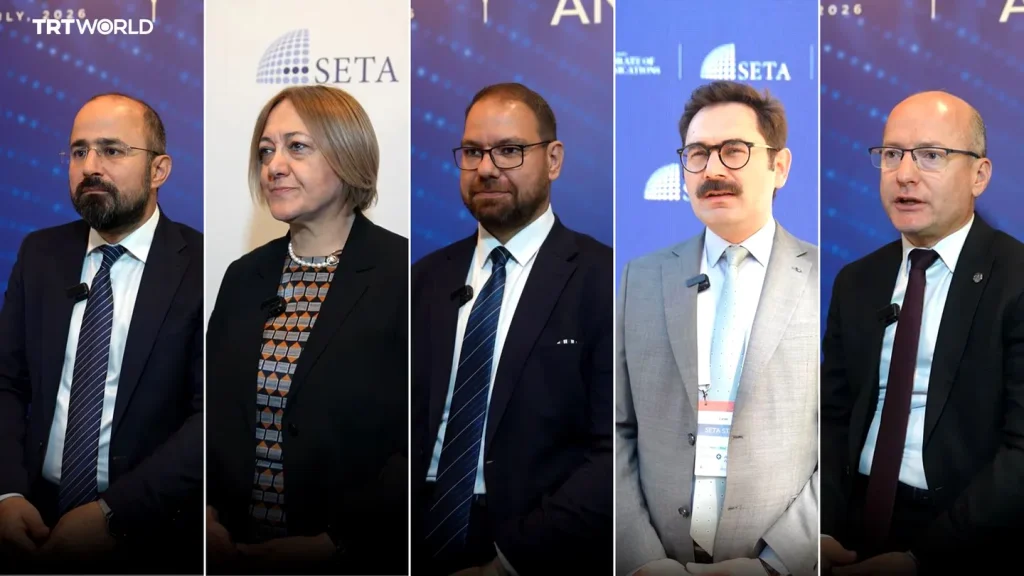
The Iran-US war and the threat to the Strait of Hormuz have fundamentally shifted NATO’s strategic calculus, pushing the southern flank to the top of the Alliance’s agenda in ways that analysts say can no longer be separated from European security. Experts at the Ankara Summit sidelines argued that Turkey’s geographic position, regional diplomatic reach and expanding defence industry have made it an increasingly indispensable player, with Ankara championing the twin concepts of regional ownership and regional resilience as guiding principles for NATO’s evolving southern strategy.
This website uses cookies to enhance your experience. Some are essential for site functionality, while others help us analyze and improve your usage experience. Please review your options and make your choice.
If you are under 16 years old, please ensure that you have received consent from your parent or guardian for any non-essential cookies.
Your privacy is important to us. You can adjust your cookie settings at any time. For more information about how we use data, please read our privacy policy. You may change your preferences at any time by clicking on the settings button below.
Note that if you choose to disable some types of cookies, it may impact your experience of the site and the services we are able to offer.
Some required resources have been blocked, which can affect third-party services and may cause the site to not function properly.