

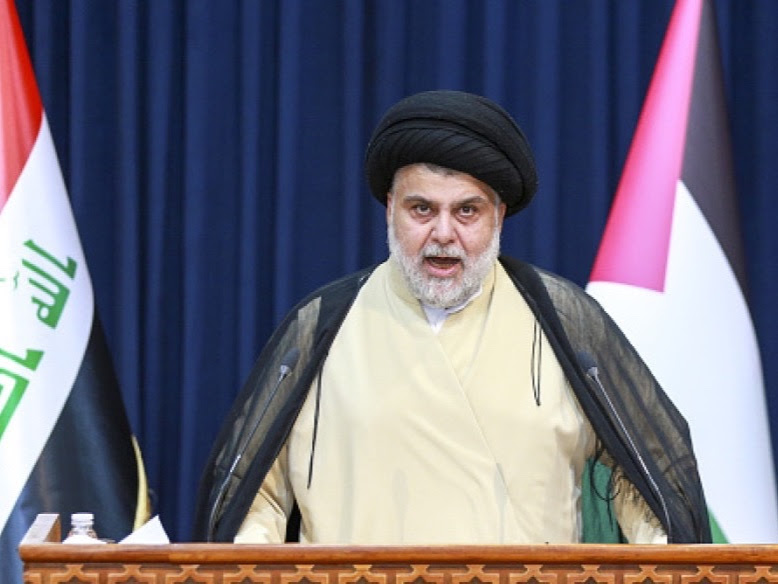
Muqtada Al-Sadr has announced the dissolution of his armed faction Saraya al-Salam and its integration into Iraqi state institutions, lending crucial political momentum to PM Al-Zaidi’s effort to consolidate weapons under state control. The move, widely seen as a significant realignment by one of Iraq’s most influential figures, has pressured other Iran-linked factions to follow suit, with several showing flexibility on disarmament. However, Kataib Hezbollah and Harakat al-Nujaba remain the notable holdouts, and key implementation details, including which security agencies will absorb thousands of fighters, have yet to be clarified, leaving the long-term success of the disarmament drive far from guaranteed.
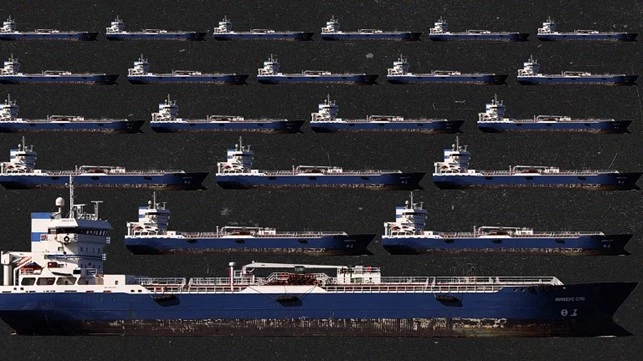
Around 200 Ukrainian operatives are reportedly deployed in western Libya under an agreement with GNU Prime Minister Dbeibah, conducting drone strikes against Russia’s shadow fleet in the Mediterranean. Successful hits on the Arctic Metagaz (March 2026) and Qendil (December 2025) tankers, plus a strike off Senegal, signal that operations are expanding well beyond the Black Sea. Libya’s governance vacuum is being exploited as a strategic launchpad, while a growing drone arms race among Libyan factions, with the LNA acquiring Chinese and Turkish systems in violation of the UN arms embargo, poses an increasing threat to NATO’s southern flank.
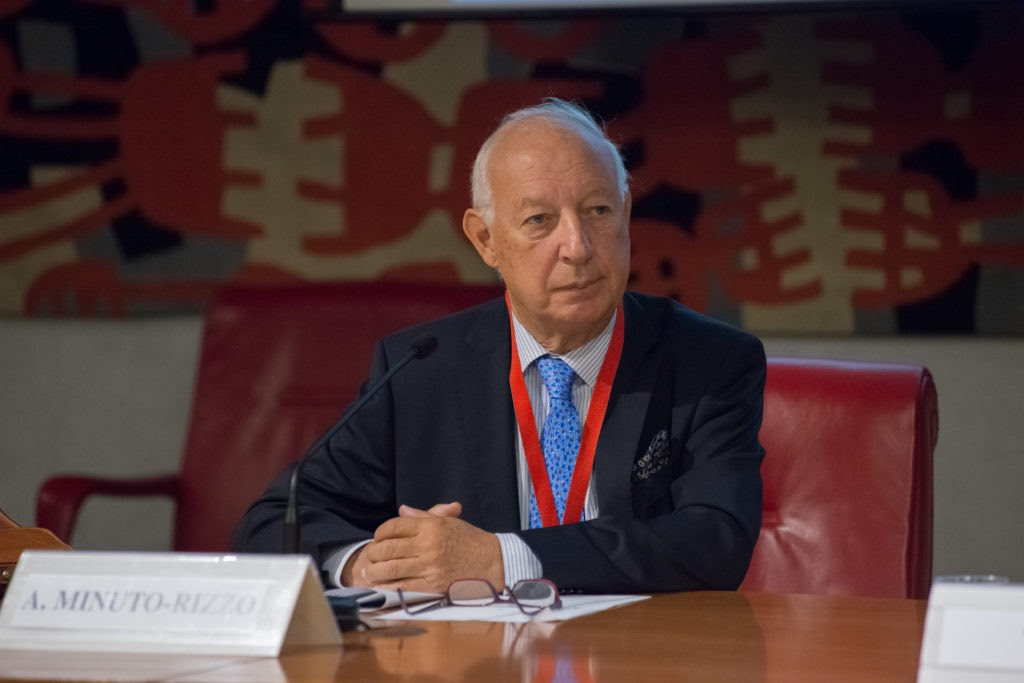
Writing against the backdrop of the ongoing US-Israeli war on Iran, former NATO Deputy Secretary General Alessandro Minuto Rizzo argues that Gulf states can no longer rely on the pre-war regional status quo and must take their destiny into their own hands by building stronger Arab collective frameworks. Neither Israeli regional dominance imposed by force nor Iranian expansionism can be accepted, and Gulf restraint, though pragmatically sound, has not shielded the region from daily missile and drone attacks. Deeper institutional ties with NATO, including by reviving and upgrading the partnership frameworks established at the 2004 Istanbul Summit ahead of the upcoming Ankara Summit, are presented as a complementary tool to support this broader push for Arab unity.
More Info
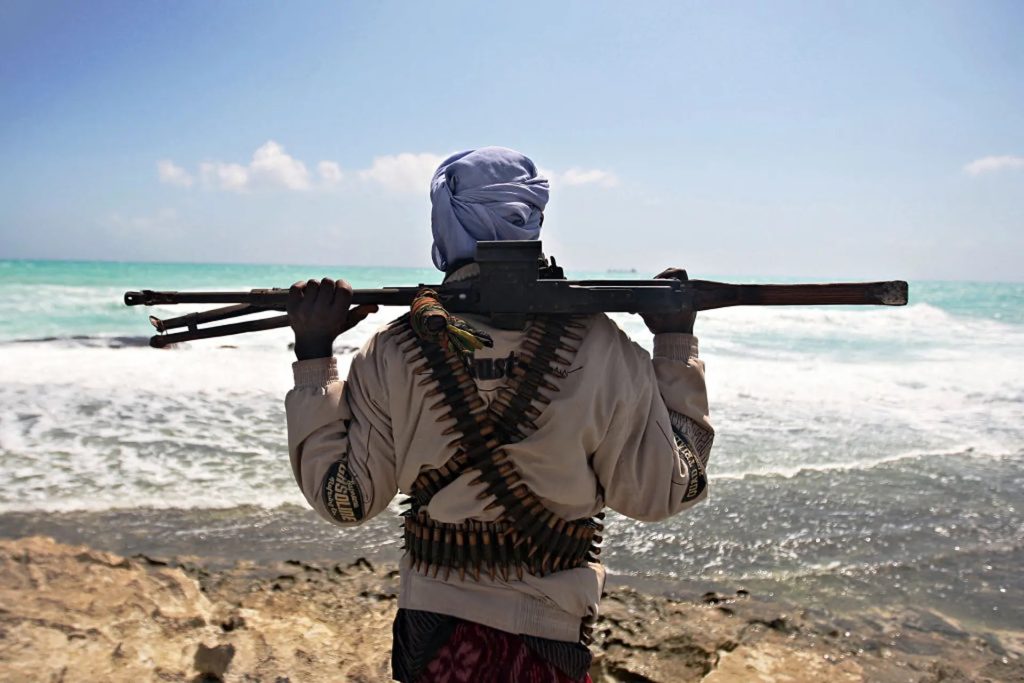
The US-Iran war has shifted Western naval attention toward the Strait of Hormuz, leaving Somali waters increasingly unpoliced and giving pirates a strategic opening. With 18 incidents recorded in 2026 alone, already surpassing last year’s total, the UK Maritime Trade Operations has rated the regional threat as severe. Analysts warn that sustained piracy activity risks fueling Al Shabaab and its growing ties with the Houthis.
Time

Hezbollah has increasingly deployed fiber optic drones against Israeli forces in southern Lebanon, hardwired to their operators via a nearly invisible cable stretching up to 15 kilometers, making them immune to jamming and virtually undetectable. With its rocket arsenal reduced to roughly 10% of pre-war levels, the group has pivoted to this form of asymmetric warfare, leaving the IDF reliant on physical barriers as a still imperfect countermeasure.
CNN
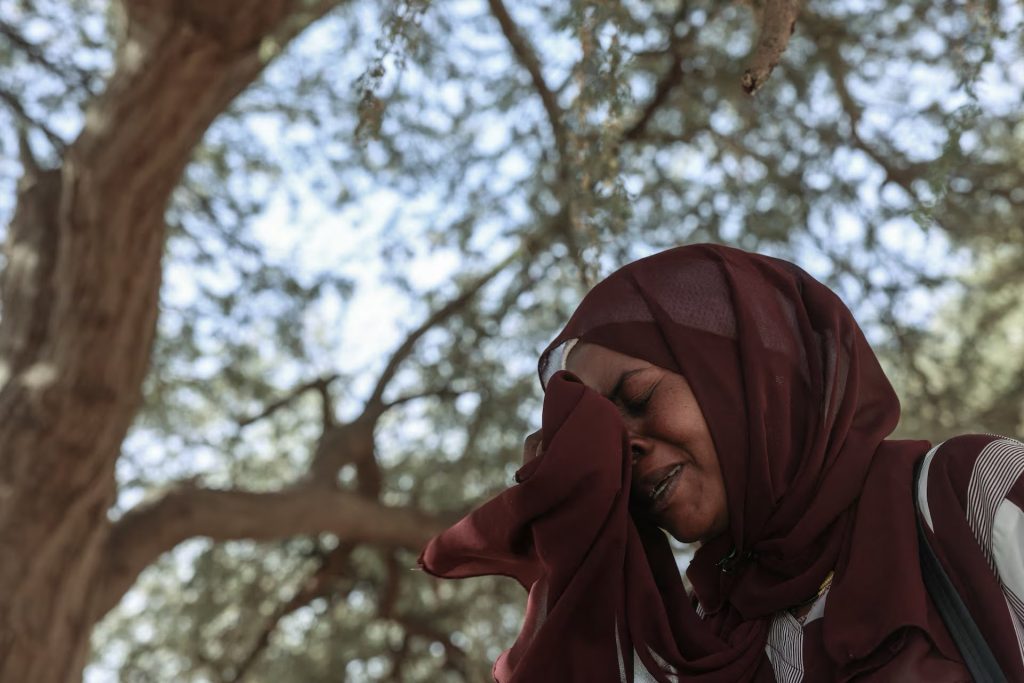
The RSF’s final assault on al-Fashir in late October 2025, following an 18-month siege, drove tens of thousands of civilians into a desperate flight through the desert toward Chad. Survivor testimonies document systematic killings, beatings, and looting, with commander Abu Lulu personally identified in videos executing unarmed civilians.The UN has described the offensive as bearing the hallmarks of genocide.
Reuters
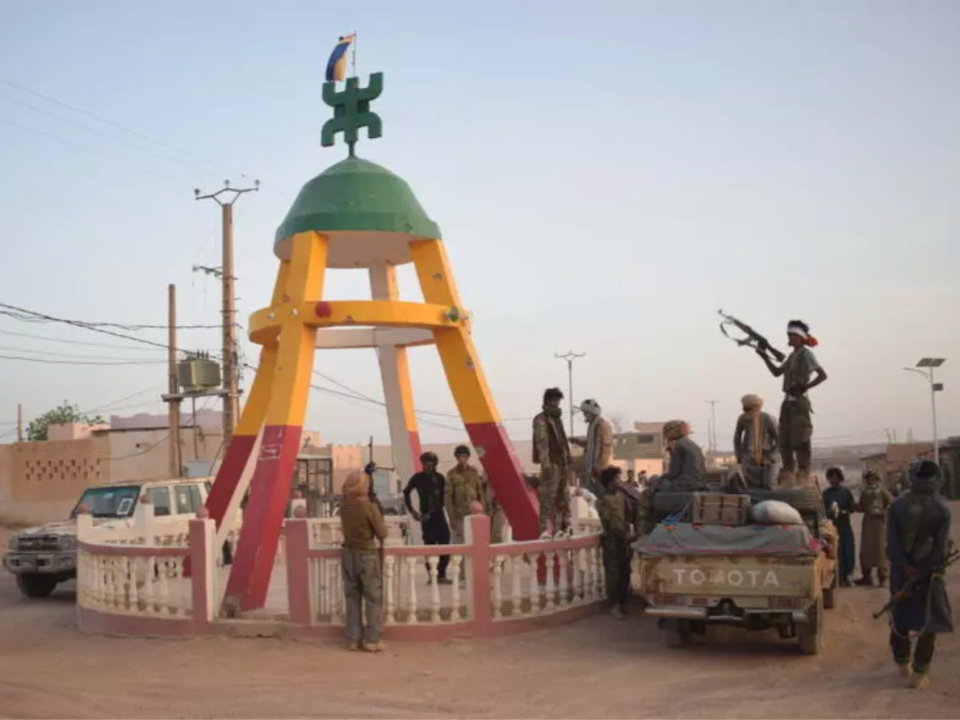
A coordinated dawn offensive by Tuareg separatists and JNIM jihadists has delivered the most severe blow to Mali’s military junta since 2012, killing Defence Minister Sadio Camara in a suicide truck bombing and forcing Russian Africa Corps mercenaries out of the strategic northern city of Kidal. The attacks, which simultaneously targeted Bamako’s airport and several northern towns, expose both the fragility of the junta’s grip on power and the limits of Russian military protection in the Sahel.
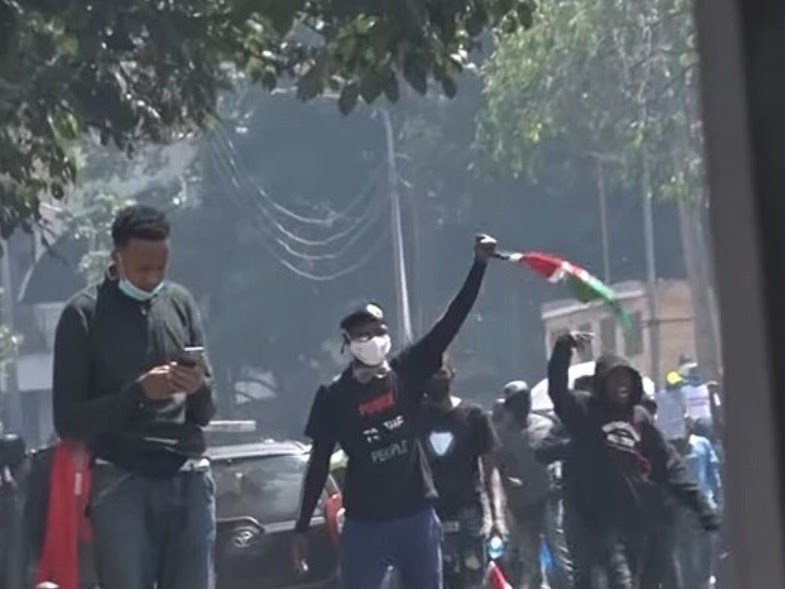
At least 11 African governments have spent over $2 billion on AI-enabled surveillance systems, with equipment supplied largely by Chinese firms and used to monitor activists, track protesters and pre-empt dissent rather than reduce crime. AI lowers the cost of existing authoritarian habits, enabling states to identify and neutralize key organizers before movements even fully form, in contexts where independent courts and oversight mechanisms remain too weak to provide meaningful checks.
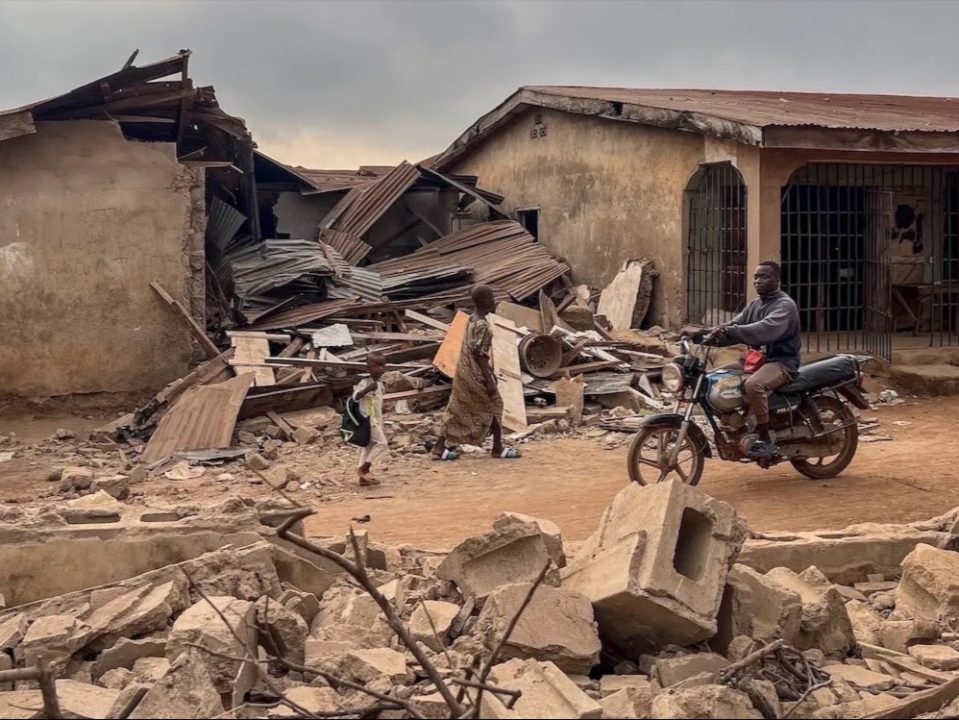
Recent joint US-Nigerian airstrikes have killed 175 militants and eliminated a top ISWAP leader, but experts warn the campaign risks repeating the Sahel playbook if it fails to address the structural drivers of an insurgency now fueling a broader ransom economy across the country. With Nigeria home to the world’s largest out-of-school child population, analysts caution that Washington’s framing of the operation around protecting Christians could actively boost jihadi recruitment.
Foreign Policy
This website uses cookies to enhance your experience. Some are essential for site functionality, while others help us analyze and improve your usage experience. Please review your options and make your choice.
If you are under 16 years old, please ensure that you have received consent from your parent or guardian for any non-essential cookies.
Your privacy is important to us. You can adjust your cookie settings at any time. For more information about how we use data, please read our privacy policy. You may change your preferences at any time by clicking on the settings button below.
Note that if you choose to disable some types of cookies, it may impact your experience of the site and the services we are able to offer.
Some required resources have been blocked, which can affect third-party services and may cause the site to not function properly.