“The spirit of our endeavour is, To strive, to seek, to find and not to yield”

Alessandro Minuto-Rizzo, President

Force majeure

Source: New Yorker.
Source: New Yorker.
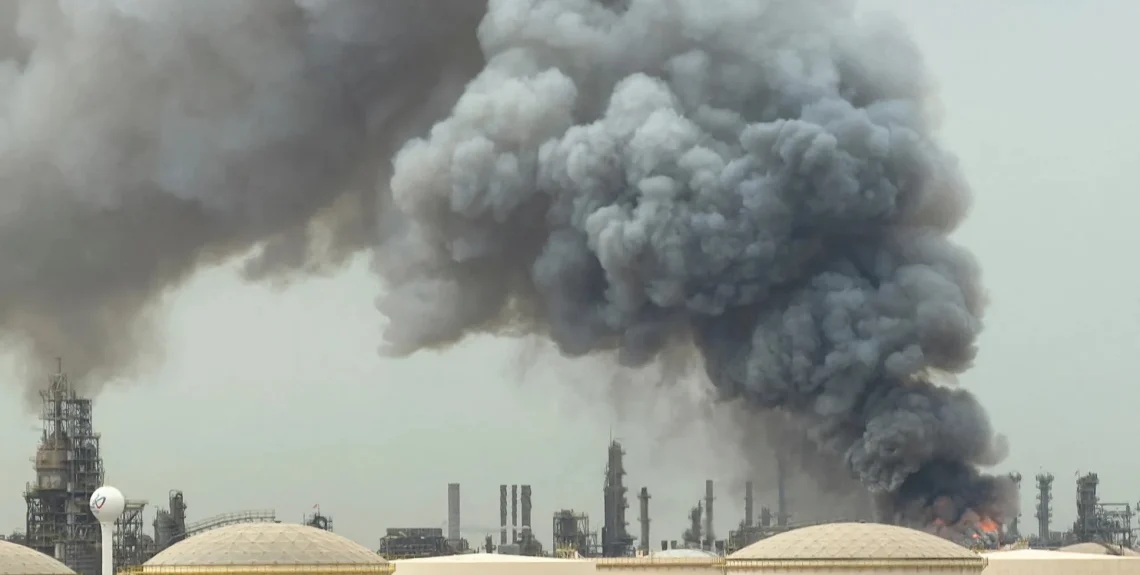
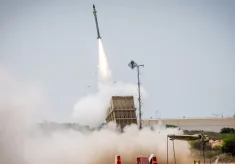
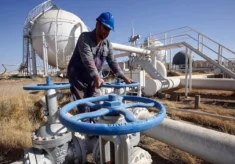
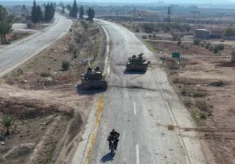
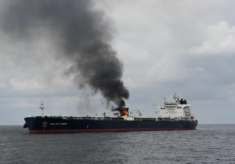
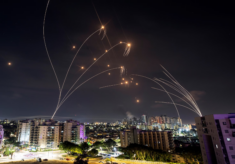
The new Gulf war that erupted on 28 February 2026, following Israeli and United States strikes on Iran, has not spared energy facilities and infrastructure, which have been increasingly targeted during the conflict. Attacks by Tel Aviv and Washington have indeed been met with a response from Tehran, mainly consisting of swift retaliation against Western targets in the region, such as air and military bases, but also oil and gas fields, as well as refineries and industrial complexes in neighbouring countries. As they pursue the ambitious diversification of their economies under their Vision 2030 plans, the Gulf’s petro-monarchies have thus found themselves in the crosshairs, becoming collateral damage in an Iranian strategy aimed at internationalising the conflict.
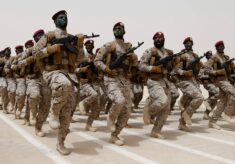
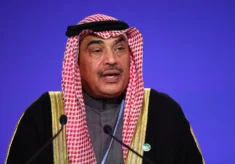
Members of the Gulf Cooperation Council (GCC) have so far refrained from retaliating against Iran, condemning the attacks and limiting escalation to public statements. Nevertheless, the latest developments may represent a step too far, with the potential to shift the strict neutrality adopted by Gulf states towards intervention. The missile attacks launched by Iran against the Ras Laffan Industrial Complex (the largest liquefied natural gas facility in the world) in Qatar on 18 March represent a “red line” moment. As QatarEnergy considers declaring force majeure, the ripple effects are already being felt in Brussels and Rome, highlighting the vulnerability of the energy supply chains of major NATO members to instability in the Gulf.
Iran’s attack came in response to an Israeli strike hours earlier against the adjacent South Pars gas field, which also targeted petrochemical facilities. Israel’s action, which represented the first assault on Iranian energy facilities since the start of the war, not only marked a dangerous escalation in a region where critical infrastructure is coming under fire, from Bahrain and Kuwait to Iraq and Saudi Arabia; it also opened a rift between Tel Aviv and Washington, made more visible after US President Trump stated that he had not been informed about Israel’s attack on South Pars and that he had asked Prime Minister Netanyahu to refrain from further strikes on Iranian energy facilities.
The episode confirms that, even if Israel and the US may share the same war aim, the global energy crisis may drive them along diverging paths. Netanyahu has led Israel down the path of military confrontation with Iran and its proxies ever since the brutal attacks launched by Hamas on 7 October 2023 and the subsequent conflicts in Gaza, Lebanon and the wider region. Engaging in a prolonged war, could consolidate his political position ahead of general elections later this year.
On the other hand, oil prices hovering around US$100 per barrel represent a serious prospect for Mr Trump, who is approaching the mid-term elections in November 2026. Spiralling inflation may cost him his majority in the US Congress, at a time when dissension is visible also within his own administration and party. A relatively quick end could be possible for this war, albeit consequences will have grave repercussions in the long-term.

Share on

Archive

JANUARY

FEBRUARY

MARCH

APRIL

MAY

JUNE

JULY

AUGUST

SEPTEMBER

OCTOBER

NOVEMBER

DECEMBER

JANUARY

FEBRUARY

MARCH

APRIL

MAY

JUNE

JULY

AUGUST

SEPTEMBER

OCTOBER

NOVEMBER

DECEMBER

JANUARY

FEBRUARY

MARCH

APRIL

MAY

JUNE

JULY

AUGUST

SEPTEMBER

OCTOBER

NOVEMBER

DECEMBER

Subscribe to our newsletter

Newsletter