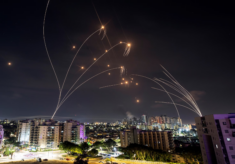
The 12-day war between Iran and Israel may have come to an end with the ceasefire reached on the 24th of June 2025, following the swift and impressive intervention of the USA against Iranian nuclear sites at Fordow and Natanz. However, the long-term confrontation between Tel Aviv and Tehran is likely to be merely on pause. While it remains unclear how severely damaged the nuclear facilities are and how much enriched uranium may have been spared from destruction, Iranian proxies still active in the Middle East have resumed their operations against Israel, targeting Tel Aviv’s Ben Gurion Airport with a ballistic missile on 22 July.
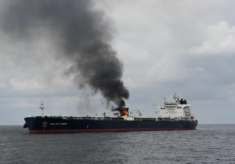
Intercepted by the Israeli Defence Forces (IDF), the missile was launched from Yemen, where the Houthi rebels (also known as Ansarullah) have largely escaped the repercussions of Tel Aviv’s military campaign against Tehran’s regional proxies. Compared to the fate of Hezbollah (whose top leadership has been partly wiped out by the IDF’s strikes in Lebanon) or Hamas (apparently crushed under the relentless pressure of Israeli military operations in Gaza), the Houthis have retained a considerable freedom of manoeuvre, not unlike that enjoyed by Iranian-affiliated groups in Iraq, which, contrary to expectations, have remained largely inert during the 12-day war.
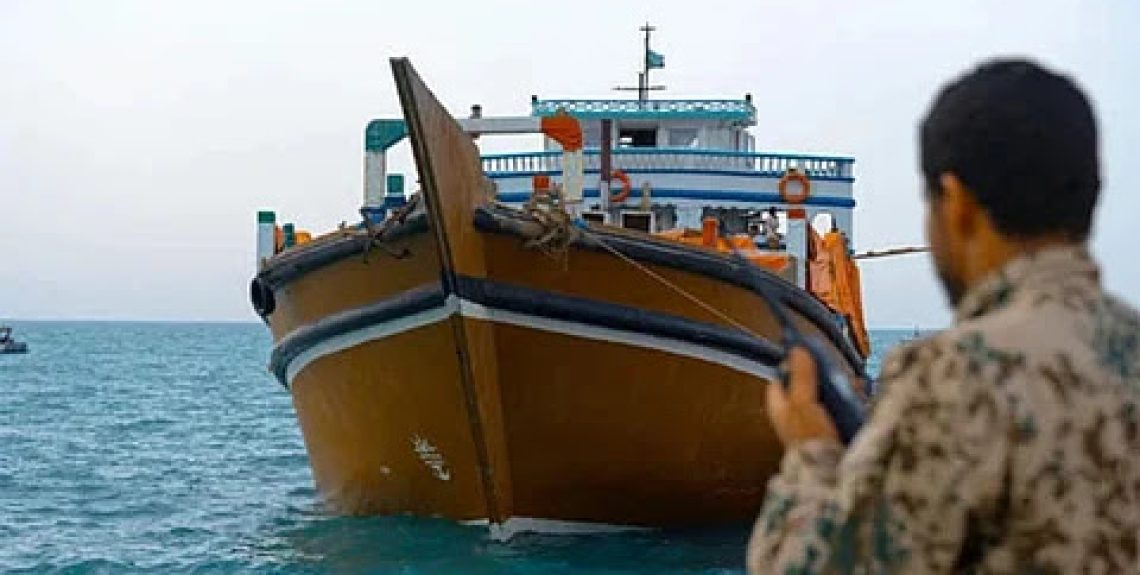
The US Central Command (CENTCOM) confirmed seizure of a shipment of arms, bound for Yemen in mid-July sheds light on the fragile truce in place. The vessel contained: 750 tons of munitions and hardware, including hundreds of advanced cruise missiles, Iranian-made Qader anti-ship missiles, anti-aircraft missiles, warheads and seekers, various components, as well as hundreds of drone engines, parts for the Saqr air defence systems (used by the Houthis to bring down US MQ-9 Reaper drones), radar systems, and communications equipment. The shipment was intercepted by the National Resistance Force (NRF), a military coalition affiliated with the internationally recognised government of Yemen.
Similar seizures have recently been announced in Lebanon and Syria, where the Iranian-backed axis of resistance has been diminished but not vanquished by the just-military approach adopted by the embattled Israeli prime minister Benjamin Netanyahu. The latest interceptions clearly highlight Iran’s struggles to supply its network of proxies, which has been severely weakened following the recent round of fighting. At the same time, Tehran’s decision to resume its proxy strategy to confront Israel casts a shadow over the future trajectory of the conflict, which is prone to flare up again due to the volatility and enduring fragmentation that leave the Middle East devoid of any coherent security architecture.
It is highly improbable an Israeli-dominated regional order will get any buy-in from local governments and communities still reeling from protracted civil wars and intractable conflicts across the region. The lack of incentives helps explain the resilience of Iranian proxy groups such as the Houthis, who continue to thrive in this challenging environment. Distance from Israel’s core interests certainly plays a role, but Tel Aviv’s insistence on a military-first approach (including recent strikes on the Hodeida port) may prove even more counterproductive in the long run, leaving Netanyahu capable of inflicting serious damage on Iranian-affiliated groups, but unable to secure lasting peace.