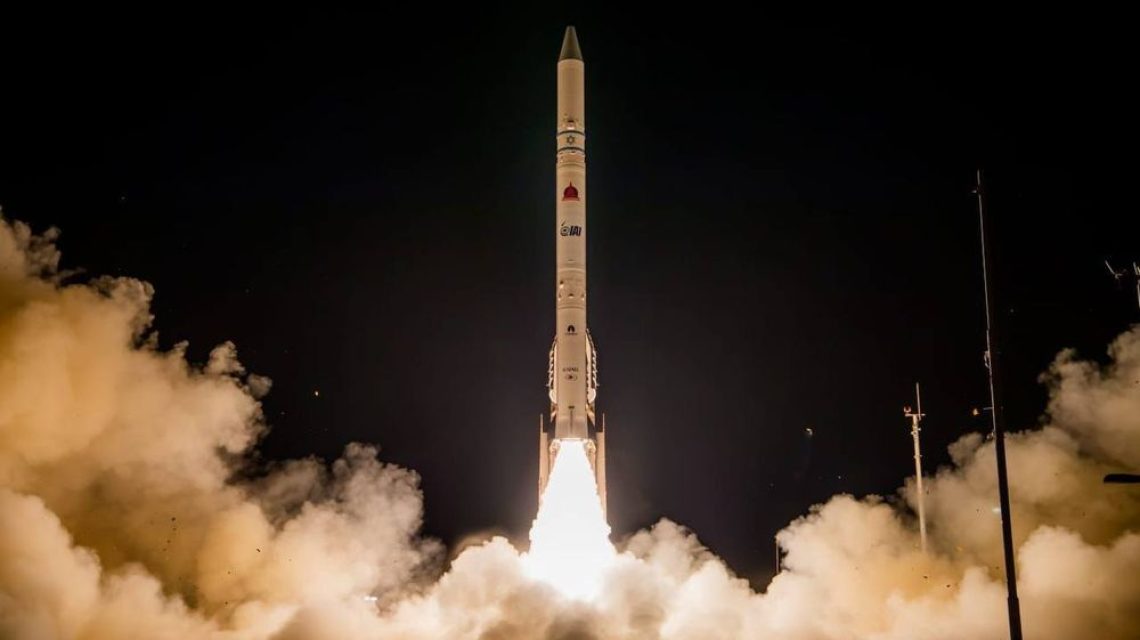
In line with the Abraham Accords (which Morocco joined in 2020 in exchange for the formal US recognition of its sovereignty over Western Sahara), bilateral cooperation between Rabat and Tel Aviv is consolidating, especially in the military domain. First reported by Spanish sources, news about the recent acquisition of two Israeli-made Ofek-13 satellites represents a significant game-changer in the convoluted geopolitics of the Maghreb. The US$1 billion purchase that resulted from a 2024 agreement signed with the Israeli Aerospace Industries (IAI) is likely to fuel the ongoing arms race with Algeria, the rival neighbour that severed diplomatic ties with Morocco in 2021.
The Ofek-13 represents a significant leap forward for Rabat, which has so far relied on the European space industry for its first two satellites. Developed by Thales Alenia and Airbus Defence and Space, the Mohammed VI-A and Mohammed VI-B satellites were launched in 2017 and 2018 respectively, at a cost of US$582 million. They have been so far used for civilian application, including Earth observation and monitoring missions, but also played a key role in bolstering the security of the kingdom along its borders by detecting the movement and activities of non-State armed groups particularly active in the Maghreb and Sahel sub-regions.
Expected to be deliver within the next five years, the Ofek-13 satellites possess advanced technical characteristics that would reinforce the surveillance and intelligence capabilities of Morocco. Equipped with the next generation Synthetic Aperture Radar technology, the Israeli-made satellites allows for 24 hours surveillance, day and night and in spite of weather events such as clouds or even sandstorms. Reaching an image resolution of 0,5 metres (a characteristic offered also by some civil-use satellites), Ofek-13 represents a powerful instrument in the hands of the Israeli Defence Forces (IDF). For instance, it has been extensively used in the run-up to the most recent Operation Rising Lion against Iran and for damage assessment.
Confronted with significant challenges in a region in turmoil, Morocco is likely to make an extensive use of this next generation satellites, particularly in the disputed Western Sahara region. Recent attacks by the Polisario Front, including in Es-Smara, where the 27th of June 2025 mortar shells have been launched by rebels fighting for the independence of Western Sahara, have shown an increased volatility after the end of the ceasefire announced in 2020 by the Saharawi movement. Since then, the Forces Armées Royales (FAR, Moroccan army) has regularly carried out air and drone strike against the Polisario, often using Israeli-made unmanned aircraft vehicles (UAVs).
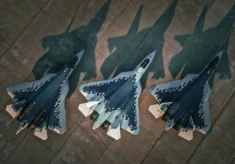
Rabat’s military modernisation and cooperation with Israel has further strained ties with Algiers, which, in addition to staunchly supporting the Polisario Front, categorically rejects any normalisation of diplomatic ties with Tel Aviv. A geopolitical divide that has pushed the Armée Nationale Populaire (ANP, the Algerian army) to raise the stakes with the reported purchase of Russian-made fifth generation aircrafts Sukhoi Su-57 Felon. To which Morocco answered with a rumoured interest to buy the US-made F-35 and the recent acquisition of the Ofek-13 satellites, the latest episode of an ongoing saga that dangerously look like a quest for military predominance in the Maghreb.