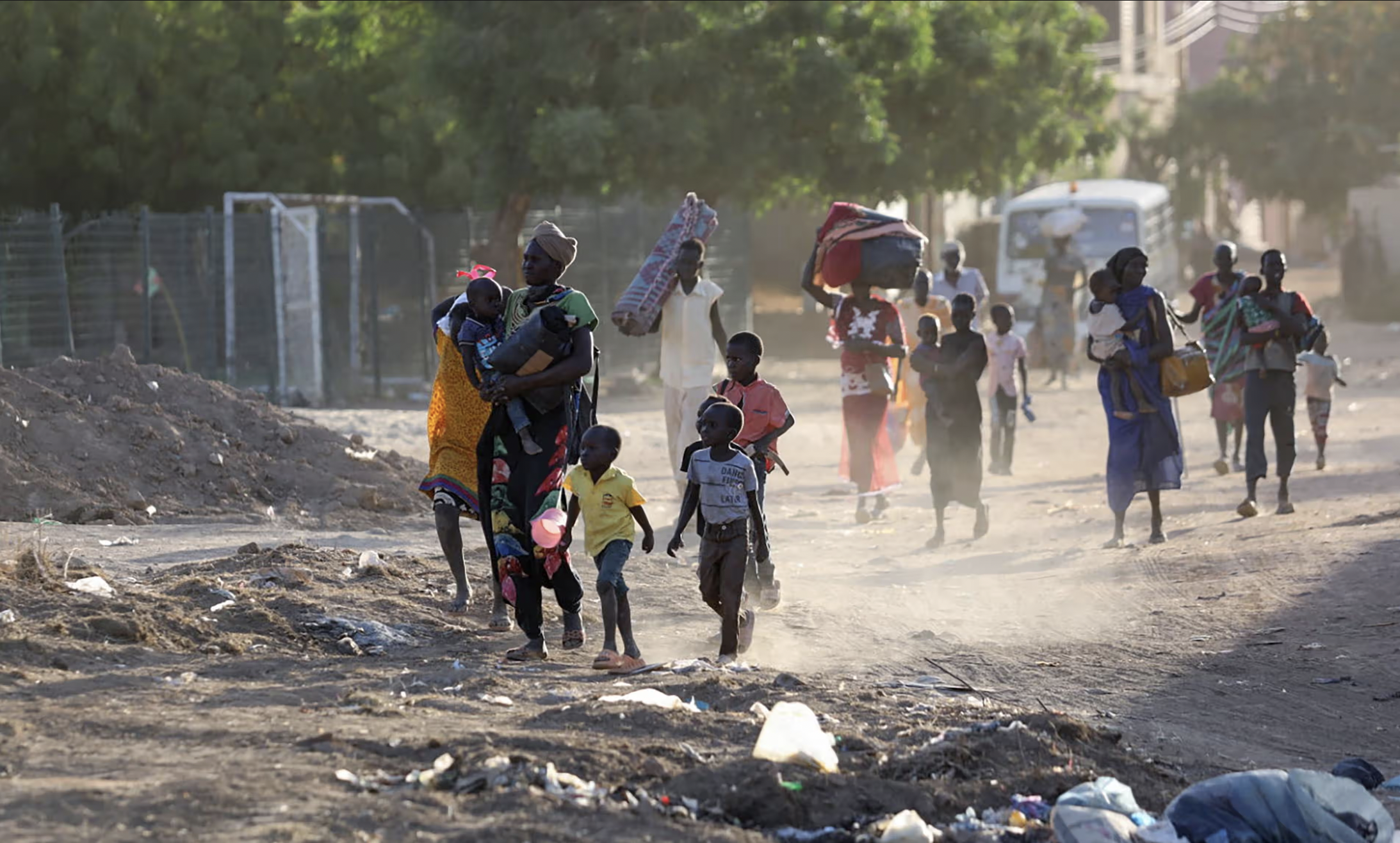
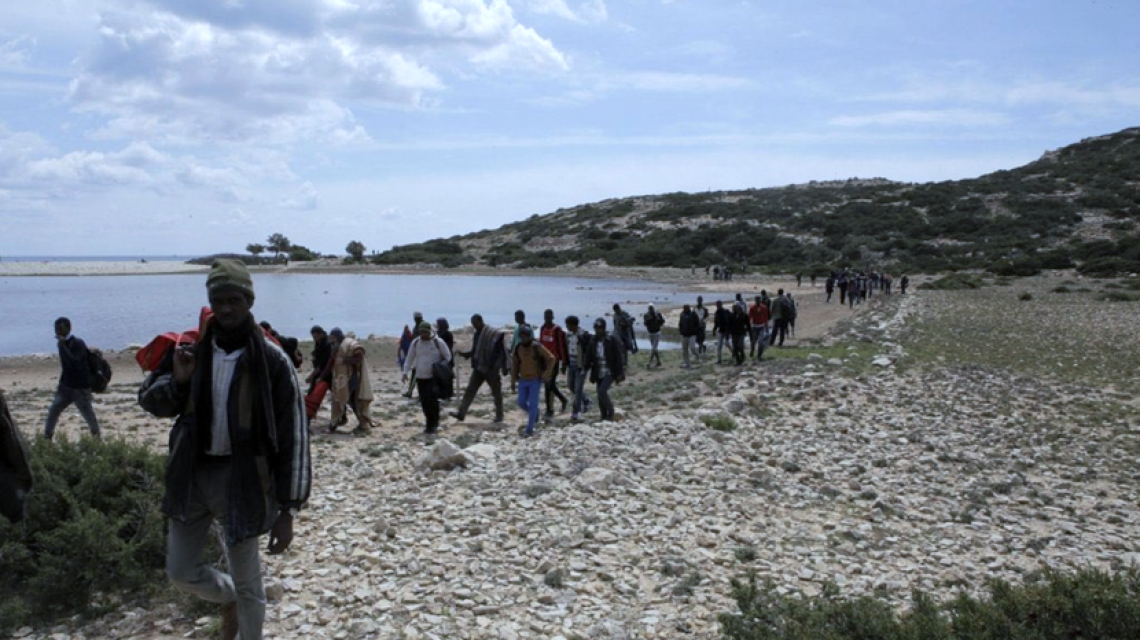
Exacerbated by ongoing conflicts in Africa and persistent instability in the Middle East, migration is likely to remain a dominant theme for EU policymakers, despite evidence suggesting that the number of arrivals has remained steady, if not declined, over the past year. Data released in December by the European Border and Coast Guard Agency (Frontex) indicate that irregular entries into the EU fell by 25% in the first eleven months of 2025, to just over 166.900.
According to Frontex, the Central Mediterranean route remains the busiest migration corridor, accounting for nearly 40% of all irregular entries. While Libya continues to dominate as the main departure point, a notable shift in migration patterns has also emerged, largely driven by the EU’s externalisation policy. Although flows towards Italy have remained broadly unchanged compared to the same period last year, the Libya–Crete corridor has experienced a surge of 260% in the first eleven months of 2025.