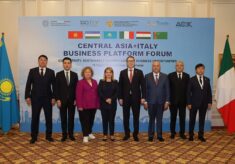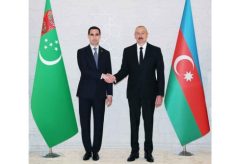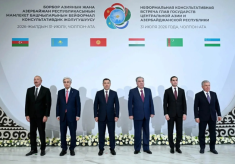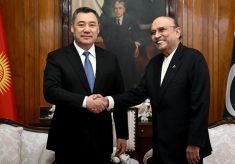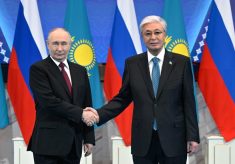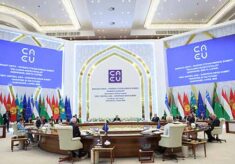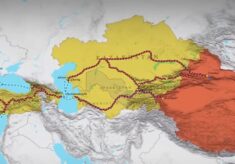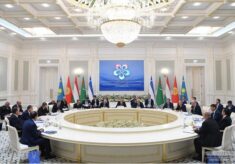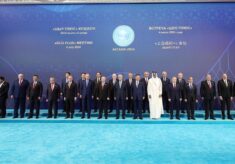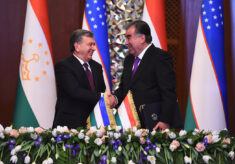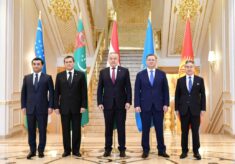





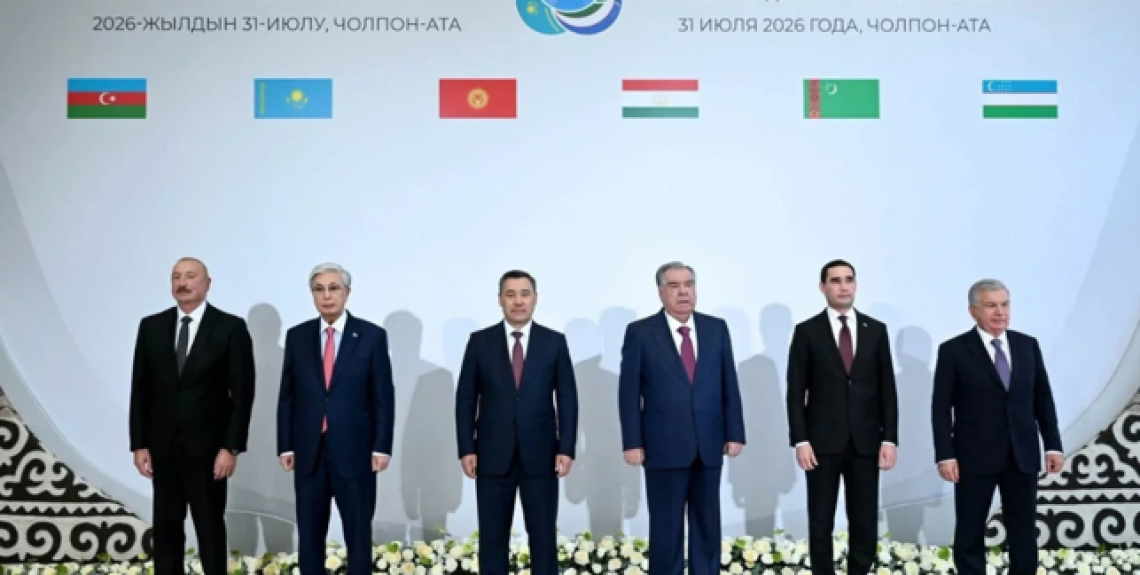
At the end of July, the leaders of the five Central Asian states and Azerbaijan attended an informal consultative meeting of the heads of state in Kyrgyzstan, confirming the long-term credibility of this format of regional dialogue. Indeed, the eighth official consultative meeting of the Heads of State of Central Asia and Azerbaijan will take place at Avaza (Turkmenistan) in early October, but this informal gathering was an interesting opportunity to further calibrate their regional policy agenda. Moreover, for the first time Azerbaijan attended the meeting as a full-fledged member of this format following its admission at the consultative meeting last year, potentially expanding the geographic boundaries of the framework from C5 to C6 (“Central Asian states & Azerbaijan create roadmap for cooperation”, EurasiaNet, August 3, 2026). According to US, Swiss and Azeri think-tanks this format is part of the Greater Caspian Region.
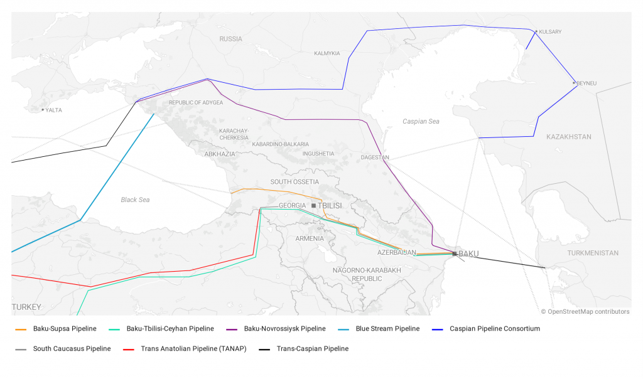
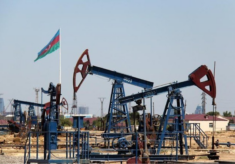
The signing of the Cholpon Ata Declaration (whose official text is not available) has represented the most significant outcome of this meeting, expressing the joint commitment of the six heads of state to strengthen the political dimension of regional cooperation, as the leaders aim to expand cooperation beyond trade to include not only trade but also connectivity (transport and logistics) and energy, which appear to be the main strategic priorities to promote regional cooperation as well as the main areas of interest for external actors.