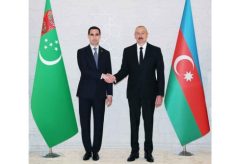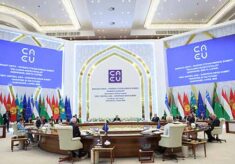






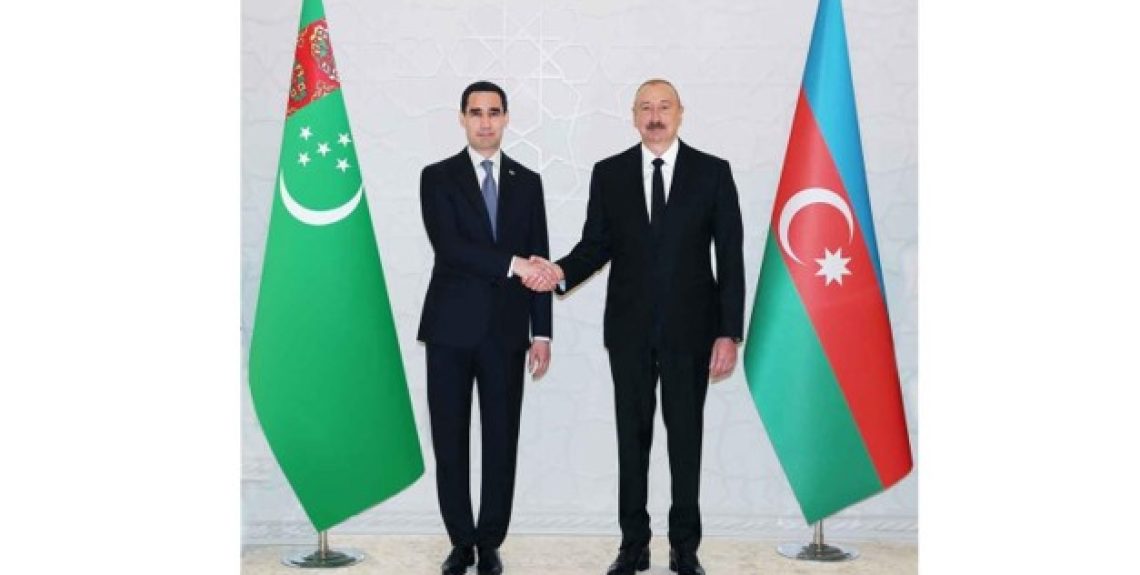
A growing atmosphere of cooperation and political dialogue is positively shaping relations between the countries of Central Asia and the Caucasus, aimed at participating in joint initiatives and projects designed to strengthen regional connectivity, promote intensive economic and trade exchanges, and develop energy cooperation, with a particular focus on the promising mining sector (critical minerals and rare earths) and renewable energy for the production of clean electricity. In this climate of intra-regional cooperation, Azerbaijani President Ilkham Aliyev hosted Turkmenistan President Serdar Berdymukhamedov on the 22th of June in the capital, Baku, for a meeting with positive implications for both bilateral cooperation and the regional perspective.
In addition to a series of significant economic and trade agreements, in the joint final declaration the two presidents discussed an agreement to define technical specifications to simplify the transit of goods and vehicles between the two countries across the Caspian Sea, and a similar agreement to harmonise customs statistics for reciprocal trade. To this end, an intergovernmental commission will meet in July to implement these two important agreements signed in Baku (“Azerbaijan, Turkmenistan Strengthen Ties with Document Exchange Ceremony”, The Caspian Post, June 22, 2026).
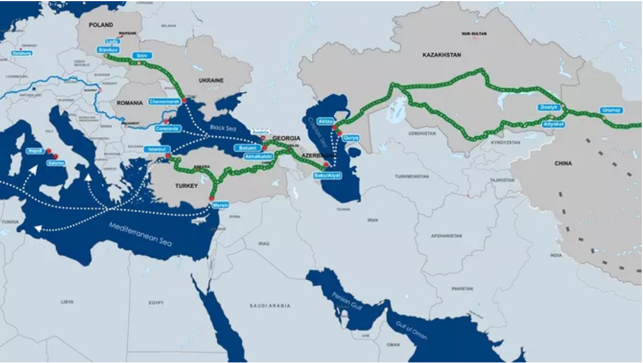
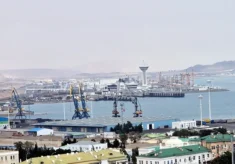
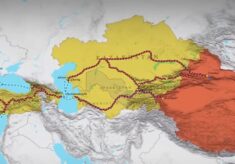
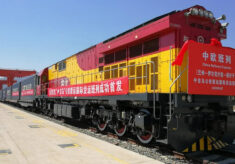
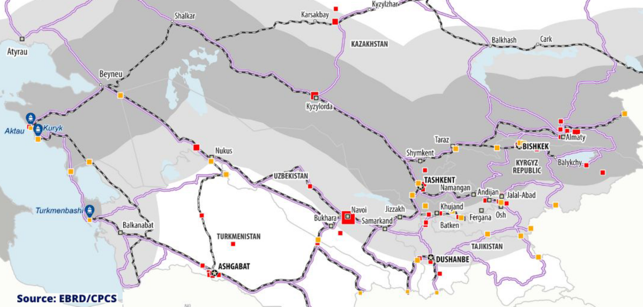
One of the shared objectives appears to promote Turkmenistan’s full involvement in the regional connectivity architecture, integrating this Central Asian republic into the Trans-Caspian International Transport Corridor (TITR), better known as the Middle Corridor. From this perspective, Azerbaijan – located on the other side of the Caspian, so representing the principal gateway for East-West trade corridors to European markets, has intensified bilateral relations in recent years with key regional players for the Middle Corridor’s implementation: Kazakhstan, Uzbekistan, and now Turkmenistan. Considering that the geographic diversification of the infrastructure corridors represents a strategic priority to boost the security of trade routes (developing alternative routes which would allow to overcome potential transit disruptions) Turkmenistan has progressively become a key partner to promote an additional (but alternative) route to the traditional Middle Corridor path that crosses Kazakhstan from east (border with China) to west (Caspian shore), thereby developing a southern route in the Trans-Caspian Infrastructure Corridor project.
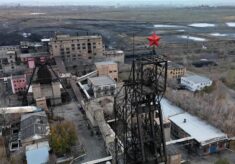
The mining sector represents another important area of cooperation, with Azerbaijan’s commitment to support Turkmenistan’s efforts to begin exploiting Turkmen mineral reserves (primarily iodine, sulphur, and potassium carbonate), similar to an agreement signed with Uzbekistan in early June (“Turkmenistan signs bevy of trade agreements with Azerbaijan”, EurasiaNet, June 23, 2026). Mineral exports would become a medium-term opportunity to diversify Central Asia and South Caucasus’ economies, which are based on the sale of hydrocarbons to foreign markets. In order to implement this option, Azerbaijan will benefit of its geographic strategic location as a bridge between Central Asia and Europe, as a mandatory transit route between East and West which bypasses both Russian and Iranian territories. Even if the wars with these two countries would finally cease, this communication node is an obvious security insurance.
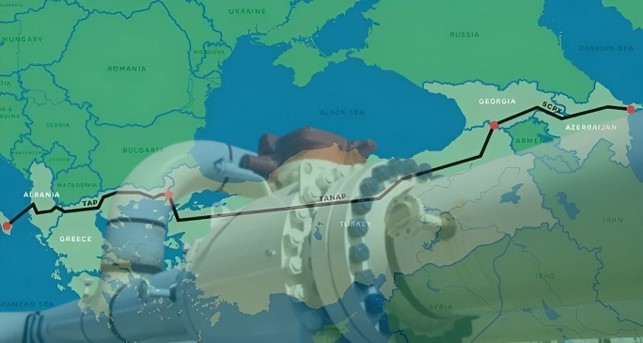
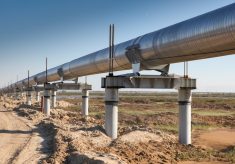
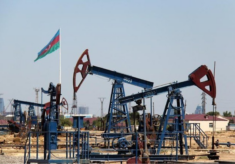
In the energy sector, enhanced cooperation between Baku and Ashgabat could lay the foundation for strengthening the Southern Energy Corridor (EU flagship energy project) with Turkmen gas finally exported across the Caspian Sea to be shipped to European markets, increasing the strategic capacity of the pipeline and contributing to the EU target of diversification concerning of gas imports. Significantly, Azerbaijan has transferred an oil tanker (built in its own shipyards) to Turkmenistan, named Dostluk, a name that evokes the previously disputed offshore Caspian oil and gas field, which the two countries agreed to jointly develop under the 2021 agreement (“Turkmenistan and Azerbaijan Deepen Strategic Partnership as Berdimuhamedov Concludes State Visit”, News of Central Asia, June 24, 2026).
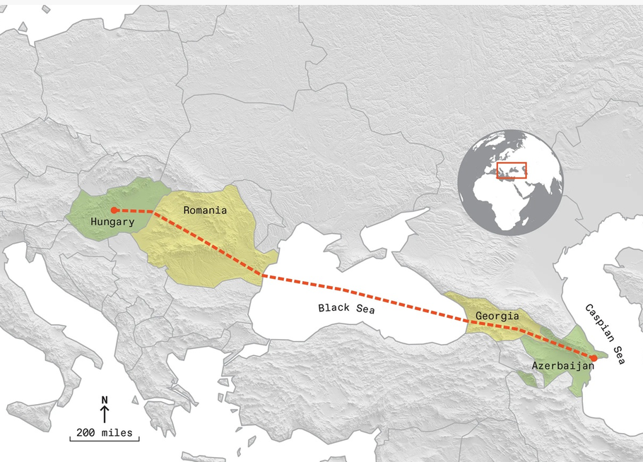
Furthermore, the project to export electricity produced in Turkmenistan to Azerbaijan is part of the plan for realising an integrated regional electricity transmission grid based on the trilateral Azerbaijan-Kazakhstan-Uzbekistan agreement to export electricity produced in Central Asia to European markets through the Green Energy Corridor project across the Black Sea, strongly supported by the EU.