“The spirit of our endeavour is, To strive, to seek, to find and not to yield”


Alessandro Minuto-Rizzo, President

Monthly Journal

April 2026

International Press Review

The most relevant events of the area through international sources

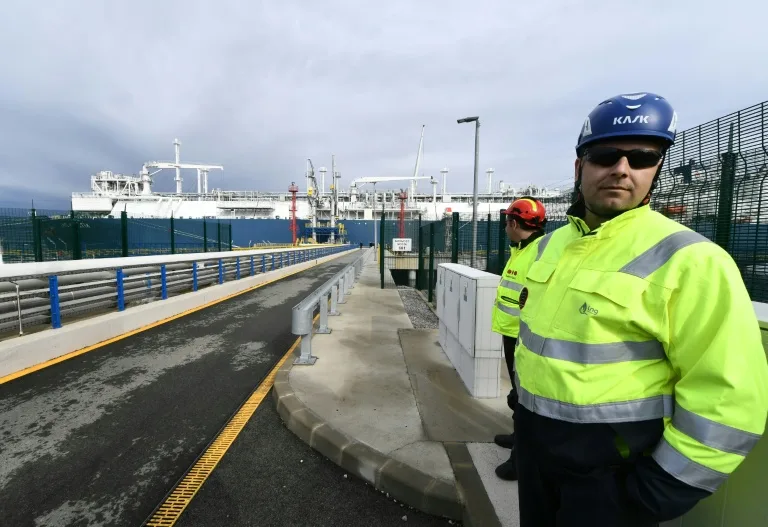
Croatia and Bosnia sign deal for a US-backed major gas pipeline
AFP

Croatia and Bosnia and Herzegovina signed an agreement to build the so-called “Southern Interconnection” gas pipeline, an infrastructure that will link Bosnia to European gas networks and to Croatia’s LNG terminal on Krk. The project aims at reducing Sarajevo’s reliance on Russian gas and support energy diversification. Backed by US-linked investors close to Donald Trump, the 1,5 billion-scheme also included gas-fired power plants to cut coal use. Brussels urged Bosnia to consider its EU obligations carefully before signing energy contracts such as the one relating to the pipeline, without a public tender.

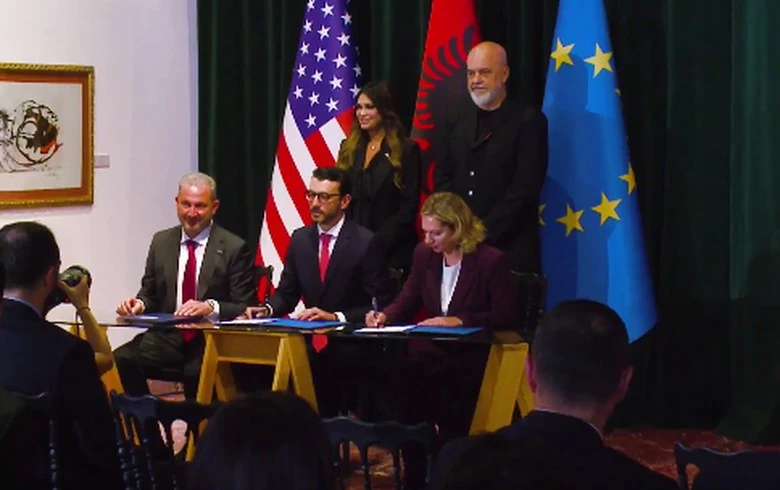
Serbia Albania signs a 6-billion deal for US LNG
SeeNews
Albania signed a 20-year-long, $6 billion agreement with US-based Venture Global and Aktor LNG USA to secure liquefied natural gas supplies, as part of a trilateral framework with Greece and the United States aimed at strengthening regional energy security. The deal also foresees US gas deliveries and the conversion of the Vlora thermal power plant from oil to gas. Once operational, the facility is expected to reach a capacity of 350 MW, supporting Albania’s efforts to diversify energy sources and modernise its infrastructure.
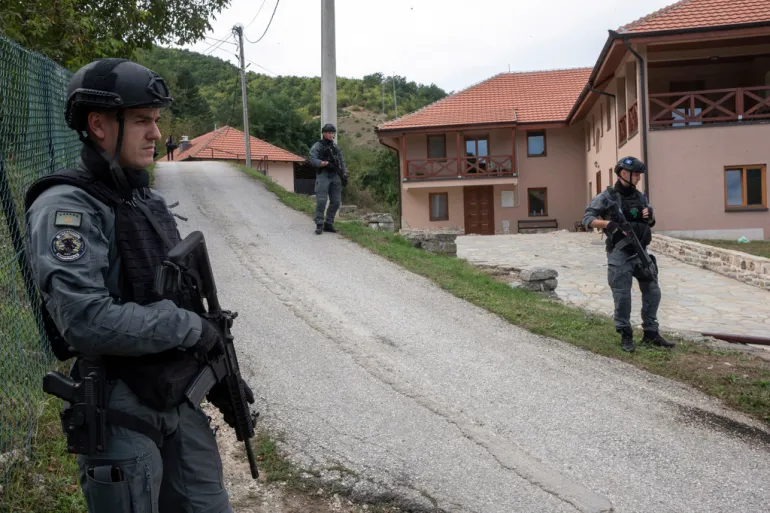
Kosovo court jails three Serbs over Banjska attack
Al Jazeera
A court in Pristina convicted three Kosovo Serbs on terrorism charges for their role in the 2023 Banjska attack, sentencing two of them to life imprisonment and another to 30 years. Judges said the group had sought to detach Serb-majority areas in northern Kosovo and join them to Serbia through a coordinated, armed operation. One police officer and three Serbian paramilitaries were killed in the clashes. During proceedings, one defendant denied being a terrorist. Kosovo Serb figure Milan Radoicic, who lives in Serbia, had earlier admitted organising the attack after being identified by authorities.
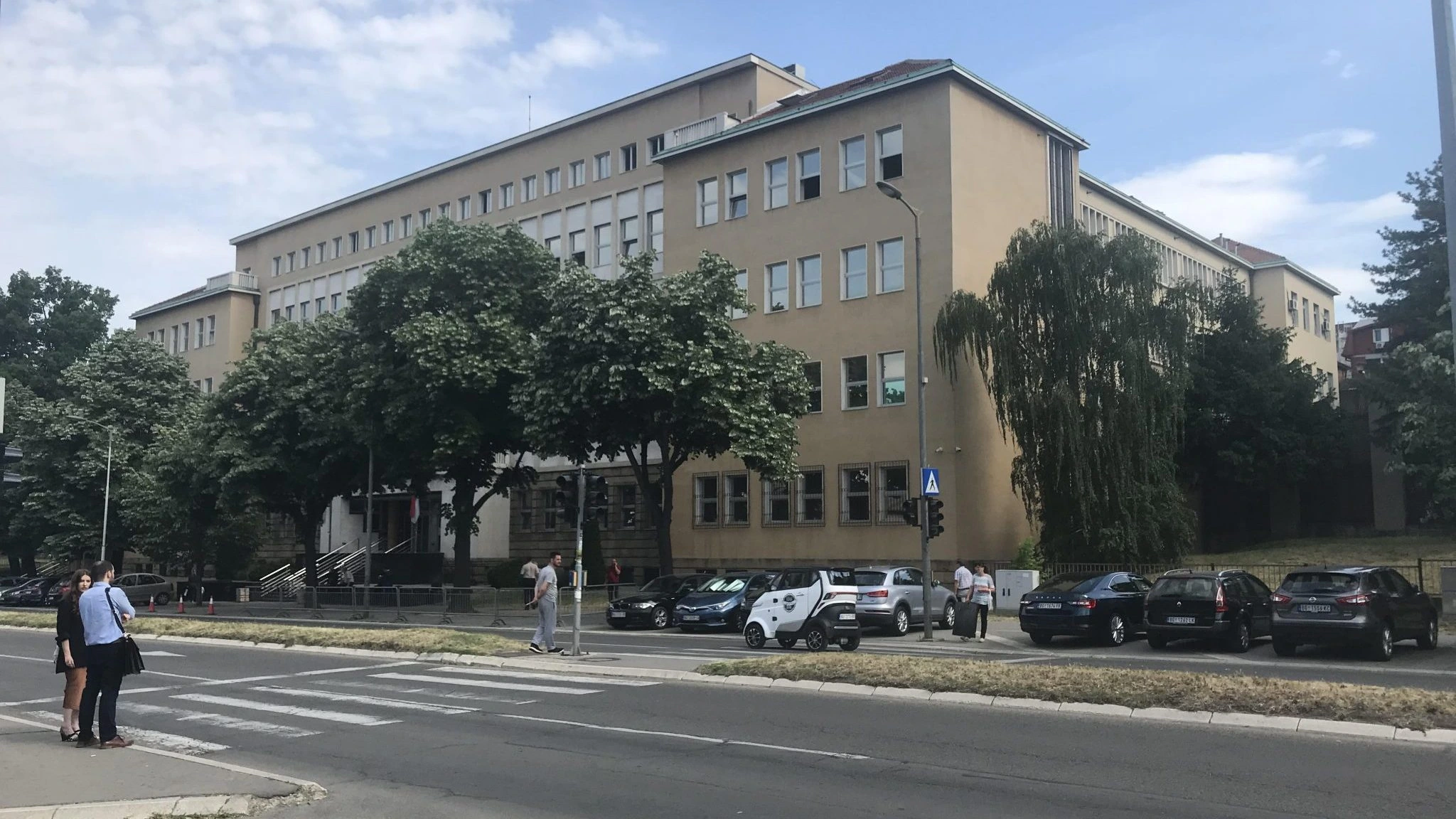
Venice Commission concerned over Serbia judicial laws
Balkan Insight
The Venice Commission identified serious shortcomings in Serbia’s recent judicial reforms, adopted in January. It warned the changes risked weakening the Public Prosecutor’s Office for Organised Crime and undermining its capacity to handle complex cases, including high-profile investigations. The body also criticised new rules limiting prosecutors’ ability to challenge instructions and called for restoring independent oversight mechanisms. Concerns were raised also over reduced autonomy for the cybercrime unit and broader risks to prosecutorial independence. The European Commission signalled it was assessing Serbia’s compliance with EU principles and the rule of law, stressing alignment with the Commission’s recommendations as a prerequisite for continued financial support.

EU warns Serbia risks losing funds over reforms, rule of law
AP

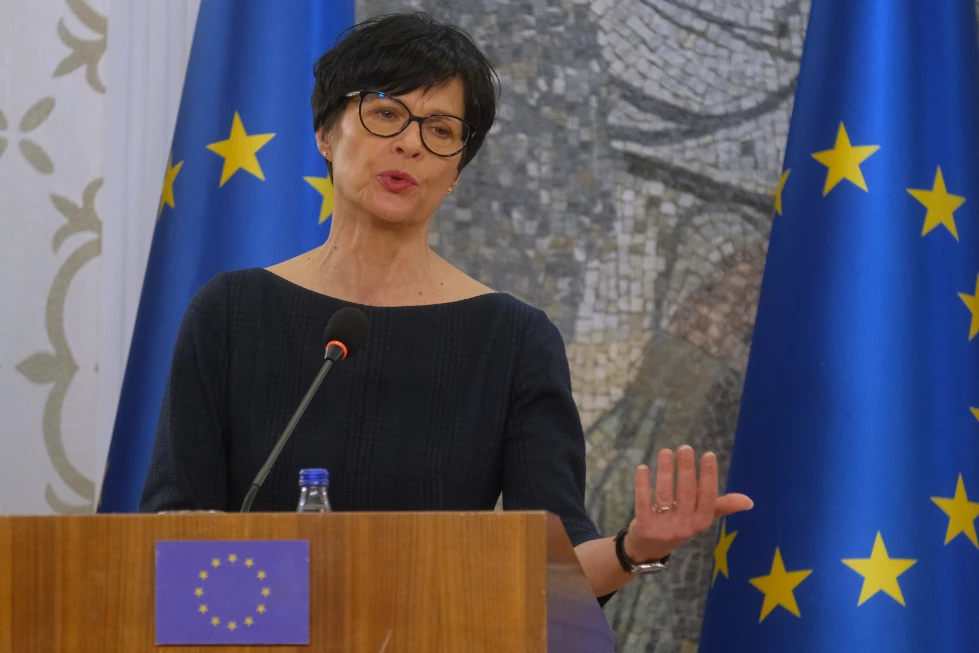
Serbia could lose access to around 1,5 billion in EU funding if it fails to address democratic backsliding, Enlargement Commissioner Marta Kos warned. The European Commission was assessing whether Belgrade still met the conditions for financial support, citing concerns over judicial independence, pressure on protesters and interference in independent media. The warning followed reports of irregularities and violence during recent local elections. While Serbia had already received 110 million from EU growth funds, the main part remains at risk. Brussels also expects alignment with forthcoming recommendations from the Venice Commission. The EU has intensified engagement in the Western Balkans since Russia’s invasion of Ukraine, amid concerns over regional stability and external influence.

Belgrade seeks Mladic’s early release from jail, offers guarantees
Sarajevo Times
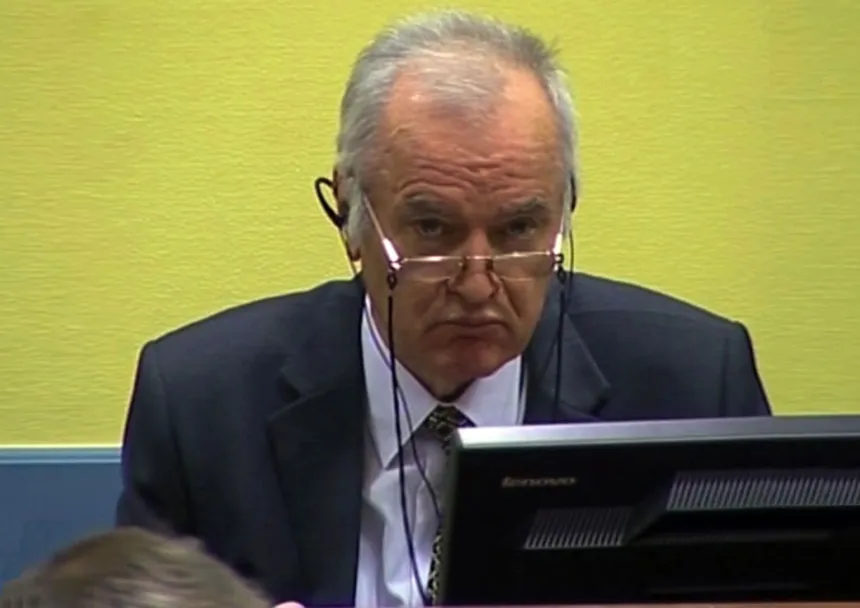
Serbian Justice Minister Nenad Vujic requested the temporary release of war criminal Ratko Mladic on humanitarian grounds after visiting him in detention in The Hague. Vujic said Mladic’s condition was serious and required specialised medical treatment, adding that Belgrade had offered guarantees for his transfer. He argued that continued detention could breach international standards, including UN rules on prisoner treatment, and said the issue would be raised with relevant UN bodies. Mladic, serving a life sentence for genocide and crimes against humanity, had a similar request rejected last year, with judges ruling his condition remained stable and adequately managed in custody.
US extends NIS license amid talks on Russian stake
European Western Balkans
Washington extended a licence allowing Serbia’s Oil Industry of Serbia (NIS) to operate, even under US sanctions, until 16 June, providing short-term relief for oil procurement, refinery operations and fuel supply for the Balkan country. Energy Minister Dubravka Djedovic Handanovic said the move signalled progress in talks over the potential sale of the Russian stake held by Gazprom Neft to Hungary’s MOL. NIS has been under US sanctions since October 2025 due to majority Russian ownership. Belgrade aims to secure the company’s removal from the sanctions list and increase its own stake. A deal on the new ownership structure is expected by 22 May, subject to US approval.
Serbia eyes joint drone production with Israel
Reuters
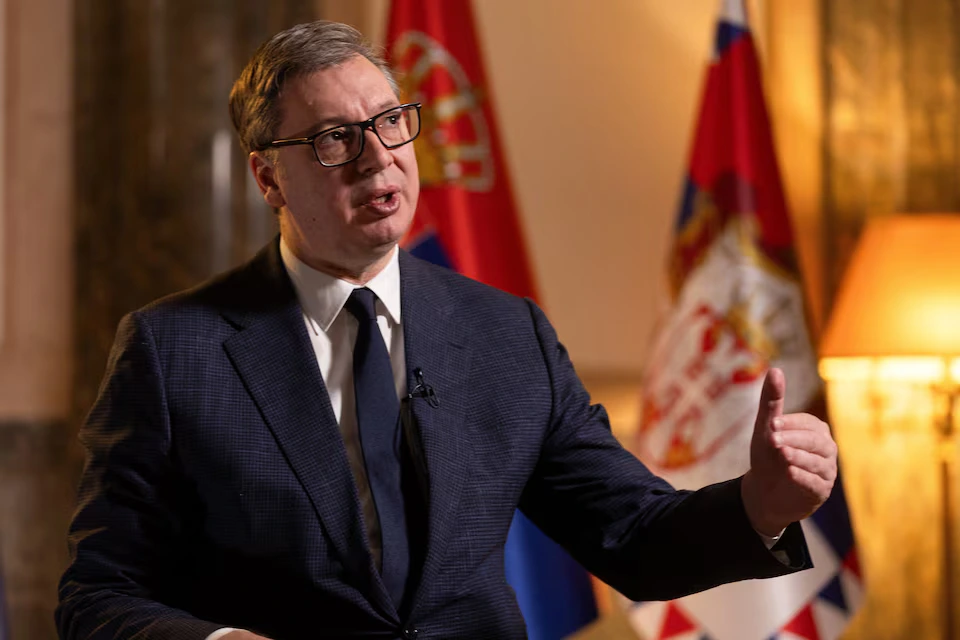
Serbia is planning to launch joint production of combat drones with Israel as part of efforts to modernise its armed forces and expand defence exports, President Aleksandar Vucic announced. He indicated the project would be a shared venture, reflecting Serbia’s reliance on Israeli expertise to advance its drone capabilities. The move followed earlier reports of cooperation between state arms producer SDPR and Israel’s Elbit Systems. Belgrade has intensified military procurement in recent years, acquiring Israeli systems alongside French aircraft, but also Chinese equipment. The initiative highlighted Serbia’s strategy of diversifying defence partnerships while balancing ties with NATO, the EU, Russia and China.

The Insight Angle

Insight Angle

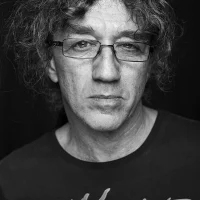
István Hegedűs

István Hegedűs is a Hungarian political scientist, analyst and intellectual known for his work on European integration, democratic governance and against illiberalism in Central and Eastern Europe. He is a founding member and chairman of the Hungarian Europe Society, a Budapest-based think tank focused on European affairs. In this role, he has been a consistent advocate of pro-European, liberal-democratic values and a critic of democratic backsliding in Hungary under Viktor Orban. Hegedűs is often quoted in international media and policy forums on Hungarian domestic politics, and EU-Hungary relations.

What is likely to change in Hungary after the 2026 election, both domestically and in terms of Budapest’s broader political direction, including foreign policy?
I think what Peter Magyar calls a regime change is, in a sense, true. It is a kind of second regime change after 1989-90. Of course, one can debate which was more important – the fall of communism was internationally of enormous significance – but this time the fall of an illiberal populist system could also show other international actors that illiberal populism, even if it wins elections, does not necessarily last forever.
I hope the new government, with its overwhelming majority, will return Hungary to the norms and institutions of liberal democracy, and perhaps also renew them in a way that prevents illiberal populists from coming back. Regime change does not mean only institutional change, though that is very important. Magyar has a constitutional majority, so he can move very quickly – and he should, because the public mood can change in just a few months.
At the moment, there is a honeymoon period. His popularity has even grown since the elections, and that may continue for a while. But after a few months in government, people may become more dissatisfied, especially because of living standards and other issues.
Still, a lot can change in relation to the fight against corruption, public culture, political culture in general. The smear campaigns and propaganda machinery of the old regime may be abandoned, and Hungary could have a much more open-minded political discourse. Journalists may finally be able to do what they are supposed to do. Until now, around 90% of the media space was occupied by the government, and many of those people were propagandists rather than journalists. Now independent journalists may become critical of the new government too, as happens in a normal democracy. The hope is that Hungary will readjust to mainstream European norms.
On foreign policy, I think the same applies. The government’s pro-Russian stance will disappear. On Ukraine, I believe Magyar will adjust to the European mainstream, including the position of his political family, the European People’s Party. I see no reason for him to maintain an anti-Ukrainian stance. The anti-Ukrainian propaganda campaign has collapsed in Hungary; it never really worked. My prediction is that within half a year Magyar will show up in Kyiv, like other European leaders.
 
Who is really Peter Magyar? He emerged as a major challenger to Orban, but he came from Fidesz. Can we describe him as a sincere pro-European conservative, or how would you define him?
I would call him pro-European and pro-EU. Maybe he is not a federalist, but times have changed. He belongs to the mainstream. I am sure he is not Eurosceptic.
There may be some issues where he is more traditionally conservative, such as migration. On that, he may have specific positions, rather like the Polish centre-right government under Donald Tusk. But I do not think he will continue with anti-migration or anti-migrant rhetoric. There will be no more posters in Budapest attacking migrants. I think that is over.
I would describe him as a centre-right politician without very strong ideological positions. If I had to characterise him, I would say he is a moderate conservative, or even a liberal conservative, because most of his views are mainstream centre-right positions.
What stands behind him is a coalition of very different voters, who all wanted to get rid of Orban. That is why he became so strong in the election. All the other opposition parties evaporated, whether they withdrew or ran unsuccessfully. Anti-Orban voters who hated this regime after 16 years voted for him. This means his camp includes left-wing voters, centrists, liberals and more conservative people, though not extremists.
He is at the centre of this movement – not a coalition of parties, but a coalition of voters. One day, it may become more fragmented, and Hungary may have more pluralism. That is also part of the hope of this regime change.
At the moment, if Magyar wants to maintain this huge support for constitutional changes, he cannot be too conservative. His likely government also seems to show this more colourful, less ideological character. Even if he sometimes uses more conservative rhetoric than a liberal politician would, he will not ban Pride or attack LGBTQ communities. There are four Roma MPs in his ranks, so there may also be a much more positive rhetoric about minorities in Hungary.
Symbolically, there are already signs that this will be very different from Orban’s government. And if Hungary gets real competition in the economy, rather than proxies and oligarchs loyal to Orban, that will be a huge difference.
 
How hard will it be for Magyar to dismantle the power system Orban created over the past 16 years?
He has a very good starting point, partly because the whole Fidesz regime seems to be falling apart. Public television, and maybe even some very rich people who used to work for the regime, are now becoming more independent from it. That is one spontaneous development.
On the other hand, Magyar has a strong constitutional majority, so he can remove people from key positions including, perhaps, the president of the republic, whom he calls a puppet. With this majority, that may be possible.
There will be many debates. Fidesz will attack him and claim that what he is doing is unconstitutional and illiberal. Fidesz may suddenly start fighting for democracy. But for a while, people will not believe Orban. If the process takes too long, however, the mood may change. So, Magyar must move quickly.
 
Orban had strong international support, including from Trump and Meloni. What should we expect from him in the coming months? Will he disappear, or will he fight back?
He may disappear for the summer, but I am sure he will come back. There is very little chance that he will lose power inside Fidesz, though in politics one never knows after such a huge defeat. If he remains in control, which is more likely, he will come back and fight.
We do not know what will happen in four years. He may come back, just as Donald Trump came back. But internationally he will lose many friends. His dream of an illiberal international is now much further away than it was a year ago. Donald Trump is very unpopular in Europe, and Meloni has distanced herself from Trump. This whole illiberal conglomerate has become much weaker.
Orban was a pioneer and a hero for the extreme right. Now it is clear that everyone can be defeated. So it will not be easy for him. But it is too early to say he is out forever.
Magyar wants to introduce a law saying that if someone has served as prime minister for eight consecutive years, they cannot become prime minister again. But what if Orban one day wins a constitutional majority again? Hungary also needs electoral reform to prevent one party from gaining a supermajority in the future. Hopefully, this will be the last time.
However, even if Orban cannot become prime minister again, he could still use someone else as a puppet PM. That is a question for the future. I would be very cautious about saying he is gone forever. He is relatively young. Look at Trump: Orban still has many years for a possible comeback.
 
Orban was the closest EU leader to Vucic and Dodik in the Balkans. What changes do you expect Magyar to bring in relations with the Western Balkans?
Regarding the Balkans, this kind of political interference will stop. Magyar is not going to directly support Jansa, Vucic or their parties. But I think the Hungarian government will continue to speak in favour of EU enlargement for the Balkan countries. It will maintain pragmatic relations with Vucic, while probably developing friendlier relations with non-populist leaders.
Magyar has already said that geography is given (he was referring to Russia) and that Hungary should have pragmatic relations with Russia. I think he will also have that kind of relationship with Serbia and other countries. Why not have even friendlier relations where possible?
Magyar wants to strengthen Visegrad cooperation, perhaps even enlarging it with Austria. If that happens, and if he plays an important new dynamic role internationally, not only in domestic politics, he could build very good regional relationships. He might also send Nikola Gruevski, (the former PM convicted and escaped to Budapest, note of the author), back to North Macedonia, or elsewhere. That would show that he is a more liberal, but still strong, leader.


The Key Story

Strategic trends 

Source: Atlantic Council

Orban defeat reshapes Hungary and weakens Balkan allies

Viktor Orban’s electoral defeat in Hungary will have long-lasting consequences not only for Hungary and for the European Union, but it had the merit of also removing the most reliable European ally of Serbian President Aleksandar Vucic and Republika Srpska pro-Russian and nationalist leader Milorad Dodik.
Hungarians went to the polls on 12 April in a parliamentary election that brought an historical end to Orban’s long dominance of the country’s political life. Near-complete results showed immediately Peter Magyar’s Tisza party winning a two-thirds majority in the Parliament, required to enact sweeping institutional change.
The outcome marked a decisive rejection of Orban’s rule and handed Magyar both the authority and the political space to pursue an ambitious programme of domestic reform and foreign policy realignment.

Magyar, a former government insider who emerged as Orban’s most credible challenger only in 2024, built his campaign on a promise to restore democratic checks and rebalance Hungary’s external relations. He signalled a clear intention to move Budapest closer to the European Union, while reducing the country’s political and economic dependence on Russia and other external powers. At the domestic level, he pledged to roll back controversial reforms in education and healthcare, strengthen judicial independence, and tackle systemic corruption.
Orban, who conceded defeat shortly after the results became clear, had been one of Europe’s most polarising leaders. A nationalist and populist, during its 16 years in power, he steadily reshaped Hungary’s political system, consolidating authority and redefining the state along what he described as “illiberal” lines.
On the international stage, Orban positioned Hungary as an outlier within the EU. He was a consistent critic of migration policies, resisted the expansion of LGBTQ rights frameworks, and opposed robust Western support for Ukraine following Russia’s invasion. At the same time, he cultivated close ties with Russia and China, while maintaining strong political links with figures such as Donald Trump, which openly supported Orban before the elections. In the Western Balkans, he developed particularly close relationships with Aleksandar Vucic and Milorad Dodik, offering them a sympathetic voice within the EU at a time of increasing scrutiny over governance and regional stability.
The scale of Magyar’s victory is therefore likely to resonate well beyond Hungary. Orban’s departure removes a key advocate of illiberal governance from the EU centres of power and weakens an informal network of leaders who had relied on Budapest to temper EU pressure. For Vucic and Dodik, in particular, the loss of an ally inside the Union may narrow their room for manoeuvre, exposing them to firmer European conditionality and greater diplomatic isolation.
At the same time, Hungary’s anticipated policy shift could reinforce broader EU efforts to reassert unity on Ukraine and re-engage more assertively in the Western Balkans.
For Belgrade and Banja Luka, the consequences of Orban’s defeat reach beyond symbolism. Orban had offered political cover inside the EU, softened criticism of illiberal governance, resisted pressure on Russia-friendly networks and acted as a strategic partner for leaders challenging Western conditionality and European values. His departure weakens that protective channel – when Vucic, in particularly, faces mounting pressure over democratic backsliding in Serbia.

Further News and Views

Pipeline sabotage claims stir tension before Hungary vote
Sources: Deutsche Welle, BBC, Balkan Insight, Politico, Reuters
A mysterious, alleged sabotage plot against gas infrastructure in northern Serbia fuelled political tension days before Hungary’s parliamentary election.
Serbian President Aleksandar Vucic said police and army units had found explosives near a pipeline carrying Russian gas towards Hungary, prompting Viktor Orban to convene defence officials and sending troops close to the Serbian border.
Hungarian officials suggested the incident showed the vulnerability of Russian energy supplies, while Orban implied Ukraine could have had an interest in disrupting flows. Kyiv denied any involvement. Serbia’s military security chief, Djuro Jovanic, later said there was no evidence linking Ukraine to the explosives, pushing back against the Hungarian narrative. 
The timing sharpened international scrutiny. The discovery came less than a week before Hungarian voters went to the polls in Hungary, with Orban facing a strong challenge from Peter Magyar’s Tisza party, that subsequently won the elections.
Serbian officials denied claims that the find had been staged, but regional analysts and opposition voices questioned whether the episode could be used politically to reinforce Orban’s warnings about energy security and the war in Ukraine and win more consensus in Hungary. In any case, the affair underlined how Serbia-Hungary energy links, dependence on Russian gas and the Ukraine war had become intertwined with domestic electoral politics in Budapest.
Kosovo faces new early elections after failing to elect the new president
Sources: Reuters, Politico, AP
Kosovo is heading towards its third parliamentary election in just over a year after lawmakers failed to elect a successor to Vjosa Osmani before a constitutional deadline (28 April), triggering the automatic dissolution of parliament.
The vote, expected within 45 days, followed repeated opposition boycotts that denied the quorum required to appoint a president. The impasse came despite the recent formation of a government under Prime Minister Albin Kurti after two inconclusive elections in 2025.
Analysts suggested the new election would test public willingness to hold political leaders accountable amid growing frustration. The prolonged instability had already begun to weigh on economic performance and erode trust in democratic institutions.

EU - NATO

NATO military chief visits Bosnia and Herzegovina
SourceNATO
NATO Military Committee Chair Admiral Giuseppe Cavo Dragone visited Bosnia and Herzegovina for talks on partnership and defense cooperation with the country’s political and military leadership.
He met Deputy Defense Minister Slaven Galic and Armed Forces Chief of Joint Staff General Gojko Kneževic who presented Bosnia and Herzegovina’s defense readiness, NATO cooperation and future reform plans.
Cavo Dragone said the Western Balkans remained high on NATO’s agenda and described the region as strategically important for the Alliance, reaffirming NATO’s commitment to preventing any security vacuum. During the visit, he also met NATO HQ Sarajevo commander Brigadier General Mathew A. Valas and OHR Principal Deputy High Representative Louis J. Crishock to discuss defence and security reforms, Partnership for Peace activities and wider military cooperation.

ECONOMICS

Western Balkans growth forecast cut amid labor market gaps
Source: World Bank
The World Bank downgraded its growth forecast for the Western Balkans, projecting regional expansion of 2,8% in 2026, 0,3 percentage points below previous estimates, with a modest rise to 3,2% in 2027.
The report, covering Albania, Bosnia and Herzegovina, Kosovo, Montenegro, North Macedonia and Serbia, said regional growth is forecast to expand by 2.8% in 2026, 0,3 percentage points below previous estimates, and rise modestly to 3.2% in 2027. It cited geopolitical tensions, rising prices and demographic pressures as key constraints.
It highlighted a contradiction between labor shortages and the large number of inactive potential workers, especially women and young people. According to the Bank, aligning labor participation with comparable EU standards could add more than 2,8 million workers. Current tax and benefit systems often discouraged employment by removing poverty-targeted support once even modest income was reported. The report called for reforms, alongside affordable childcare and eldercare, better training and more flexible workplaces. With one in five people expected to be over 65 within a decade and skilled workers continuing to emigrate, it argued that mobilising domestic talent had become essential for long-term growth.

Stefano Giantin

Journalist based in the Balkans since 2005, he covers Central- and Eastern Europe for a wide range of media outlets, including the Italian national news agency ANSA, and the dailies La Stampa and Il Piccolo. 

Archive

Subscribe to our newsletter

This field is required.
Please enter a valid email address.
This field is required.

In the first field, enter the international prefix (e.g. 0039 or +39), while in the second field, enter the mobile number without the prefix.

I consent to have this website store my submitted information so they can respond to my inquiry after reading Privacy Policy
You must accept the terms to proceed.