The most relevant events of the area through international sources
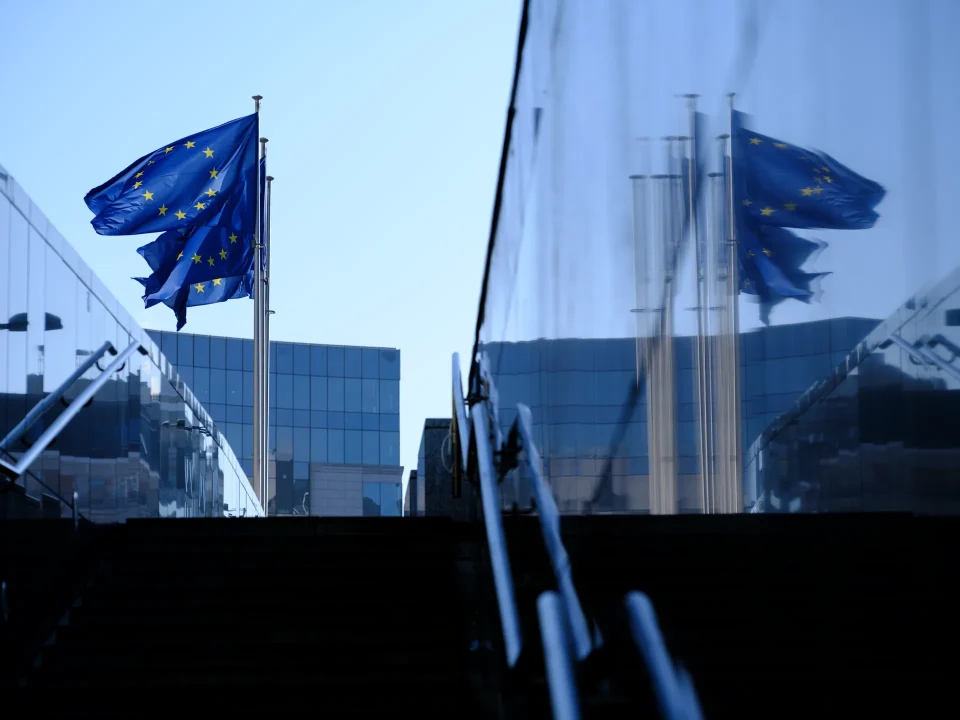
Podgorica moved closer to EU membership after EU ambassadors approved the creation of an hoc working group tasked with preparing the legal framework for the country’s accession treaty. EU officials described the move as a significant signal that enlargement remained achievable for Western Balkan candidates. Montenegro, an EU candidate since 2010, aims to join the bloc by 2028. The process is also being viewed in Brussels as a test case for proposals designed to prevent democratic backsliding after accession.
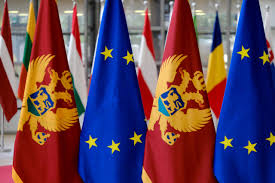
Montenegro is preparing to host the EU-Western Balkans Summit in Tivat on 5 June, a gathering seen as a test of the European Union’s commitment to enlargement. The summit, focused on prosperity, connectivity and the EU Growth Plan, will place Podgorica at the centre of regional integration efforts as Brussels looked for a credible success story in the Western Balkans. EU officials are increasingly viewing Montenegro’s goal of joining the bloc by 2028 as ambitious but achievable. The process also carries geopolitical significance, as Montenegro continued distancing itself from Serbian political influence and aligning more closely with Euro-Atlantic structures amid growing regional competition involving Russia and China.
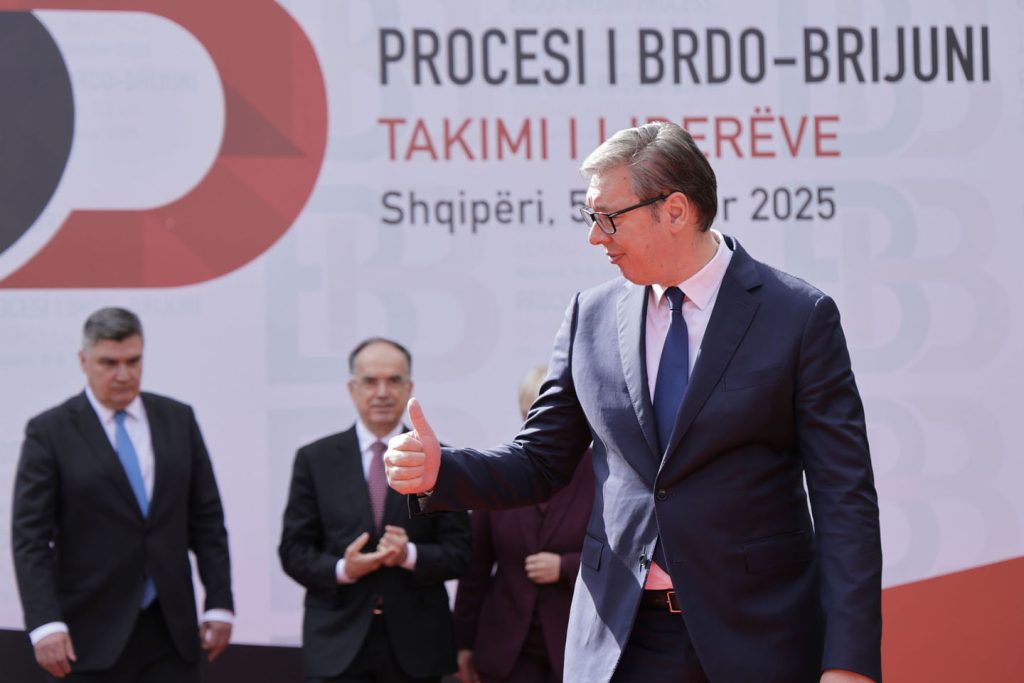
North Macedonia will host the next Brdo-Brijuni Process summit in October after the meeting, originally planned for May in Croatia, was cancelled following escalating rhetoric between Zagreb and Belgrade. Slovenian President Natasa Pirc Musar said she understood Croatian President Zoran Milanovic’s decision to cancel the Brijuni meeting, stressing however that the initiative remained the only annual platform bringing together all Western Balkan countries alongside Slovenia and Croatia. Speaking alongside North Macedonian President Gordana Siljanovska-Davkova in Ljubljana, Pirc Musar said the summit would focus on issues capable of uniting the region while still allowing discussion of more sensitive political questions.
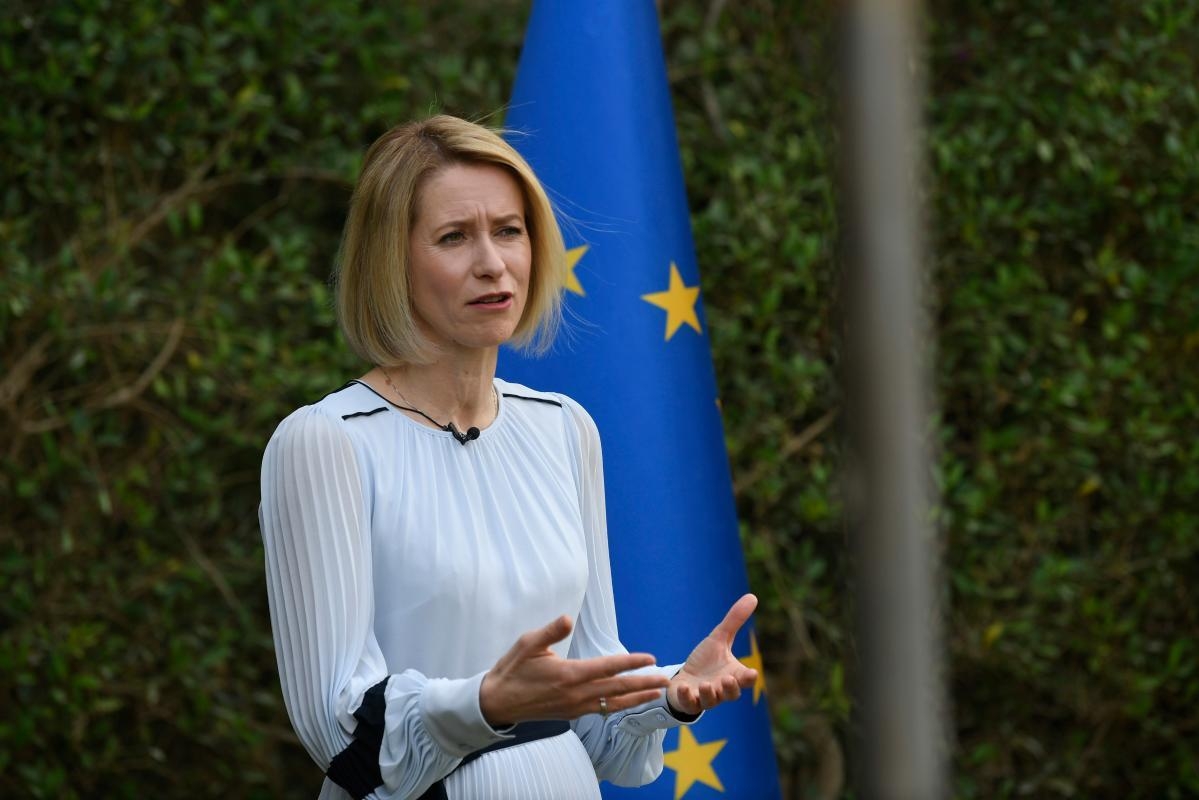
EU foreign policy chief Kaja Kallas said repeated election cycles in Kosovo were delaying the resumption of high-level dialogue between Belgrade and Pristina. Speaking ahead of a meeting with Western Balkan foreign ministers, Kallas said both Serbian President Aleksandar Vucic and Kosovo Prime Minister Albin Kurti had expressed readiness for talks, but that the prospect of new snap elections in Kosovo had once again postponed the process. She added that the EU continued working separately with both sides on implementing existing agreements. The two leaders last met within the EU-mediated dialogue in September 2023.
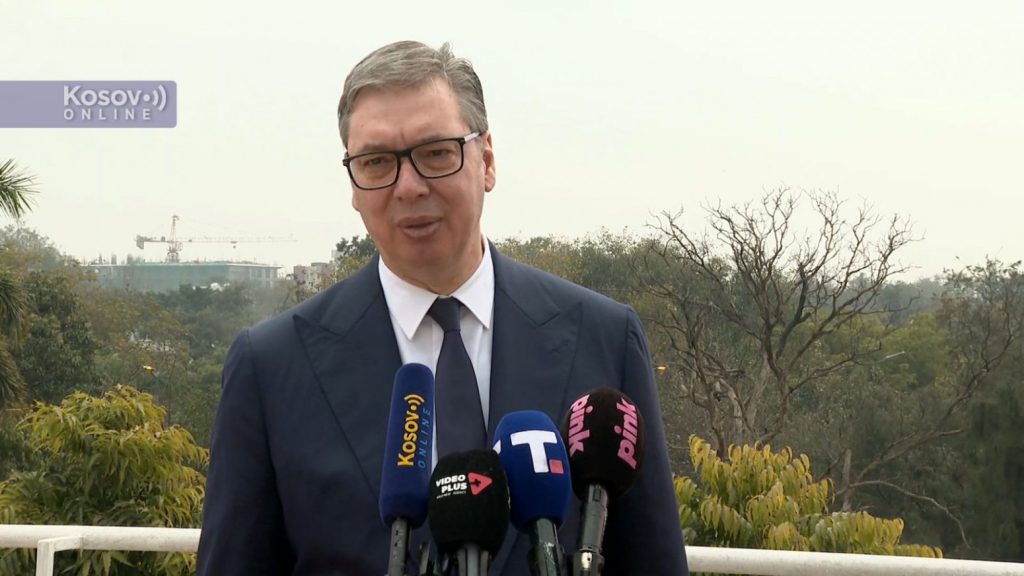
Serbian President Aleksandar Vucic said Belgrade would fight efforts to advance Kosovo’s integration into NATO, after US congressmen Keith Self and Mike Lawler introduced a resolution supporting Pristina’s membership ambitions. Vucic claimed similar initiatives had already been channelled through Croatia, Albania and other Alliance members, but argued they would face resistance because four NATO states (Spain, Greece, Slovakia and Romania), and five EU members, still did not recognise Kosovo. He added that Serbia was consulting partners and hoped the initiative would not succeed.
A coalition of Serbian media organisations warned that journalism in the country was becoming increasingly dangerous, accusing institutions of failing to protect reporters and independent outlets. Marking World Press Freedom Day, the group called for a symbolic five-minute blackout of broadcasts as part of an international campaign on media freedom. Citing data from the Independent Journalists’ Association of Serbia (NUNS), the coalition reported dozens of cases involving police violence, unlawful detention and intimidation of journalists between March and December 2025, including more than 30 physical attacks. It also criticised hostile rhetoric by senior officials and ruling party representatives, saying it fuelled violence and undermined trust in the media.
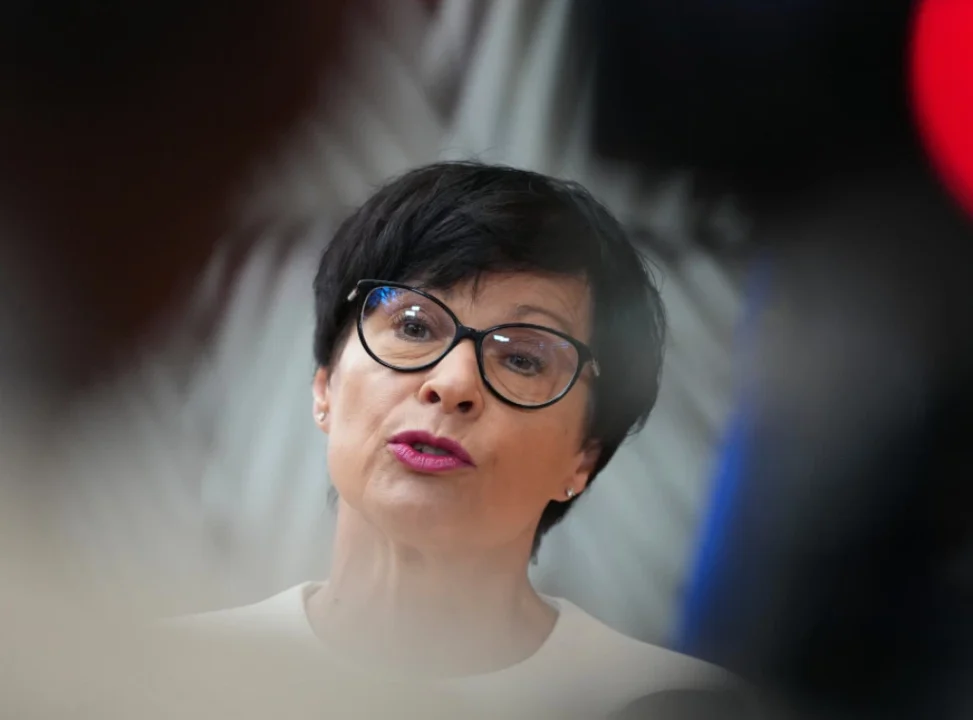
EU Enlargement Commissioner Marta Kos said the European Union had still not formally frozen Western Balkans Growth Plan funds for Serbia, despite a suspension of payments following recent controversial judiciary amendments. Speaking ahead of an informal meeting of EU and Western Balkan foreign ministers in Brussels, Kos said the Commission was continuously assessing whether recipient countries met the required criteria. She stressed that Serbia’s EU path remained open but warned that candidate status involved commitments and that Brussels expected progress rather than democratic backsliding.
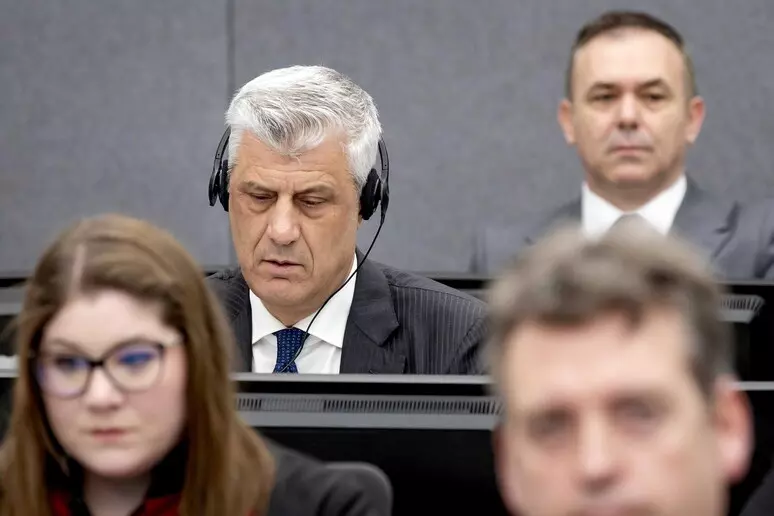
The Kosovo Specialist Chambers in The Hague extended by at least 60 days the deadline for delivering a verdict in the war crimes and crimes against humanity trial of former Kosovo Liberation Army (KLA) leaders, including former Kosovo president Hashim Thaci. Prosecutors have requested prison sentences of up to 45 years over alleged crimes committed during the 1998–1999 Kosovo conflict. The court said the extension reflected the complexity of the case and clarified that the new 20 July deadline referred only to the expiry of the extension period, not to the actual date of sentencing.
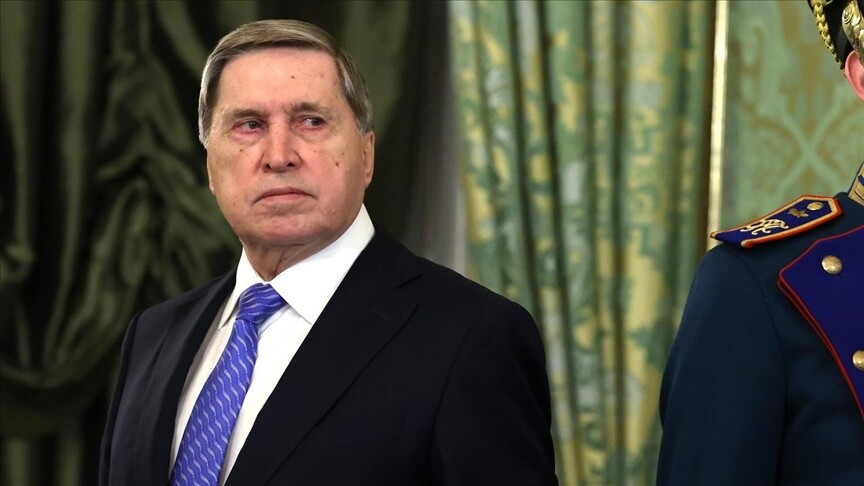
Pro-Russian nationalist Republika Srpska officials, including SNSD leader Milorad Dodik and National Assembly Speaker Nenad Stevandic, were received by Russian President Vladimir Putin at the Kremlin ahead of Victory Day commemorations in Moscow. The Republika Srpska delegation also included President Sinisa Karan and attended ceremonies on Red Square marking the anniversary of the Soviet victory over fascism in the Second World War. The visit underlined the close political ties between Republika Srpska’s leadership and Moscow amid continuing tensions between Banja Luka and Bosnia and Herzegovina’s central institutions.
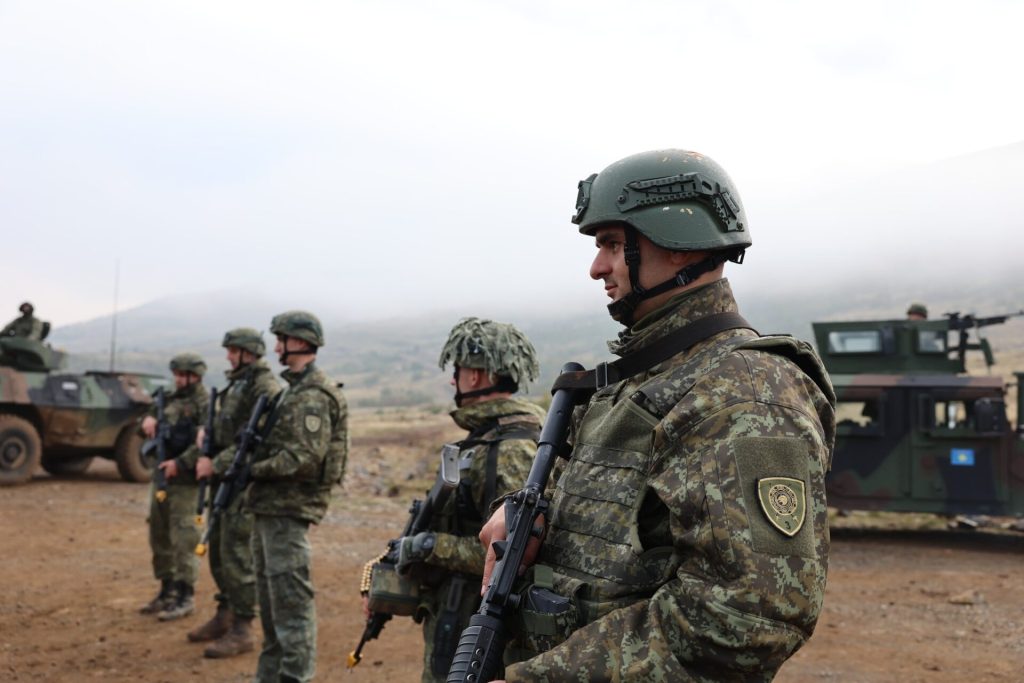
The US State Department notified the Congress of a proposed authorisation for the export of defence equipment, technical data and defence services to Kosovo valued at more than 14 million dollars, according to sources cited by Radio Free Europe. The notification, submitted under the Arms Export Control Act, did not specify the type of equipment involved. The move came amid renewed calls by US lawmakers for stronger American backing of Kosovo’s NATO ambitions. In recent years, Kosovo has expanded military cooperation with Washington through purchases of drones, armoured vehicles and Javelin anti-tank missiles, while continuing the transformation of the Kosovo Security Force into a regular army. The process, launched in 2018, has been strongly supported by the United States, although NATO has remained more cautious regarding the force’s mandate.
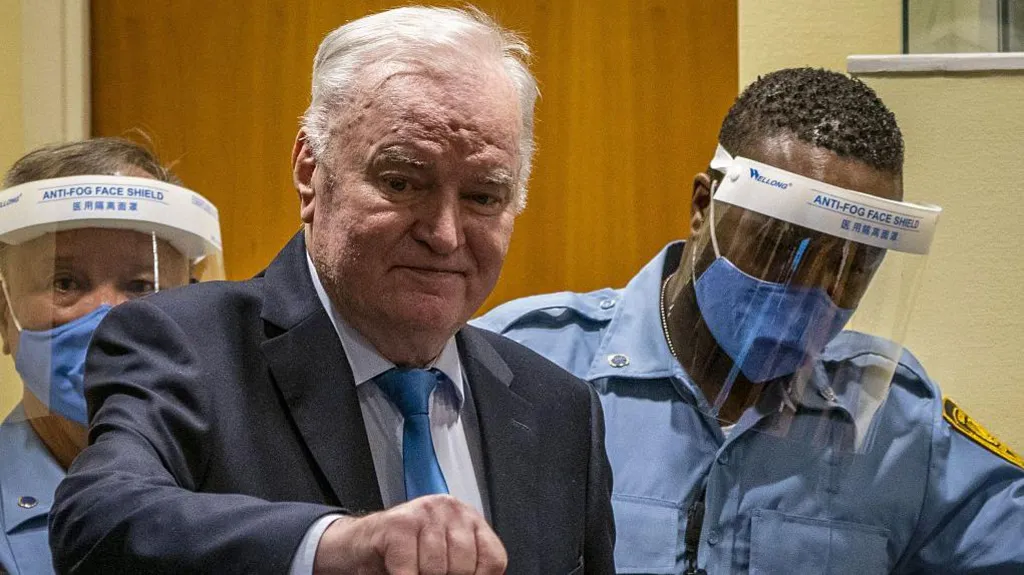
A UN court rejected a request by convicted Bosnian Serb war criminal Ratko Mladic to be released from prison on humanitarian grounds, despite acknowledging that he was in the final stage of his life. Judge Graciela Gatti Santana ruled that the medical care available at the UN detention facility and hospital in The Hague remained sufficient and that no additional treatment could be provided elsewhere. Mladic, known as the “Butcher of Bosnia”, was sentenced to life imprisonment for genocide, war crimes and crimes against humanity committed during the 1992–1995 Bosnian war, including the Srebrenica genocide. His lawyers recently said the 84-year-old former commander had long been bedridden or confined to a wheelchair.
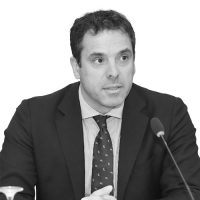
Naim Rashiti is one of the most influential political analyst and expert in Kosovo, specialising in Western Balkans politics, EU integration and the Kosovo–Serbia dialogue. He serves as Executive Director and Senior Balkans Analyst at the Balkans Policy Research Group (BPRG), a Pristina-based think tank focused on governance, regional cooperation and Euro-Atlantic integration. Rashiti has frequently commented on political developments in Kosovo and the wider Balkans for international media and policy institutions, with special expertise in regional diplomacy, democratic transition and security issues.
How would you define the core drivers of the current political crisis in Kosovo, and to what extent do they stem from institutional weaknesses versus political fragmentation?
The crises in Kosovo are political, institutional and constitutional. And the current political structures have many flaws.
Following years of international supervision and support, during which the Kosovar political and institutional system was developed and strengthened, Kosovo finds it difficult to operate independently. The young political structures in Kosovo, both in government and in the opposition, find it difficult to adapt to and operate within the very constitutional and political system established under Ahtisaari, which was built by Kosovo’s international supporters.
The ruling party does not like the constitutional checks and balances, and the weak opposition does not know how to operate within a proportional system where the ruling party has a majority. The Kosovo proportional electoral and constitutional systems require dialogue and consensus in implementing election results and a clear division of constitutional roles, while maintaining checks and balances. Thus, an immature political system seems to lack experience operating within a modern constitutional order, contributing to the weakening of the institutional system.
What role has Prime Minister Albin Kurti played in shaping the crisis, and how have his governance choices affected relations between political actors? And what are the responsibilities of the opposition in the current crisis?
The Vetevendosje (VV)-led government came to power as an anti-establishment force and has long opposed the internationally shaped arrangements for the functioning of Kosovo’s political and institutional system. The opposition parties still rely on the old system of dialogue, consensus and power-sharing, embedded by the international community in Kosovo since 1999.
VV and Kurti object that, and this is the source of the crisis. VV behaviours with 51% of the votes, are similar to those in majoritarian electoral systems, where the winner takes all, while the opposition, coming from an established system of power-sharing, still demands strict implementation of the classic Kosovo proportional system where key constitutional roles are shared, and checks and balances are maintained.
Furthermore, the young political leadership across the board is less willing to talk to or negotiate with one another. Disagreements concern key policies, the functioning of the constitutional system, dialogue with Serbia, and relations with the West and international partners.
To what extent is public trust in political institutions being affected, and could this crisis deepen political polarisation within Kosovo’s society?
The public trust is reducing dramatically. Many Kosovars believe that the next elections are not the last and that the crisis could continue.
Kosovo loses 2% of its population each year; between 35.000 and 40.000 citizens migrate annually. Polarisation and growing populist agendas have obstructed Kosovo’s progress on vital development and integration goals. Kosovo’s economic indicators have worsened dramatically, and progress on key peace, dialogue, and integration agendas with the Council of Europe and the EU has stalled.
Yet, with some degree of maturity, Kosovo can make a considerable progress. Should the leaders change their narratives, Kosovo may advance quickly in establishing fully functional institutions and pursue implementation to advance the dialogue, regional agendas, the growth plan, and membership in the Council of Europe. The current leadership need to stop pursuing political fragmentation.
Looking ahead, what are the most plausible scenarios following the next elections, and how might they influence Kosovo’s internal political stability and governance trajectory?
First, citizens and observers need to be convinced that there will be no other elections after this. Thus, elections per se will not change much. Change of political discourse of key political actors is needed. Leaders feel that voters are exhausted, and I hope they will sit and negotiate arrangements to secure the full and stable functioning of the institutions.
Also, key international partners and allies are disappointed with Kosovo and are losing patience. The real test for Kosovo will come soon, in July or August. It will be a choice between institutional breakdown and consolidation; a choice that is in the hands of Albin Kurti first, and the other two or three leaders that will emerge after the elections. We hope they will act in the spirit of the Constitution right after the elections.
The constitutional order offers a clear path to the formation and functioning of institutions, extensive powers for the government, and clear checks and balances that could enable the country to function as a democratic, value-based state. The leaders just need to follow this. And the pile of pressing issues for Kosovo has grown dramatically in recent years, including return of functional institutional system, implementation of the Growth plan and other regional cooperation agreements, implementation of the dialogue, (re) integration of the Kosovo Serbs, implementation of multiple international financial agreements, advancing dialogue and relations with NATO, membership to the Council of Europe and pursuing aspirations to earn the status of candidate country for membership to the EU.
Finally, what impact could the post-election outcome have on the Kosovo–Serbia dialogue, and is the current stalemate likely to persist or could a new political configuration create space for renewed engagement?
The progress in the dialogue on the normalisation of relations with Serbia does not depend solely on Kosovo.
Serbia has long been in crisis and resistant to dialogue, normalisation and implementation, and this is unlikely to change even if Kosovo becomes more stable and more active in the dialogue. No matter what Kosovo does, Serbia is unlikely to make any progress on normalisation for numerous reasons, including domestic developments. Serbian leadership has long made up their mind (at least since the COVID-19 pandemic) not to pursue normalisation and peace with Kosovo, and to reject the EU agenda. Full implementation and normalisation with Serbia are not possible without Belgrade’s full cooperation. But Kosovo and the EU need to understand that this is not feasible and very unlikely in the years to come.
Yet, Kosovo can do a lot on its own and in partnership with the European partners. First, Kosovo needs stable institutions and working political relations between the government and the opposition to advance the dialogue and implementation. For Kosovo, the dialogue is about its EU perspective, not so much about the relations with Serbia. Kosovo does not have to wait for Serbia’s readiness.
Thus, Kosovo can take immediate steps to first ensure the full reintegration of the Kosovo Serbs and address their most pressing issues, including education. Kosovo can take steps to establish an Association of Serb majority Municipalities (ASM) for the Serb community, a mini-ASM to advance Serb integration, implement key elements of the Brussels agreement and pursue its ambitions to join the Council of Europe. This will advance Kosovo’s position domestically and internationally. By doing so, Kosovo can become a reliable interlocutor for the EU to advance its membership aspirations, which will help Kosovo secure more recognition.
Strategic trends
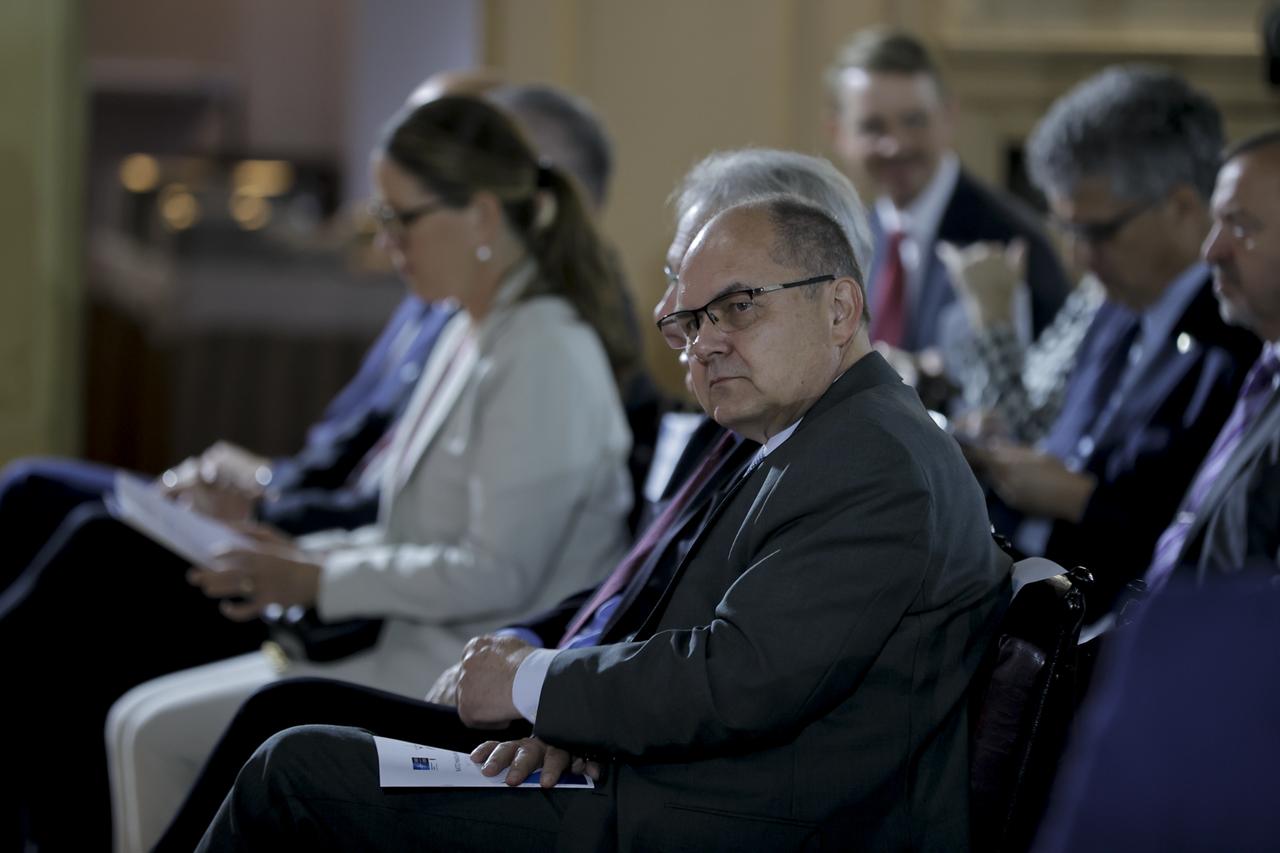
Bosnia and Herzegovina’s Central Election Commission called general elections for October 4, in which 518 officials will be elected and nearly 3,4 million registered voters will participate. The vote comes amid ongoing instability and tensions between the central authorities and the leadership in Republika Srpska where Milorad Dodik’s political camp remains influential despite his removal from office.
The political atmosphere grew even more tense when the current High Representative, Christian Schmidt, said at the beginning of May he would resign, clarifying he would stay on until a successor was appointed. His departure came after years of clashes with Dodik and Republika Srpska authorities, that questioned his legitimacy and opposed OHR-backed state level authority.
The Office of the High Representative (OHR) is an international institution created to lead the civilian implementation of the 1995 Dayton Peace Agreement that ended the Bosnian war. The High Representative is de facto a sort of ‘international referee’, overseeing Bosnia and Herzegovina’s post-war political structure and monitoring the respect of the constitutional order. The role was created under Annex 10 of the Dayton agreements and is supported by the Peace Implementation Council (PIC), a body of leading states and organisations involved in stabilising Bosnia.
“After nearly five years as High Representative to Bosnia and Herzegovina, a mandate anchored in Annex 10 of the Dayton Peace Agreement, Christian Schmidt has taken the personal decision to conclude his service to the implementation of peace in Bosnia and Herzegovina. He has informed the Peace Implementation Council Steering Board of his decision and requested that they begin the work of finding his successor”, the OHR confirmed on 11 May.
Schmidt’s tenure was marked by persistent tensions with Republika Srpska, the Serb-majority entity and one of the country’s two autonomous regions. Upon Schmidt’s appointment in 2021, Bosnian Serb leader Milorad Dodik immediately denounced him as illegitimate, arguing that his mandate lacked formal endorsement by the UN Security Council because of opposition from Russia and China. Schmidt nevertheless pledged to use all available political instruments to strengthen Bosnia’s institutions and advance its European Union integration. Dodik, who maintains close ties with the Kremlin, portrayed Schmidt as a direct threat to Republika Srpska’s autonomy and repeatedly dismissed him as “a tourist with no real authority.”
One of the most significant moves of his mandate was in 2023, when Schmidt amended the country’s penal code to allow the courts to prosecute politicians who reject the decisions by the top envoy. The same law would lead to the bar of Dodik from office, in 2025, for disrespecting the decisions of Schdmidt.
The announced resignation of Schmidt did not come as a full surprise. “For months, diplomats had been saying quietly that the Trump administration was putting a lot of pressure on Schmidt, while at the same time several major European players were cutting back their political support,” Adnan Cerimagic, an analyst at the European Stability Initiative, told the news agency France Presse.
The Frankfurter Allgemeine Zeitung (FAZ), which first reported Schmidt’s resignation, hinted at business interests tied to the Trump family and US pressure as possible factors behind his departure. Previous US administrations had been backing the High Representative against Milorad Dodik’s secessionist agenda, including by imposing sanctions on the Bosnian Serb leader and members of his network. But Dodik’s allies in Washington have ramped up their lobbying since Donald Trump’s return to power, successfully.
Schmidt’s announcement coincided also with a major regional energy deal. Bosnia and Herzegovina signed an agreement with Croatia in Dubrovnik to build a new gas pipeline that would help reduce Sarajevo’s reliance on Russian energy supplies ahead of the European Union’s planned ban on Russian gas imports. Bosnia directly selected the US-based AAFS Infrastructure and Energy as the investor and developer of the project. It’s run by Jesse Binnall, a former lawyer for President Trump. The decision was criticised by the EU and by Transparency International, which said the arrangement risked undermining the public interest by excluding competing bids and establishing a dangerous precedent.
After the announcement of Schmidt’s resignation, Russia (Dodik’s main ally together with Serbia) reiterated its long-standing calls for the full closure of the Office of the High Representative (OHR), claiming that the institution had outlived its mandate. Washington, on the other side, signalled also that any replacement for Schmidt would have a much more limited mandate, mainly overseeing the eventual closure of the OHR. Italian veteran diplomat Antonio Zanardi Landi has reportedly become one of the leading candidates to head the Office of the High Representative.
However, Schmidt’s resignation has opened a potentially decisive phase for Bosnia and Herzegovina’s post-Dayton order. And the question is no longer just who will succeed him, but whether the OHR will continue to have the authority to serve as a stabilising instrument in times of institutional crisis, such as the current ones, in the Balkan country.
Austria, the Czech Republic, Italy, Slovakia and Slovenia urged the European Commission to offer Western Balkan candidates broader, merit-based access to the EU single market as an incentive to sustain enlargement momentum and counter Russian influence.
In a confidential paper circulated in Brussels, the five countries proposed systematic sectoral integration, allowing candidates to join EU programmes progressively as they aligned with the acquis in specific areas. Suggested sectors included transport, energy, electricity markets, the digital single market, competitiveness and critical raw materials.
The paper also floated youth mobility benefits, while calling for safeguards if candidate countries backslid in terms of rule of law and democratic standards. However, analysts said the plan largely repackaged earlier gradual integration ideas and fell short of proposals for observer status in EU bodies.
Kosovo is heading for another snap parliamentary election on the 7th of June after parliament failed to elect a new president before the constitutional deadline, deepening a political crisis that has paralyzed institutions and delayed reforms since more than a year and a half.
The deadlock exposed divisions between Prime Minister Albin Kurti’s Vetëvendosje and the opposition main parties, the LDK and PDK. Brussels voiced concern over Kosovo’s third general election in less than 18 months, urging parties to restore institutional stability and warning that prolonged paralysis could jeopardize opportunities under the EU Growth Plan.
EU Enlargement Commissioner Marta Kos said progress towards accession depended on reforms and engagement in the EU-facilitated dialogue with Serbia. Kurti insisted Kosovo remained aligned with EU foreign policy and deserved a merit-based path but warned that enlargement delays created space for hostile actors.
Despite the crisis, Kosovo unlocked a first EU Growth Plan payment of more than € 60 million recently, though future disbursements could be slowed if reform obligations are missed.
NATO Secretary General Mark Rutte and Deputy Secretary General Radmila Shekerinska travelled to the Western Balkans to reaffirm the Alliance’s commitment to regional stability amid renewed geopolitical tensions and concerns over external destabilisation efforts. During a visit to Montenegro, Rutte warned that certain actors were seeking to pull the region backwards and undermine security but stressed that NATO remained determined to prevent the return of instability. He said the Alliance would identify and oppose any malicious activity on NATO territory.
Rutte linked the security situation in the Balkans to wider global tensions, citing Russia’s ongoing war against Ukraine, China’s increasingly assertive posture and instability in the southern neighbourhood as major strategic challenges.
Separately, Shekerinska met members of the Presidency of Bosnia and Herzegovina, underlining NATO’s support for the country’s sovereignty, territorial integrity and Euro-Atlantic stability. She stressed that lasting peace and security in Bosnia and across the Western Balkans remained important for the security of the broader Euro-Atlantic area.
The European Commission released fresh funding under the Western Balkans Reform and Growth Facility, allocating €49 million euros to Albania, €44,2 to Montenegro and €65,7 million to North Macedonia following a positive assessment of reforms implemented by the three countries. The Commission said the latest disbursement reflected progress in areas including business, competitiveness and innovation in Albania and Montenegro, as well as education and digitalisation in North Macedonia.
Part of the funds will be transferred directly to national budgets, while the remainder will support infrastructure and development projects through the Western Balkans Investment Framework (WBIF), particularly in transport, energy, digital infrastructure and human capital.
The payments form part of the EU’s broader Growth Plan for the Western Balkans, launched in 2023 to accelerate economic convergence, deepen reforms and integrate the region more closely into the EU single market ahead of accession. The Commission said total funding released under the mechanism since 2024 had reached 673,6 million.

Journalist based in the Balkans since 2005, he covers Central- and Eastern Europe for a wide range of media outlets, including the Italian national news agency ANSA, and the dailies La Stampa and Il Piccolo.
This website uses cookies to enhance your experience. Some are essential for site functionality, while others help us analyze and improve your usage experience. Please review your options and make your choice.
If you are under 16 years old, please ensure that you have received consent from your parent or guardian for any non-essential cookies.
Your privacy is important to us. You can adjust your cookie settings at any time. For more information about how we use data, please read our privacy policy. You may change your preferences at any time by clicking on the settings button below.
Note that if you choose to disable some types of cookies, it may impact your experience of the site and the services we are able to offer.
Some required resources have been blocked, which can affect third-party services and may cause the site to not function properly.