

The most relevant events of the area through international sources
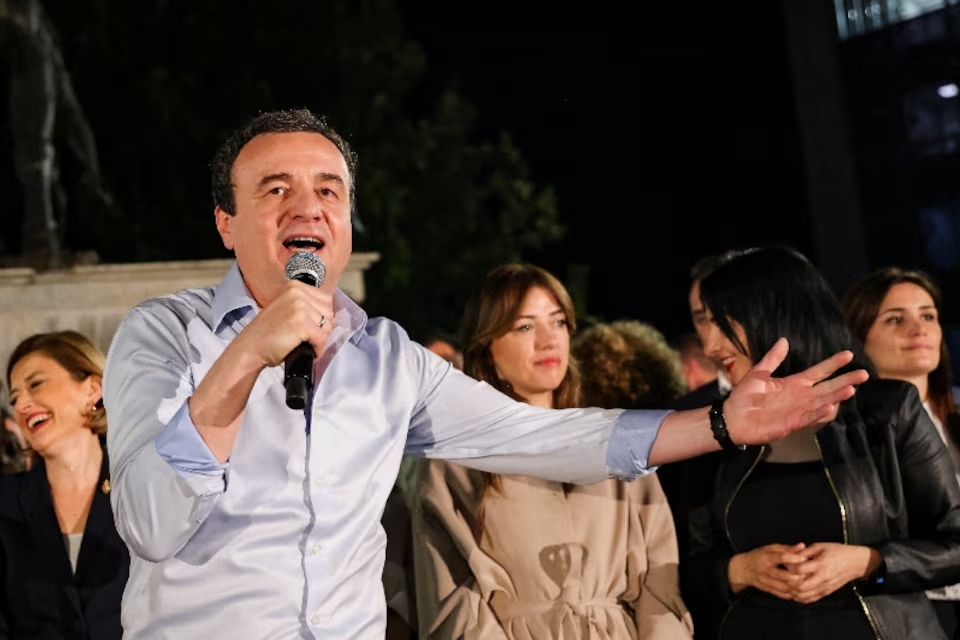
Kosovo’s parliament re-elected Albin Kurti as prime minister with 62 votes, months after his Vetëvendosje movement came first in June’s snap election. The vote ended one phase of the political deadlock, but instability persists over the election of a new president. Kurti had reached a deal with the LDK to support law professor Bekim Sejdiu, although several LDK MPs rejected the agreement. Failure to elect a president could trigger another snap election, the fourth in two years, further delaying reforms and access to EU funding.
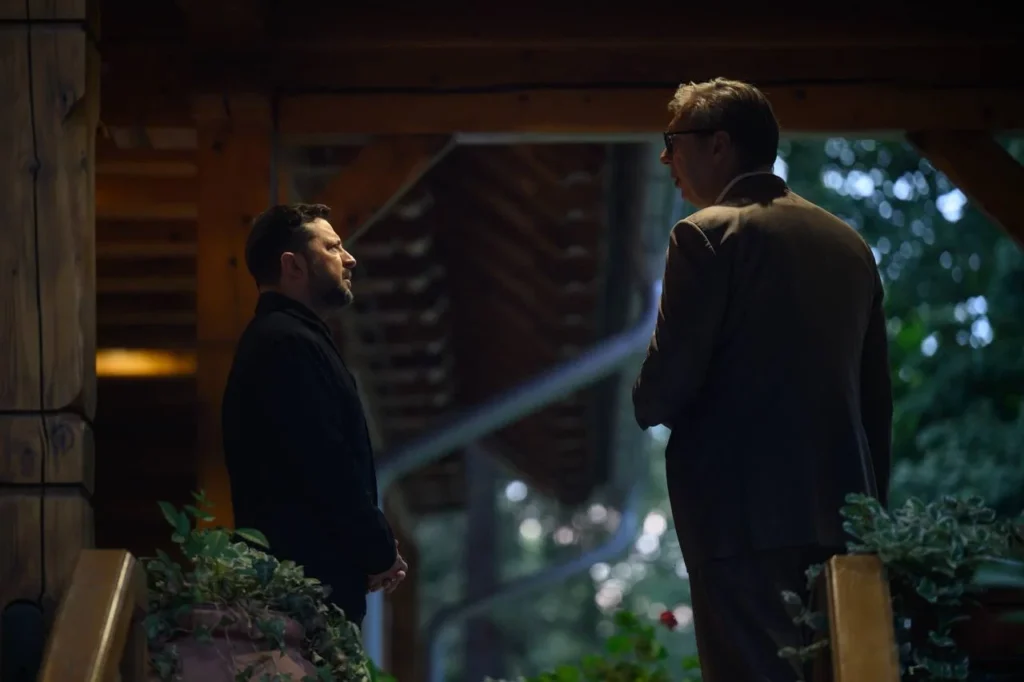
Aleksandar Vučić resigned as Serbia’s president on 27 September, cutting short his second and final term ahead of the 25 October parliamentary election. He stepped down to campaign as an “ordinary citizen,” he claimed, and signalled that he intended to return as prime minister if the SNS formed the next government. He had informed Vladimir Putin of his decision a day earlier about this tried and tested switch-over. Ana Brnabić became acting president, with an early presidential election due within 90 days.
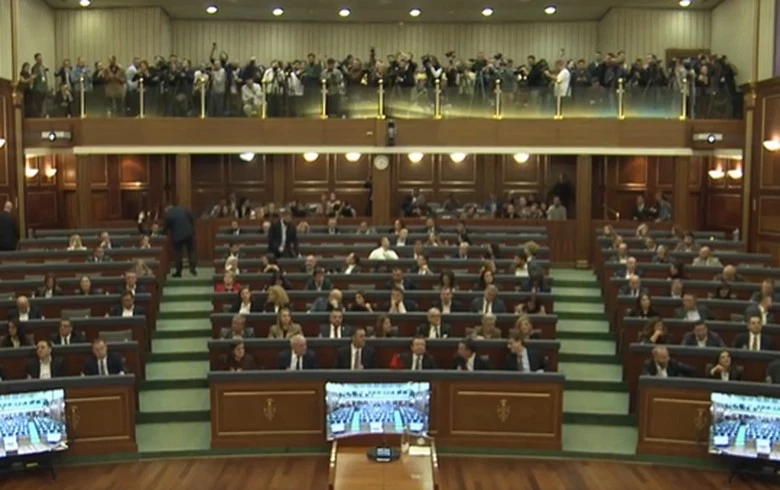
Kosovo’s parliament unanimously declared unacceptable the first-instance verdict against Hashim Thaçi, Kadri Veseli, Rexhep Selimi and Jakup Krasniqi. All 99 MPs present backed a declaration challenging the court’s finding that the former KLA leaders had pursued a common criminal purpose. The move followed protests in Pristina and came as the PDK party pushed legislation to narrow the powers of the Kosovo Specialist Chambers, deepening the political backlash against the Hague-based court.
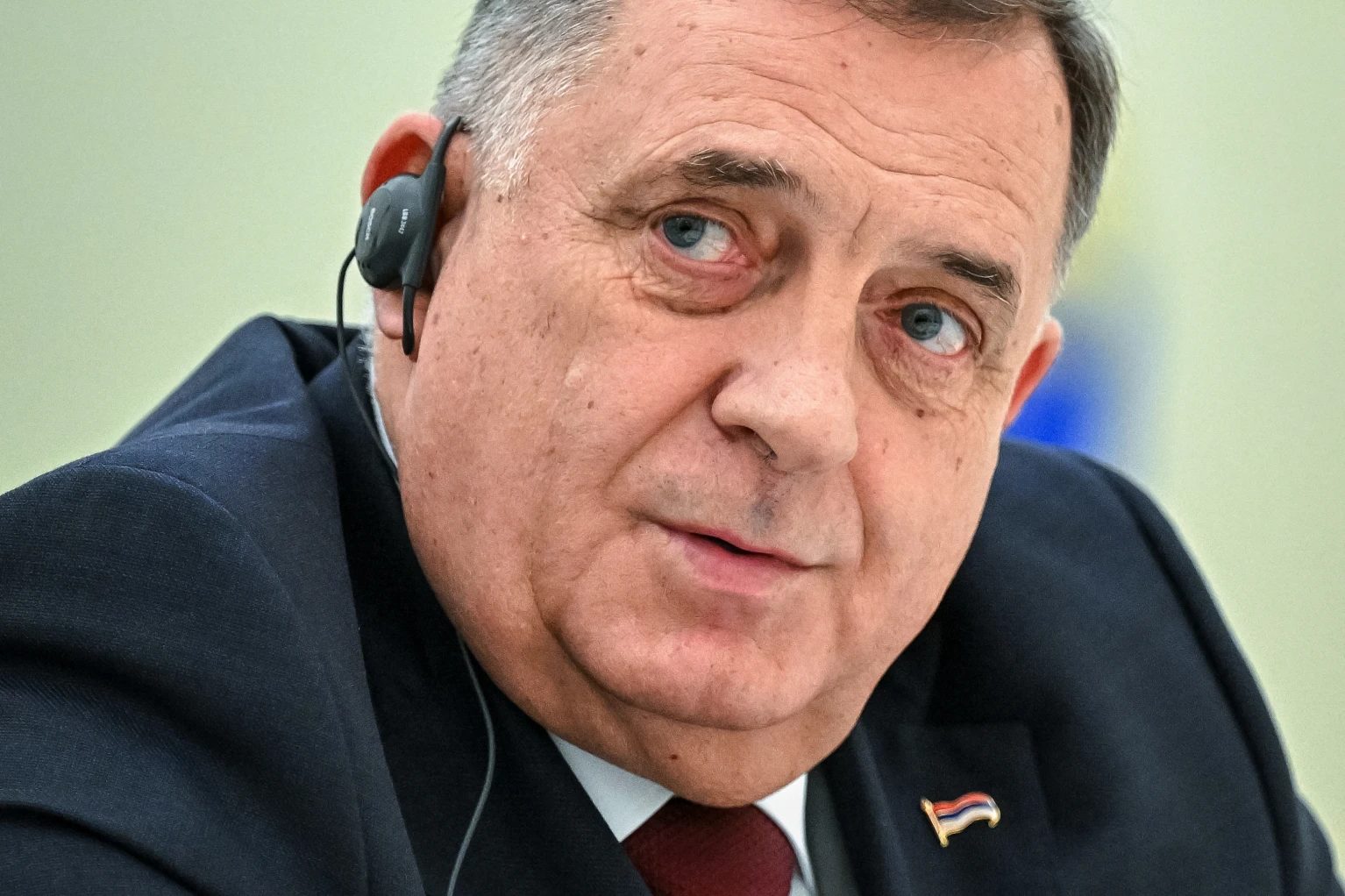
Bosnian Serb leader Milorad Dodik and Republika Srpska Prime Minister Savo Minić met Vladimir Putin in Moscow just days before Bosnia’s 4 October election, seeking renewed political backing from the Kremlin. Dodik, barred from holding public office but still leading the SNSD, the strongest party in the Bosnian Serb entity, remained a dominant force in Republika Srpska politics and one of Moscow’s closest allies in the Balkans. The visit highlighted Russia’s continuing influence in Bosnia amid tensions over Dodik’s separatist agenda and the country’s stalled EU path.
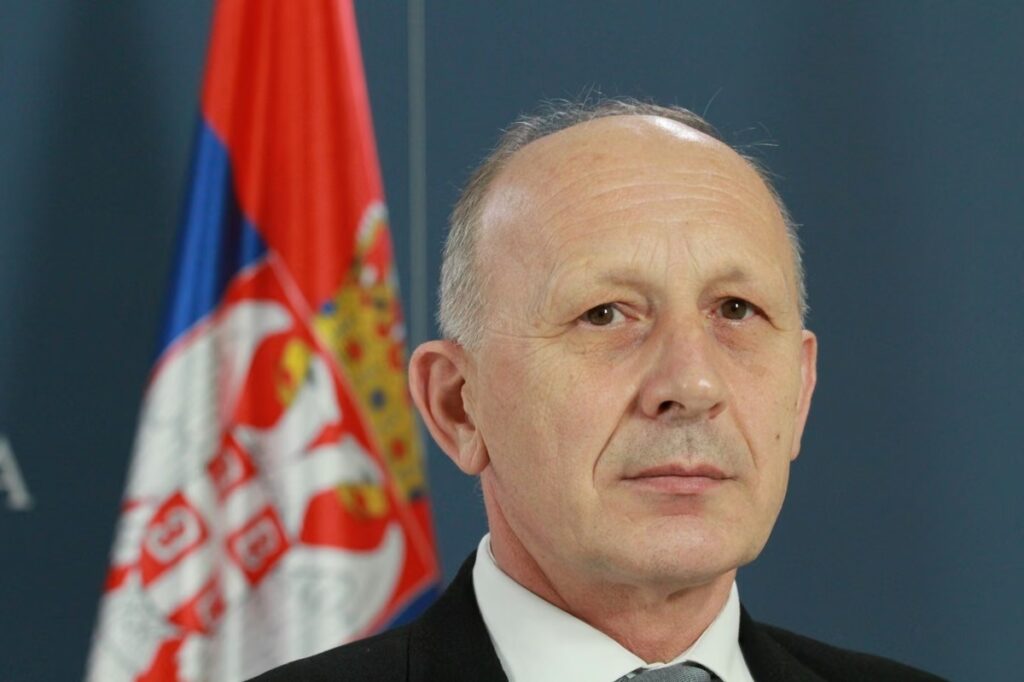
Just two days before resigning, Serbian President Aleksandar Vučić appointed Dragan Vladisavljević as the country’s new ambassador to Russia. A former military pilot and brigadier general, Vladisavljević also headed Serbia’s Military Intelligence Agency and served as defence attaché in Turkey before entering diplomacy. He had been ambassador to Azerbaijan since 2021 and previously led the Serbian government office responsible for negotiations with Pristina. He replaced Momčilo Babić in Moscow.
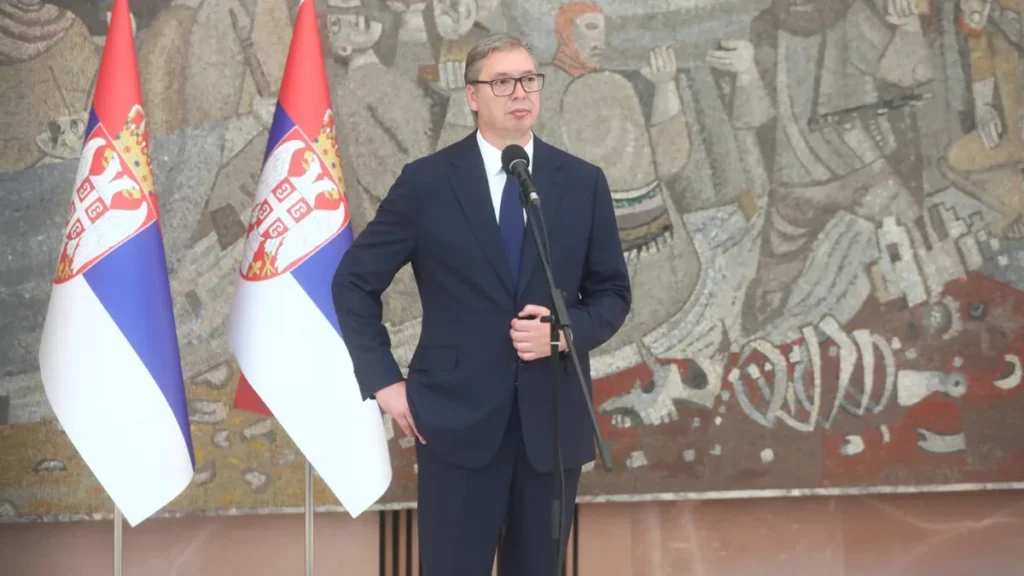
Republican US congressman Joe Wilson called on the European People’s Party to revoke the Serbian Progressive Party’s associate membership and sever all ties with it. In a letter to EPP president Manfred Weber, Wilson accused Aleksandar Vučić’s party of corruption, misuse of state resources and undermining democratic competition. He also cited concerns over Serbia’s electoral conditions and argued that the party no longer belonged within the EPP’s political family.
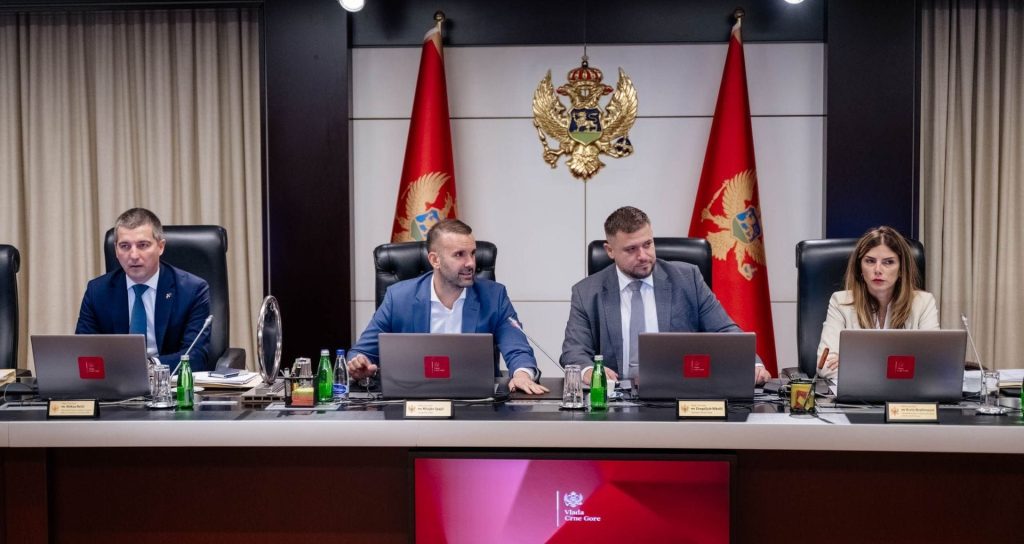
Montenegro decided to end its visa-free regime with Russia, Belarus and Turkey from the 1st of November as part of efforts to align fully with EU visa policy. Citizens of the three countries will require visas to enter, transit or stay in Montenegro. The government said existing bilateral agreements had to be terminated accordingly, although Podgorica planned a new arrangement with Turkey preserving visa-free travel for holders of diplomatic, official and special passports. The move marked another concrete step in Montenegro’s EU accession process.
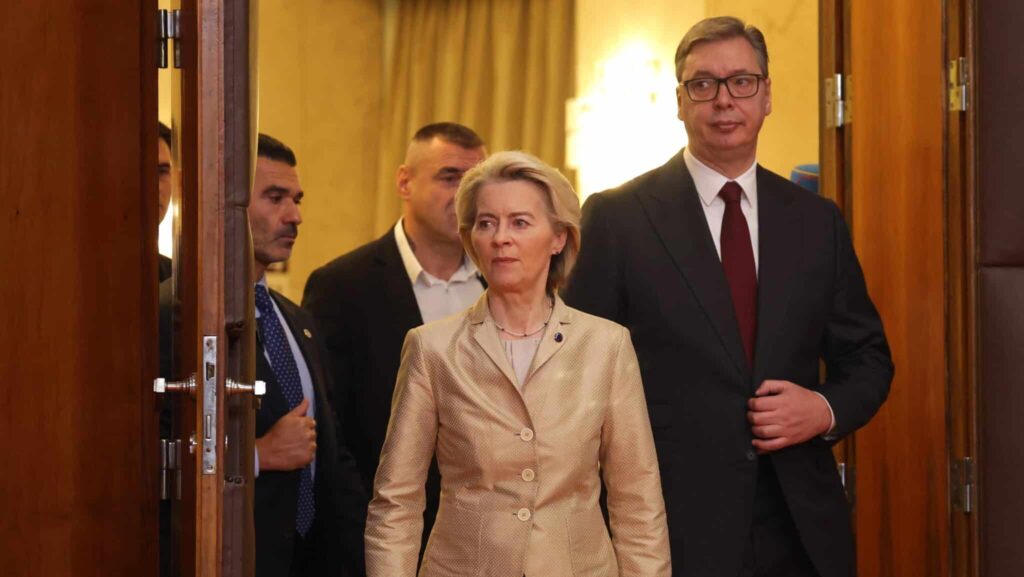
European Commission President Ursula von der Leyen left Serbia and Bosnia and Herzegovina off her 30 September–2 October Western Balkans tour, citing upcoming elections in both countries. She was due to visit Albania, Kosovo, Montenegro and North Macedonia instead. Serbian President Aleksandar Vučić suggested the elections were merely an “elegant” excuse, linking the decision to recent EU criticism of Belgrade over the honours paid to Ratko Mladić. Brussels said visits to Serbia and Bosnia would be rescheduled.
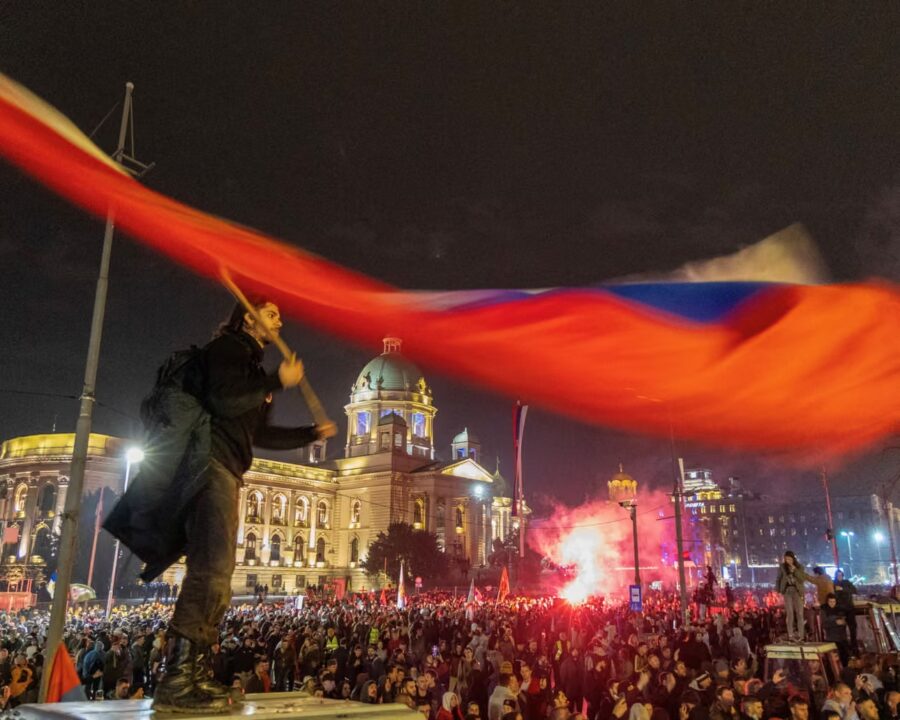
At least 14 members of Serbian civil society, including student protesters and at least one politician from the opposition, were targeted with advanced spyware in what digital-rights group SHARE described as the country’s largest documented surveillance campaign. Experts from Citizen Lab confirmed that at least one victim had been targeted with the Israeli Pegasus software, while other attacks involved the Serbian NoviSpy, previously linked to Serbian authorities. There was no evidence that the government was behind the Pegasus attack, Parliament Speaker Ana Brnabić said, rejecting claims that students had been spied on.
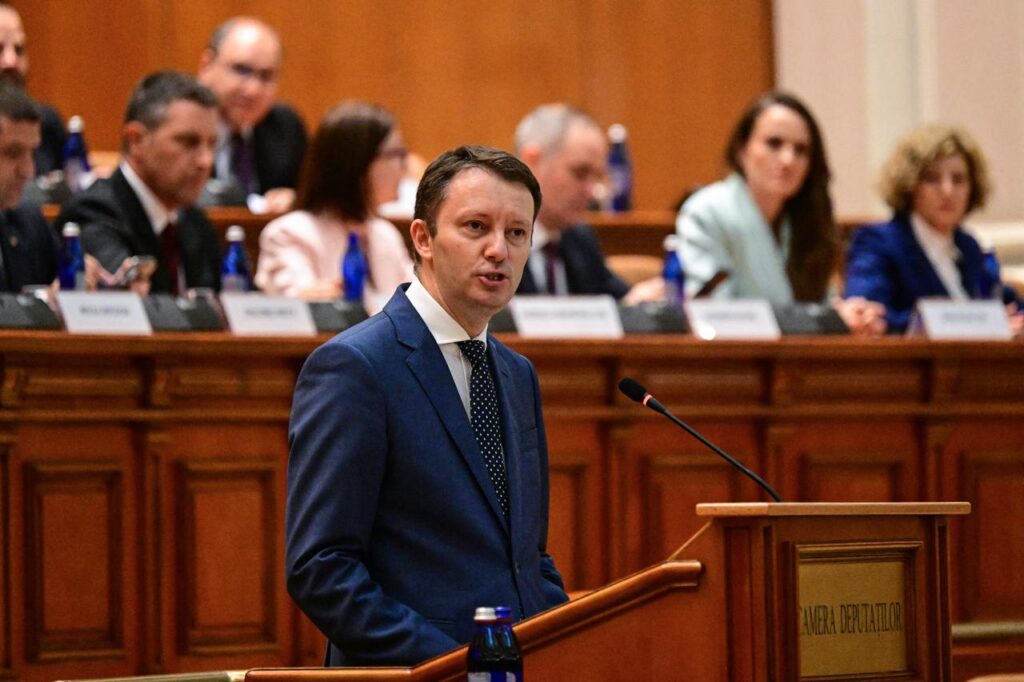
Romania’s parliament rejected Siegfried Mureşan’s proposed PNL-USR-UDMR government, which won just 182 votes in favour and 15 against, falling 51 short of the 233 needed for investiture. PSD and AUR boycotted the vote, deepening the country’s political crisis. USR leader Dominic Fritz called for early elections and ruled out backing a new PSD-led cabinet, while PSD leader Sorin Grindeanu said his party was ready to take responsibility for forming a government. The initiative now returns to President Nicuşor Dan.
Florian Bieber is professor of Southeast European History and Politics at the University of Graz and coordinator of the Balkans in Europe Policy Advisory Group (BiEPAG).
BiEPAG has recently urged European Commission President Ursula von der Leyen to postpone her planned visit to Serbia until after the parliamentary elections, warning that such a high-level visit could be instrumentalised as European support for the incumbent authorities. Why did BiEPAG consider this intervention necessary, and what is at stake for the EU’s credibility in Serbia?
EU capitals have turned a blind eye to the Serbian reality and sought to maintain good relations with “dear Aleksandar”. Vucic offered just enough talk of EU integration, promises of lithium mines, the purchase of French fighter jets, and other favours to keep this reality at bay.
A clear signal would be for Ursula von der Leyen not to visit Belgrade during her Western Balkan tour in October. The regime would likely already abuse such a visit ahead of parliamentary elections and spin it as EU support for Vučić. Otherwise, the EU is unlikely to take any significant step ahead of the election for fear of a negative impact.
However, after the elections, it will be time for a major stocktaking. If Vučić is defeated, it will be time for a new approach, and if Vučić prevails, relations will have to be re-examined. Much will depend on the extent of regime interference in the electoral process.
(Editor’s note: After this interview was conducted, the European Commission announced that Ursula von der Leyen would postpone her planned visit to Serbia until after the 25th of October snap parliamentary elections. Serbia and Bosnia and Herzegovina were removed from her 30 September–2 October Western Balkans itinerary, with the Commission citing the upcoming elections in both countries).
Ratko Mladić’s funeral once again brought the legacy of the wars of the 1990s to the centre of public debate. What did the political and public reactions surrounding his funeral reveal about nationalism, historical memory and the place of the wartime past in Serbia today?
The outrage was widespread across Europe when Ratko Mladić received a de facto state funeral in Belgrade on the 7th of September. A convicted war criminal responsible for the genocide in Srebrenica, he embodied the worst of the 1990s.
More striking than the outrage was the surprise in many European capitals. The glorification of a war criminal in Serbia and Republika Srpska took many by surprise, revealing how little many European capitals had realised the extent to which the Serbian government had led society down the dark path of historical revisionism and denial of past crimes.
Mladić’s funeral can easily lead to the wrong conclusions. The thousand mourners, including football hooligans unfurling his image, highlight that support for Mladić is not just government policy but also has social roots. The flawed conclusion could be that the regime is only following popular opinion and reflecting society.
While the denial or even glorification of war crimes has broader support than just among the regime, it has been systematically promoted by the ruling party and its media over the past decade. Such views were strong before SNS came to power and will persist afterwards. However, without government promotion, it would be much less powerful, and there would be more space for a social dialogue on the past.
Serbia is approaching parliamentary elections in an exceptionally polarised political environment. What is genuinely at stake in this vote, and to what extent can the elections offer a meaningful test of public support given continuing concerns over media freedom, institutional independence and the conditions for political competition?
It is clear that the regime has a lot to lose, as the elections are not just about the SNS staying in power, but also about many of its cronies and key figures not going to jail, Dubai or Moscow.
Even if Vučić believes he can win, otherwise he would not have called the elections, the elections will be the most closely contested since SNS has been in power. Vučić and SNS are thus unlikely to make major concessions and will try to keep the election process under their control.
With time short, there is little the EU can do to help secure free and fair elections. This does not mean the EU should not be preparing for the period after 25 October. If the student list, together with opposition parties or alone, wins, it will be a messy and uncertain period during which the EU can provide critical assistance. If Vučić wins, probably not fairly, Serbia might drift toward even more authoritarian rule.
How should the European Union engage with Serbia during the election period? Where should it draw the line between maintaining necessary political dialogue and avoiding actions that could be interpreted as legitimising or favouring the government during the campaign?
Serbia is neither close to Russia nor as large and important as Turkey, which suggests that strong EU measures might have more impact. However, the focus should not be punishing on Serbia’s government but rather finding more ways to support critical democratic voices. This will be critical in the period ahead.
Ahead of the elections, putting pressure to improve conditions can make a difference. With time short, there is little the EU can do to help secure free and fair elections.
Either way, relations between the EU and Serbia are unlikely to muddle along as they have in recent years. Mladić’s funeral is likely to accelerate the EU’s distancing from the Vučić regime, much too late. If the funeral is the first act, the elections might be the second.
Strategic trends
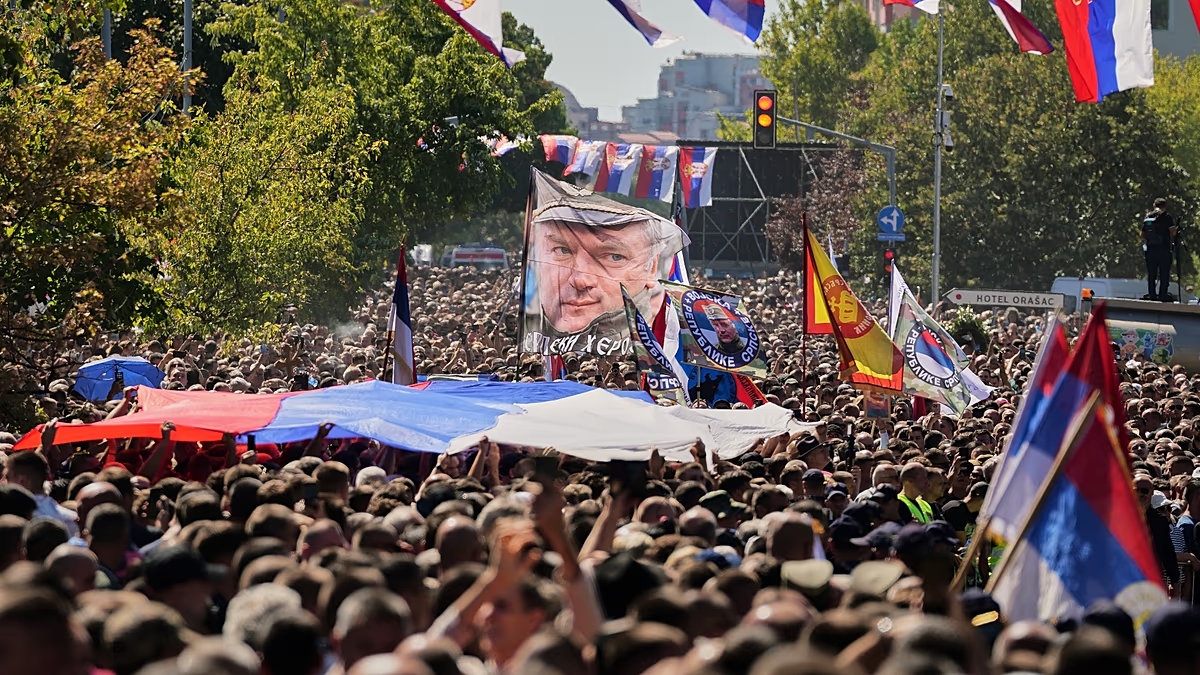
The funeral of Bosnian Serb military commander Ratko Mladić, widely known as the “Butcher of Srebrenica”, cast a long shadow over Serbia’s path towards the European Union in September.
Mladić had died in August, at the age of 84, while in a prison hospital in The Hague, where he was serving a life sentence for war crimes, crimes against humanity and genocide. His body was flown back to Serbia on a state aircraft, accompanied by the Serbian justice minister. The honours paid to him after his death (military honours, though not full state honours), raised fresh questions in Brussels and beyond over Serbia’s commitment to the values expected of an EU candidate country, particularly reconciliation, respect for international war-crimes verdicts and good-neighbourly relations. They also heightened tensions between Belgrade and its neighbours.
In the days after his death, pro-government tabloids in Serbia openly praised Mladić, helping to set the tone for the commemorations that followed. The first was held in Belgrade two days before his burial, drawing dozens of former military personnel, members of his family and public officials. Among them were Serbian Justice Minister Nenad Vujić, Republika Srpska President Siniša Karan, Republika Srpska Interior Minister Željko Budimir and former Serbian prime minister Nikola Šainović, himself convicted by the Hague Tribunal for crimes committed during the Kosovo war. The ceremony was held at the House of the Army, in the centre of Belgrade.
The funeral itself saw the participation of thousands of people, who had already gathered in Belgrade from the early morning ahead of the service for the convicted war criminal, held at a church on the outskirts of the capital. Serbian Justice Minister Nenad Vujić had initially announced that Mladić would receive “military and state honours”, triggering international outrage, before Serbian President Aleksandar Vučić scaled back the plans. Vučić rejected accusations that the authorities were glorifying the former general, describing the ceremony as being in line with the wishes of Mladić’s family. As mourners streamed into the church, Mladić’s son Darko, who formally organised the event, stood at the front, with the coffin placed at the centre and surrounded by a rotating guard of soldiers and veterans.
Several thousand people then paid their respects to Mladić’s body before it was transferred to Košutnjak cemetery, where he was buried near his daughter, who died by suicide in 1994. Police closed streets in the surrounding area as buses carrying mourners from outside the capital, including from Republika Srpska, arrived nearby. A long queue formed outside the church, with many war veterans wearing army berets and others dressed in shirts praising Mladić. At the end of the funeral, Mladić was accorded military honours by dozens of uniformed Serbian soldiers.
Those attending included, among others, Russia’s ambassador to Serbia, as well as six serving Serbian government ministers: Justice Minister Nenad Vujić, Defence Minister Bratislav Gašić, Culture Minister Nikola Selaković, Labour Minister Milica Đurđević Stamenkovski, Public Investments Minister Darko Glišić and Minister without Portfolio Nenad Popović. Together with them also former minister Aleksandar Vulin, opposition MP and Novi DSS leader Miloš Jovanović, and Danilo Vučić, the Serbian president’s son. The Republika Srpska leadership was also heavily represented.
Perhaps reflecting a degree of political caution, Serbia’s three highest-ranking state officials were, however, notably absent from the funeral: President Aleksandar Vučić, Prime Minister Đuro Macut and National Assembly Speaker Ana Brnabić. Vučić had said beforehand that he would not attend because he was hosting Uzbek President Shavkat Mirziyoyev on a previously scheduled two-day state visit.
Reactions to the attitude of Serbia’s political leadership before and during the funeral were, in general, harsh. European Commission President Ursula von der Leyen and European Council President António Costa described the presence of senior Serbian officials and elements of official support at Mladić’s funeral as “deeply regrettable”. They said it demonstrated “a failure to confront a dark chapter in Europe’s recent history” and contradicted the values underpinning Serbia’s path towards the European Union. The criticism had begun even before the funeral: EU Enlargement Commissioner Marta Kos cancelled a planned visit to Belgrade after the Serbian authorities flew Mladić’s body back from The Hague on a government aircraft and plans emerged for official honours. Kos warned that the glorification of convicted war criminals was incompatible with the values of reconciliation and respect for victims expected from countries seeking EU membership.
The reaction was even sharper in the region. Bosnia and Herzegovina expelled two Serbian diplomats after several Serbian officials attended the funeral, with Foreign Minister Elmedin Konaković accusing Belgrade of having crossed “every red line”. Sarajevo also moved to downgrade diplomatic contacts with Serbia. Croatia was equally outspoken. Prime Minister Andrej Plenković argued that the honours paid to Mladić showed that Serbia — as well as political leaders in Republika Srpska — had failed to confront the legacy of the wars of the 1990s and the fundamental values required for European integration. He bluntly questioned how Serbia could advance towards the EU while honouring a convicted war criminal, saying that “this way” it certainly would not. Plenković later also criticised what he considered the European Commission’s initially weak response to the funeral and called for a reaction from the EU’s top leadership.
The controversy could also have consequences for an EU accession process that had already been stalled for years. Serbia has opened 22 of 35 negotiating chapters, but no new cluster had been launched since December 2021. The Mladić affair adds another sensitive issue to relations with Brussels, raising fresh doubts over Serbia’s commitment to reconciliation and potentially making it harder to secure the support needed from EU member states for further progress.
Serbia will hold snap parliamentary elections on 25 October, more than a year before the legislature’s mandate was due to expire, after President Aleksandar Vučić dissolved parliament, following a government request.
The vote will arrive after a political crisis that has gripped the country for almost two years, driven by mass anti-government protests that erupted after the collapse of the Novi Sad railway station canopy in November 2024 killed 16 people.
The election will also mark a major personal gamble for Vučić. After more than a decade at the centre of Serbian politics, first as prime minister and then as president, he resigned from the presidency on 27 September in order to run again for prime minister, as he was constitutionally barred from seeking a third presidential term. His Serbian Progressive Party, in power since 2012, will seek another mandate amid persistent criticism over corruption, media freedom, pressure on opponents and the conduct of previous elections — accusations the authorities reject.
For the first time, the ruling bloc will face a nationwide challenge directly rooted in the protest movement. A student-led list, called “Studentska Lista”, backed by academics, professionals, intellectuals, civil society and other public figures, formally entered the race in September. The movement has sought to turn nearly two years of street mobilisation into an electoral challenge centred on accountability, the rule of law and institutional reform.
The campaign is expected to be highly polarised. Questions over media access, pressure on independent journalists, the accuracy of the electoral roll and the use of state resources remain central to concerns about the fairness of the vote. The 25th of October election will also test the durability of Vučić’s political dominance and testify whether the protest movement can translate its large-scale mobilisation into parliamentary representation. And to what extent.
Former Kosovo president Hashim Thaçi, one of the most important political leaders in post-war Kosovo, was sentenced to 25 years in prison by the Kosovo Specialist Chambers (KSC) in The Hague after being convicted of war crimes committed during the 1998–1999 conflict.
The former political leader of the Kosovo Liberation Army (KLA) was found guilty of illegal or arbitrary detention, cruel treatment, torture and murder. The judges held him criminally responsible for crimes involving hundreds of victims, including 96 murders. He was, however, acquitted of crimes against humanity.
Three other former senior KLA figures were convicted in the same case. Former parliament speaker Jakup Krasniqi also received a 25-year sentence, while Kadri Veseli was sentenced to 18 years and Rexhep Selimi to 13. All four had pleaded not guilty and will submit an appeal.
The verdict triggered strong reactions in Kosovo, where Thaçi and the other former KLA leaders remained highly influential symbols of the 1998–1999 war. Demonstrations were held in Pristina and The Hague, while political leaders sharply criticised the sentences and renewed attacks on the legitimacy and conduct of the Specialist Chambers.
The ruling also reopened a broader political debate over the court itself. Established by Kosovo’s parliament in 2015 but staffed by international judges and based in The Hague, the Specialist Chambers had long been deeply unpopular among many Kosovo Albanians. The Thaçi verdict intensified demands from political parties and veterans’ groups for changes to the legal framework governing the court.
NATO moved ahead in September with plans to gradually reduce and reshape its KFOR mission in Kosovo, citing a steady improvement in the security situation.
Briefing the North Atlantic Council on 15 September, KFOR commander Major General Özkan Ulutaş said the “optimisation” process was intended to keep the mission fit for purpose and would remain conditions-based, gradual and fully reversible if the situation deteriorates in the future.
NATO had announced in June that KFOR would be adjusted over the following year, with Secretary General Mark Rutte indicating that troop numbers could fall from around 4.700 to between 3.000 and 3.500, broadly returning to pre-2023 levels. The Alliance stressed, however, that KFOR would retain the capabilities and readiness needed to fulfil its UN mandate and respond to security threats.
NATO also reiterated its support for the EU-facilitated dialogue between Belgrade and Pristina, completely stalled currently, and described the Western Balkans as a region of strategic importance.
Economic growth in the Western Balkans is expected to strengthen despite growing pressure from drought, energy costs and tighter financing conditions.
In its September outlook, the EBRD forecast regional growth of 3,0% in 2026 and 3,5% in 2027, supported by stronger investment, tourism and improving external demand. But the Bank warned that water scarcity and extreme weather were becoming increasingly important economic risks.
Low water levels on the Danube had disrupted transport and trade, while drought reduced hydropower generation and pushed up electricity prices across interconnected markets. The region also remained vulnerable to expensive energy imports: Bosnia and Herzegovina and North Macedonia were among the economies facing the largest increases in import costs.
The EBRD said greater investment in energy resilience, renewables and infrastructure would be crucial to sustaining growth.
Journalist based in the Balkans since 2005, he covers Central- and Eastern Europe for a wide range of media outlets, including the Italian national news agency ANSA, and the dailies La Stampa and Il Piccolo.
This website uses cookies to enhance your experience. Some are essential for site functionality, while others help us analyze and improve your usage experience. Please review your options and make your choice.
If you are under 16 years old, please ensure that you have received consent from your parent or guardian for any non-essential cookies.
Your privacy is important to us. You can adjust your cookie settings at any time. For more information about how we use data, please read our privacy policy. You may change your preferences at any time by clicking on the settings button below.
Note that if you choose to disable some types of cookies, it may impact your experience of the site and the services we are able to offer.
Some required resources have been blocked, which can affect third-party services and may cause the site to not function properly.