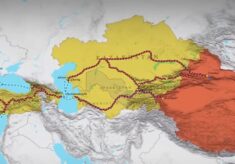
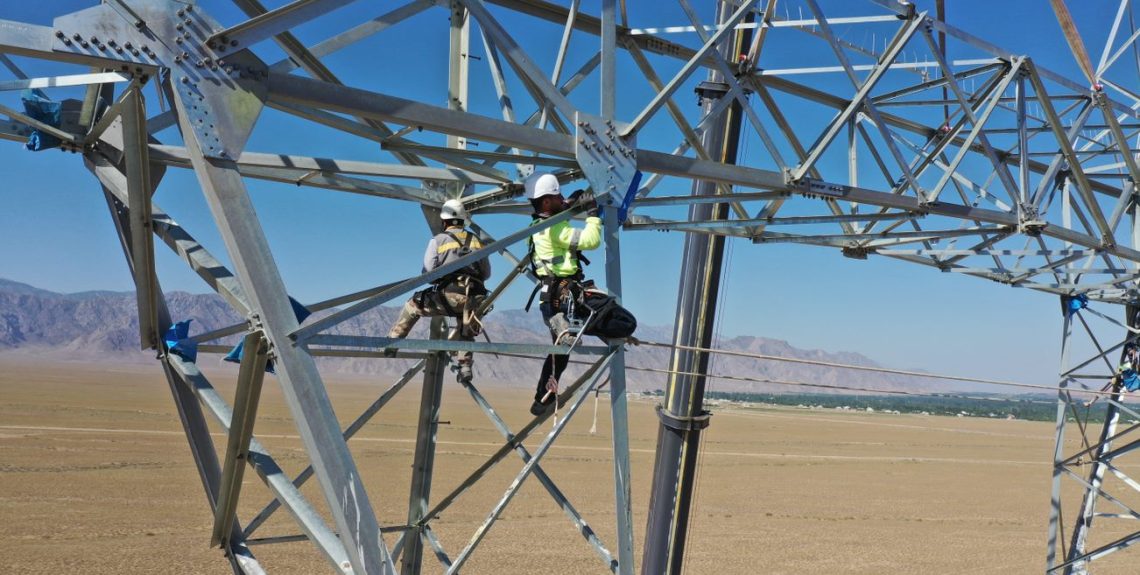
The atmosphere of economic cooperation and political dialogue that has characterised Central Asia over the past eight years has made possible the achievement of another milestone: the resumption of work on the CASA-1000 Project (Central Asia–South Asia), a high-voltage transmission line designed to transport “clean” electricity generated in Kyrgyzstan and Tajikistan through Afghanistan and Pakistan.
The strategic importance of this project lies in the opportunity for Bishkek and Dushanbe to export surplus electricity during the summer (peak production) to the Afghan and Pakistani markets, which experience high levels of energy consumption. This creates the possibility for these hydrocarbon-deprived nations, dependent on gas and oil imports from Russia or neighbouring Central Asian countries, to strengthen their energy security by meeting domestic demand, while simultaneously establishing themselves as exporting countries, thereby fostering regional energy cooperation through a progressively integrated electricity grid.
To achieve their hydroelectric power generation objectives, Tajikistan and Kyrgyzstan are developing two large power plants: Rogun (a dam on the Vakhsh River) and Kambarata (a dam on the Naryn River). The Italian company WeBuild is involved in the construction of the Vakhsh River dam, regarded as the tallest in the world, which will double Tajikistan’s energy production (WeBuild, Progetto idroelettrico di Rogun, n.d.).
Although CASA-1000 is an “old” project conceived in the first decade of the century during the US and NATO military presence in the post-Soviet region following the events of 11 September 2001, a combination of insufficient investment, mutual vetoes among the Central Asian republics (which prevented the development of hydroelectric potential in Tajikistan and Kyrgyzstan), and the return of the Taliban to power in Afghanistan in August 2021 has significantly slowed its implementation.
Until 2016, the sharp opposition between water-rich Tajikistan and Kyrgyzstan and the downstream countries, that rely on water for cotton irrigation, blocked all initiatives to exploit this vast hydropower potential. Much of Central Asia’s water originates in the mountains of Kyrgyzstan and Tajikistan, leaving the downstream countries (Uzbekistan, Kazakhstan and Turkmenistan) dependent and anxious about the consequences of upstream hydropower projects. However, after Karimov’s death, the new Uzbek president, Shavkat Mirziyoyev, adopted a more conciliatory and pragmatic stance regarding the Rogun and Kambarata projects, aiming to establish an integrated Central Asian water system and to foster the development of a regional electricity market.