
Economic and energy diversification remain key cornerstones of Turkmenistan’s development strategy, aimed at enhancing the country’s visibility at both the regional and international levels. In early January, Turkmen President Serdar Berdymukhamedov identified the completion of the Serhetabat–Herat gas pipeline (a key segment of the TAPI interregional pipeline) and the development of new production phases at the giant Galkynysh gas field as priorities of the national economic and energy agenda for 2026 (Turkmenistan Golden Age, Meeting of the Cabinet of Ministers of Turkmenistan, 9 January 2026).
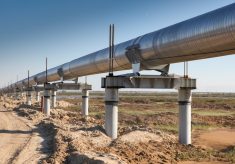
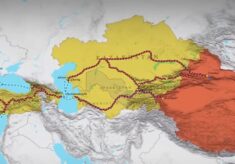
The realisation of the TAPI pipeline would enable Ashgabat to implement its export diversification strategy by opening a new corridor designed to transport 33 billion cubic metres (bcm) of Turkmen natural gas to the Indian and Pakistani markets via Afghanistan. Within the framework of the dialogue on infrastructural cooperation established with the Taliban authorities, Turkmenistan has committed to financing the construction of the gas pipeline from the border town of Serhetabat to the Afghan city of Herat, to accelerate the completion of a strategic corridor for the country.
This section is expected to be linked to the already operational gas pipeline that carries natural gas from the Galkynysh field to the Turkmen–Afghan border. The TAPI pipeline would strengthen Turkmenistan’s role as a regional and global energy supplier, securing revenues from hydrocarbon exports to India and Pakistan. Nevertheless, the Taliban’s uncertain commitment to ensuring the security of the pipeline, the lack of international recognition of the Afghan government, and unresolved tensions between India and Pakistan continue to delay the possibility of attracting external investment to complete the infrastructure (F. Indeo, TAPI Gas Pipeline: a paradigm of the Central Asian pragmatic approach toward the Taliban, TRENDS Research & Advisory Insight, 28 April 2025).