The Mediterranean is now at the centre of new global energy routes. In a scenario marked by geopolitical uncertainty and the need to diversify supply sources, regasification terminals (onshore and offshore) are taking on an increasingly strategic role. These infrastructures allow Liquefied Natural Gas (LNG) to be received from third countries (such as the United States, Qatar and Algeria) and converted into gas for injection into European networks. However, the rapid expansion of this network – often accelerated by regulatory exemptions, as in the case of Italy – raises fundamental questions in terms of physical, cyber, environmental and, above all, strategic security.
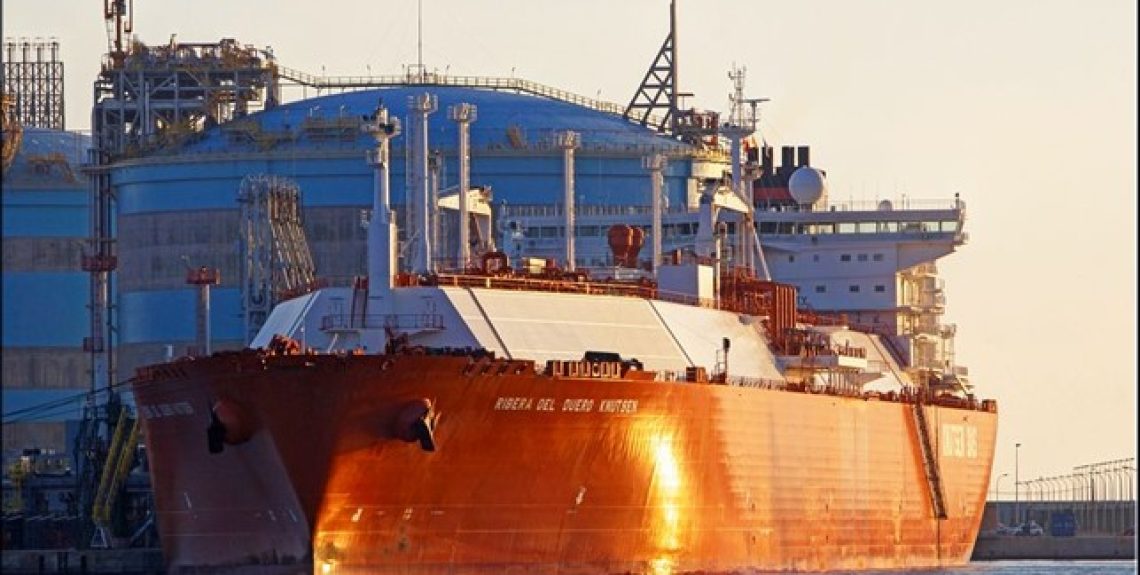
Regasification plants, particularly floating ones (FSRU – Floating Storage Regasification Unit), are becoming critical assets and potential sensitive targets in an area marked by historical tensions and new rivalries.
A vulnerable network in the heart of the Mare Nostrum
There are currently more than 15 regasification plants operating in the Mediterranean. Spain leads the way with seven terminals, followed by Italy, France, Greece, Turkey and Egypt (a figure that could be exceeded with the entry into operation of new projects and FSRUs, given the rapid development of the sector; some are already underway). Italy has moved quickly since 2022, activating the floating unit in Piombino in record time, alongside the one already operating off the coast of Livorno and the terminal in Porto Viro (Rovigo).
Many of these facilities are located in densely populated areas, close to ports, industrial centres and critical infrastructure. Their protection requires a thorough assessment of systemic risks, which include:
physical or cyber sabotage;
terrorist or “hybrid” attacks, such as those already observed against other energy infrastructure in Europe;
ship collisions, especially in areas with heavy maritime traffic;
extreme events related to climate and coastal morphology.

The attack on the Nord Stream gas pipelines in 2022 marked a turning point in the perception of threats to energy infrastructure. It demonstrated that strategic assets can be targeted outside of a declared conflict, in a logic of “grey warfare”.
In the Eastern Mediterranean, recurring tensions between Greece, Turkey and Cyprus make it even more urgent to protect maritime facilities and routes. Regasification plants are not just technical infrastructure: they are symbols and instruments of geopolitical projection, capable of influencing regional and transatlantic power relations.
The NATO and EU response: resilience and cooperation
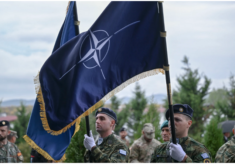
In its Madrid Strategic Concept (2022), NATO explicitly included the protection of critical infrastructure among the Alliance’s priorities. Energy security is no longer just an economic or industrial issue: it is an integral part of collective defence. However, action remains fragmented. Maritime surveillance activities, joint exercises and intelligence sharing can help strengthen deterrence, but the following are also needed:
permanent operational mechanisms between member countries and Mediterranean partners;
cross-border emergency plans;
integrated civil and military simulations;
greater interoperability in cyber defence systems applied to energy facilities.
At EU level, programmes such as REPowerEU have promoted the expansion of LNG terminals, but the issue of security remains secondary to that of supply. Here too, integration between energy policies and security strategy needs to be strengthened.
Italy, due to its geographical location, existing infrastructure and Euro-Atlantic membership, can play a leading role in building “Mediterranean energy security”. To do so, it must act on several fronts:
improve the governance of facilities, avoiding regulatory grey areas;
strengthen coordination between civil, industrial and military actors;
promote transparent communication with local communities;
enhance its position as an energy hub, in synergy with African and Middle Eastern partners.