Everybody talks about the tariffs imposed by the Trump administration, but who is most affected by these measures? Not the individuals who can travel to and work in the US in compliance with the visa rules and nor the big companies (BC), that probably have already set up several facilities within the USA or have the capability of redistributing the tax burden quite easily. It is believed that among the entities hit the hardest are the small and medium-sized enterprise (SME).
Many of them represent an excellence in their industry and some are the backbone of the economy in their own country and have often relied on exports. They have a special cluster of suppliers which in most cases are not located in the US and therefore the slogan “come and produce here your goods” does not really suit them.
Now let’s have a look at the huge capital available around the world and how much money has been put in circulation in recent years, among other things, in order to address pandemics, the different conflicts in various parts of the world or even to address the alleged threat of a war in the aftermath of the EU’s decision to implement an 800 billion Euro plan for rearm.
Basically, in our economic system, money is often sought for some sort of profit and, indeed for quite a while now, a significant acquisition process concerning SMEs by investment funds has been under way. However, the introduction of a heavy tariffs scheme in the USA (a nation that has always been inspired by the principles of the free market) may encourage and boost these acquisition processes.
On the other hand, a corporate model, based on a group of large companies, could be more functional to the dollar system as they would primarily depend on the US currency. For the sake of clarity, we can argue that the larger the company the greater the amount of loans taken out in the US currency and the larger the company the bigger the urge to implement some lobbying activities.
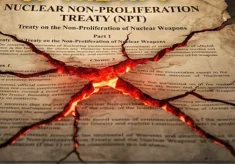
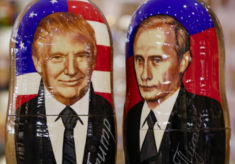
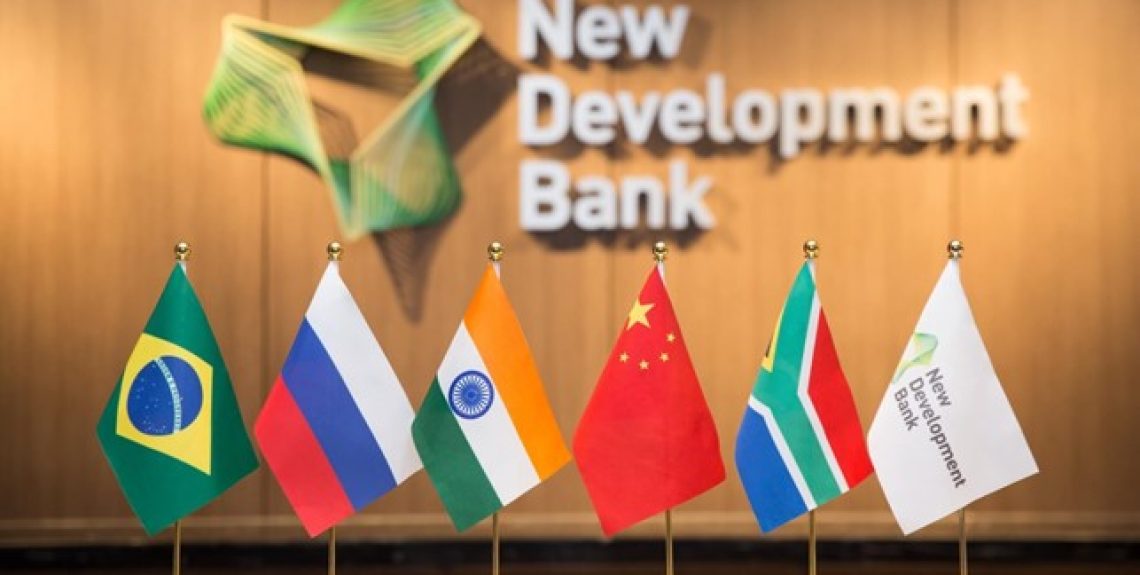
The new US administration, unlike the previous ones, is taking the BRICS threat seriously enough, and to prove the point, we just need to look at Trump’s sudden shift of policies on the war in Ukraine as well as the decision to resume the negotiations with Iran that marks a radical change after the 2018 unilateral withdrawal from the JCPOA (Joint Comprehensive Plan of Action) non-proliferation agreement.
We should not take for granted the BRICS not succeeding sooner or later in setting up a financial system that might pose a challenge to the dollar, if we just consider that the holders of the major commodities (Saudi Arabia was also invited) have joined the BRICS countries.
As suggested by an authoritative study of the Cambridge University resumes “BRICS’ coalitional de-dollarization initiatives have established critical infrastructure for a prospective alternative nondollar global financial system”, (Can BRICS De-dollarize the Global Financial System? Published online by Cambridge University Press: 24 February 2022).
Moreover, “It is critical to study broader mobilization away from the US dollar that takes place in the digital space, considering the role of both state and non-state actors. (…) the fintech sector is evolving rapidly, and it is linked to many other issue areas, such as cross-border payments, e-commerce, and financial security in cyberspace. Thus, examining the potential role of cryptocurrencies sponsored by private actors in de-dollarization is crucial. Certain BRICS members, such as China, are leading in this space and seek to become the new global agenda-setters and norm-makers”.
An upgrade of an economic and financial structure with a massive presence of BC and the re-opening of broad negotiations with Russia are likely to be parts of a consistent strategy supported by strong interests behind closed doors.