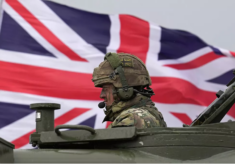
Triggered by the new Gulf war, international arms transfers are increasing, surpassing record highs driven by the conflict in Ukraine and the crisis in the Middle East. The changing character of warfare, represented by Iran’s asymmetric threat and drone attacks against its Arab neighbours, is pushing demand for modern air defence systems, particularly in Gulf states affected by Tehran’s retaliation. Western military equipment continues to have the lion’s share of the Gulf states’ arms imports, due to a long-standing defensive partnership. The UK for instance has announced it was sending its Sky Sabre short-range air defence system to Saudi Arabia in March. The system, comprising a radar, a control node and missile launchers, was to be integrated into Saudi and regional air defences.
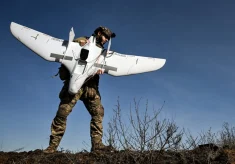
Nevertheless, new producers are entering the lucrative arms market of the Gulf region, where petro-monarchies are looking for strategic autonomy. Most of these states want to diversify weapons supplies away from traditional defence partners, which have proved time and again unable to provide security. The US, for example, has struggles to fully shield its regional partners from Iranian drones and missiles. Furthermore, the unsustainable asymmetry of the conflict with Tehran (which is forcing the use of expensive missiles to counter cheap drones) has quickly depleted the US’ military’s most critical munitions, including advanced air interceptors such as the Patriot and Terminal High Altitude Area Defense (THAAD) systems. This is forcing Washington to consider diverting military aid to other countries such as Ukraine.
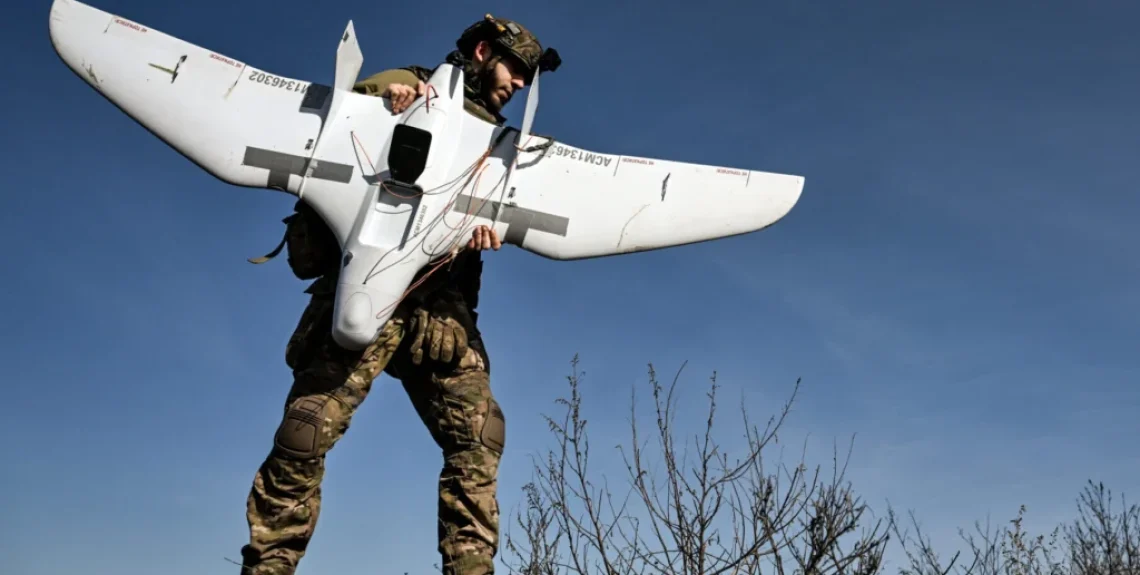
It is no coincidence that Kyiv has been among the most interested parties in bolstering the Gulf’s air defences, for fear of losing the critical support of the US in its defence against Russian aggression. In his visit to Manama on 4-5 May, Ukrainian President Volodymyr Zelensky pitched a drone deal to the Foreign Minister of Bahrain Abdullatif bin Rashid al-Zayani. This follows 10-year defence cooperation agreements signed in March with Qatar, Saudi Arabia and the United Arab Emirates (UAE), after a regional tour that laid the foundations for Ukraine’s inroads in the military procurement of the region. Kyiv has also dispatched more than 200 experts, offering battle-tested systems and extensive know-how in countering Iranian drones often supplied to Moscow.